
U.S. soldier killed during operation in northern Iraq linked to Iranian munitions
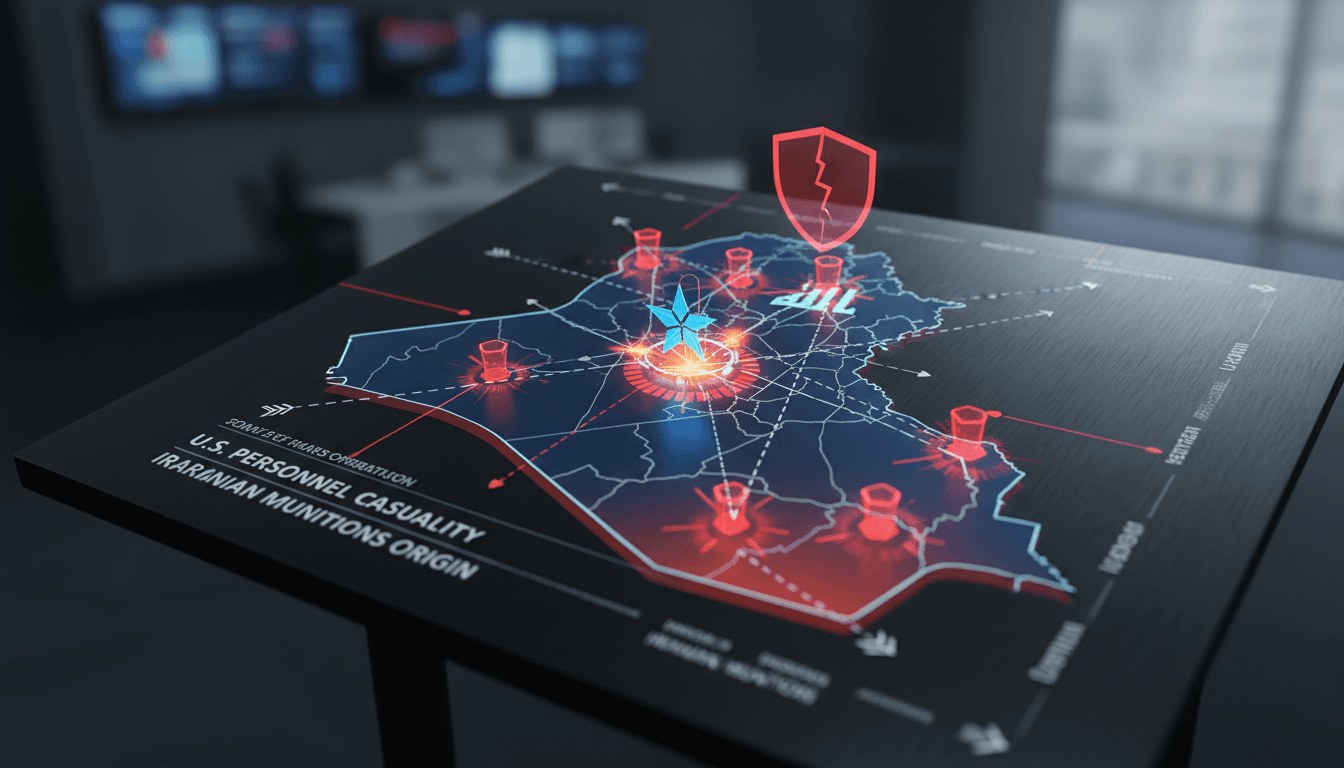
Here's what it means for you.
The death of a U.S. soldier during a controlled detonation in northern Iraq underscores the persistent risks faced by American military personnel in the region. This incident may prompt a reevaluation of U.S. military strategies and operational protocols to enhance the safety of troops. As tensions remain high, the implications for U.S. involvement in Iraq could lead to significant policy shifts.
What happened
On July 18, 2026, a U.S. soldier was killed during an operation involving the detonation of unexploded ordnance in northern Iraq. The incident was confirmed by U.S. Central Command, which highlighted the ongoing dangers associated with military operations in the area. The soldier's death is linked to Iranian-sourced munitions, reflecting the complex security challenges present in the region.
This tragic event serves as a stark reminder of the risks that U.S. forces encounter while engaged in operations aimed at ensuring stability. The controlled detonation was intended to neutralize potential threats, but it ultimately resulted in the loss of life, emphasizing the unpredictable nature of such missions.
The Context
The incident occurs against a backdrop of heightened tensions in Iraq, where Iranian munitions have been a significant concern for U.S. military operations. The presence of these munitions complicates the security landscape, posing risks not only to American forces but also to local populations. The ongoing conflict dynamics necessitate a careful examination of military strategies and operational safety measures.
As the U.S. continues its involvement in Iraq, the implications of this incident may resonate beyond immediate military concerns. Stakeholders, including military leadership and policymakers, will likely assess the effectiveness of current operational protocols in light of this tragedy. The timing of this incident raises questions about the broader implications for U.S. military engagement in the region.
Takeaway
In the wake of this incident, there may be increased scrutiny of U.S. military operations in Iraq, particularly regarding the use of controlled detonations in areas where Iranian munitions are present. Observers should watch for potential changes in military strategy as officials seek to enhance personnel safety and operational effectiveness.
Reactions from Iranian officials regarding the use of their munitions may also emerge, further complicating the geopolitical landscape. As the situation evolves, the U.S. military's approach to operational protocols will be critical in mitigating risks to its personnel.
Pan-Arab news coverage spanning politics, business, sports, and regional affairs.
"Asharq Al-Awsat reflects a broad Arab editorial perspective with strong attention to regional geopolitics."
— A47 Editor
الجيش الأميركي يعلن مقتل أحد جنوده في العراق «بذخائر إيرانية»
The U.S. Central Command announced that an American soldier was killed in northern Iraq during a controlled detonation of unexploded ordnance, reportedly linked to Iranian munitions. This incident occurred on Saturday and highlights ongoing security ...
UAE-based English-language newspaper covering regional politics, economics, and global affairs.
"The National reflects Emirati policy perspectives while maintaining international editorial standards."
— A47 Editor
US soldier killed in northern Iraq
A U.S. soldier was killed in northern Iraq during a controlled detonation of an Iranian drone, marking a significant escalation in the ongoing conflict involving U.S. military forces in the region. This incident is part of a broader pattern of violen...
Arabic-language political and world news coverage for UAE readers.
"Emarat Al Youm world coverage usually presents international developments through a UAE and Arab audience lens."
— A47 Editor
مقتل جندي أميركي في العراق مقتل جندي أميركي في العراق
A U.S. serviceman was killed on Saturday during a controlled detonation of unexploded ordnance in Iraq, according to the U.S. Central Command. This incident highlights the ongoing risks faced by military personnel in conflict zones, particularly in o...