
U.S. and Iran reach preliminary peace agreement to reopen Strait of Hormuz
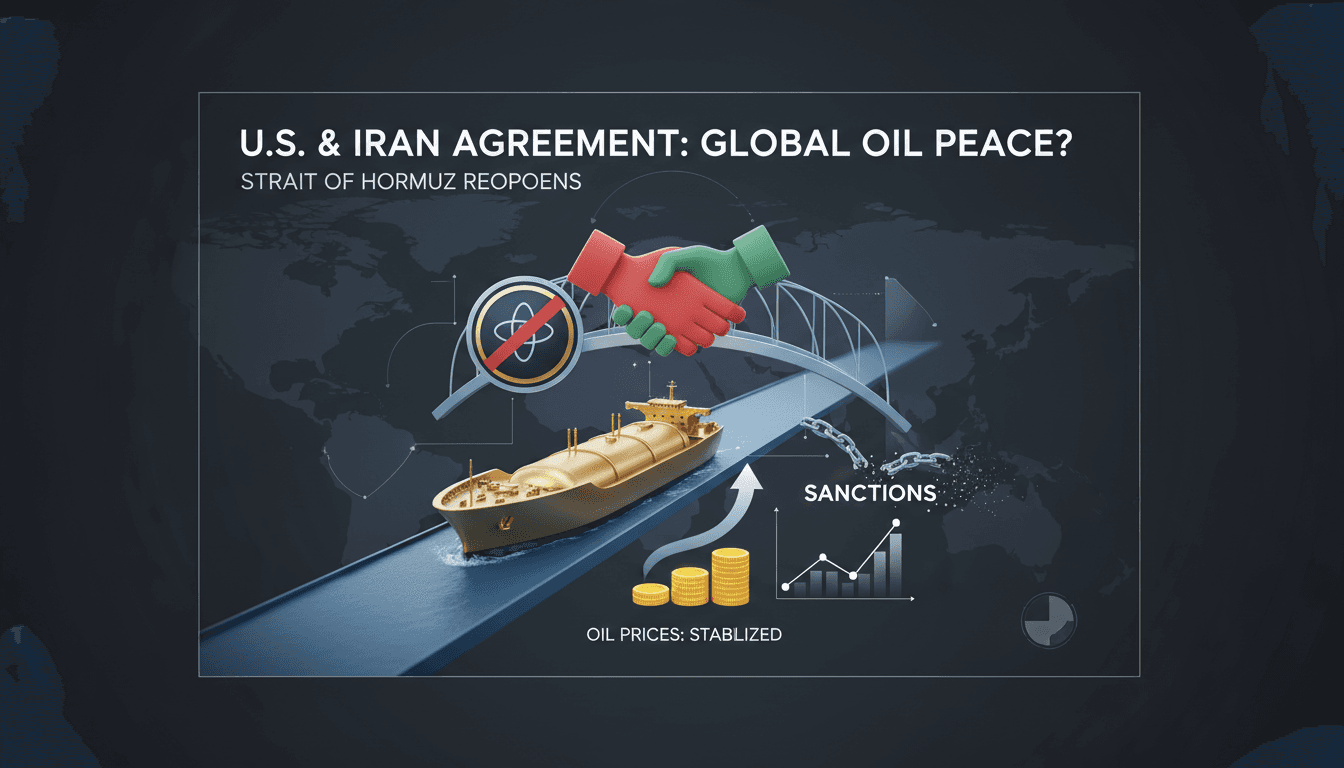
Here's what it means for you.
The preliminary agreement between the U.S. and Iran to reopen the Strait of Hormuz could significantly impact global oil markets and regional stability. If finalized, this deal may lead to a stabilization of oil prices, which have been volatile due to geopolitical tensions. However, skepticism remains regarding the implementation and compliance of the agreement, particularly within U.S. political circles. This development highlights the delicate balance of diplomacy in the region and the potential for economic recovery. Stakeholders will be closely monitoring the upcoming negotiations and the reactions from both the U.S. and Iranian officials.
What happened
The U.S. and Iran have announced a preliminary agreement aimed at reopening the Strait of Hormuz, a critical maritime route for global oil supply. This agreement is expected to be officially signed on June 17, 2026. Central to the deal is Iran's commitment to halt its nuclear weapons program in exchange for a potential easing of U.S. sanctions.
The announcement has generated mixed reactions, with financial markets responding positively while political analysts express doubts about the agreement's long-term viability. The upcoming 60-day nuclear negotiations will be crucial in determining the agreement's success and the future of U.S.-Iran relations.
The Context
The Strait of Hormuz is vital for global oil transportation, making this agreement a significant diplomatic breakthrough. The U.S. President has characterized the deal as a historic success for his administration, while the Pakistani Prime Minister played a mediating role in facilitating the negotiations.
Despite the optimism surrounding the agreement, the political landscape in the U.S. remains cautious. Analysts are concerned about Iran's compliance and the potential for ongoing skepticism to hinder the full realization of the agreement. The timing of the negotiations is critical, as they will unfold in a tense geopolitical environment.
Takeaway
The success of the preliminary agreement could have far-reaching implications for global oil markets and regional stability. Observers will be watching for confirmation from Iranian officials and the reactions from financial markets and political analysts in the U.S.
If the agreement is finalized and adhered to, it may lead to improved relations between the U.S. and Iran, as well as a stabilization of oil prices. However, the uncertainties surrounding its implementation will remain a focal point for stakeholders in the coming weeks.
Pan-Arab political news and analysis.
"Al-Quds Al-Arabi is a London-based Arabic newspaper known for political coverage."
— A47 Editor
اتفاق ترامب مع إيران يثير التكهنات والشكوك في واشنطن رغم انتعاش الأسواق
The announcement of a memorandum of understanding between the United States and Iran, which includes the reopening of the Strait of Hormuz and the initiation of 60-day nuclear negotiations, has sparked a wave of speculation and skepticism within Amer...
Pan-Arab news coverage spanning politics, business, sports, and regional affairs.
"Asharq Al-Awsat reflects a broad Arab editorial perspective with strong attention to regional geopolitics."
— A47 Editor
«شغّلوا المحركات»... ماذا تعني انفراجة «هرمز» للاقتصاد العالمي؟
A renewed sense of hope has emerged for the global economy following U.S. President Donald Trump's announcement of a preliminary peace agreement between Washington and Tehran. This development signals a potential easing of tensions that have long aff...
Arabic-language coverage of political affairs and current events.
"Okaz political coverage typically follows mainstream Saudi framing on national and regional affairs."
— A47 Editor
عاجل | صفقة القرن.. ترمب: مضيق هرمز سيُفتح الجمعة.. والنفط سيتدفق للعالم من جديد
U.S. President Donald Trump announced that a peace agreement between Washington and Tehran is set to be signed on Friday, which will lead to the reopening of the Strait of Hormuz for international maritime navigation. This strategic move is expected ...