
Netanyahu acknowledges limited influence over US Iran policy amid ongoing negotiations
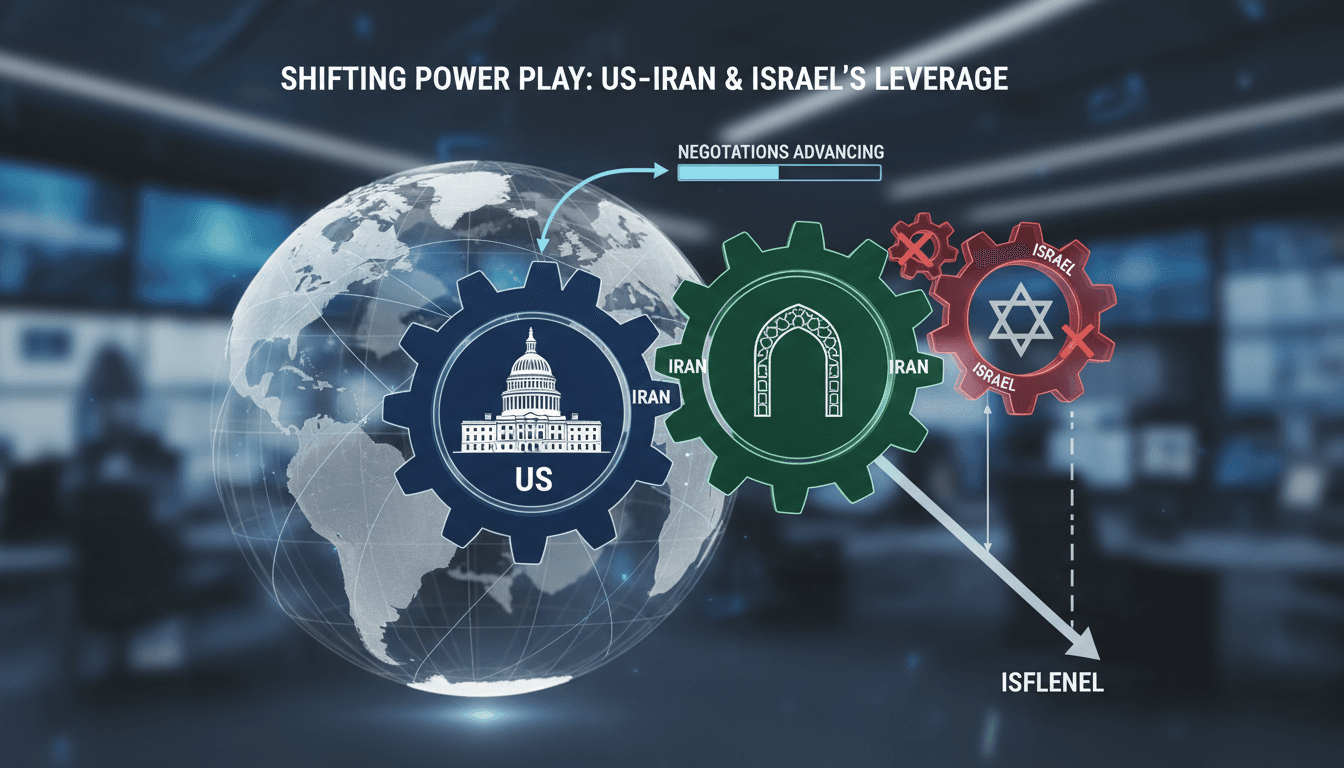
Here's what it means for you.
Israeli Prime Minister Benjamin Netanyahu's admission regarding Israel's limited influence over U.S. President Donald Trump's Iran policy underscores a significant shift in diplomatic dynamics. As negotiations between Washington and Tehran progress, Israel may need to rethink its approach to ensure its security interests are adequately protected. This situation could lead to a recalibration of Israel's foreign policy strategies in the region. The implications of these developments extend beyond Israel, affecting U.S. foreign relations and regional stability. Stakeholders must closely monitor how this evolving landscape influences broader geopolitical interactions.
What happened
Israeli Prime Minister Benjamin Netanyahu has openly acknowledged the challenges Israel faces in influencing U.S. President Donald Trump's decisions regarding Iran. During private discussions, he expressed that Israel lacks significant leverage in this matter, particularly as negotiations between Washington and Tehran are reportedly advancing. This candid admission highlights the complexities of international diplomacy that Israel must navigate.
Netanyahu's comments were made in closed discussions with close associates and have been reported by multiple news sources, including Israeli media. The acknowledgment reflects Israel's growing concerns over the ongoing U.S.-Iran negotiations and their potential impact on regional security.
The Context
Netanyahu's remarks come at a critical juncture as discussions aimed at resolving tensions with Iran continue. Israel's influence on U.S. foreign policy, especially concerning Iran, appears to be waning, raising alarms within the Israeli government. The evolving nature of U.S.-Iran relations poses a significant challenge for Israel, which has historically relied on strong ties with the United States to bolster its security.
As negotiations progress, the stakes are high for Israel, which must balance its security interests with the realities of U.S. foreign policy. The situation is fluid, and the outcomes of these discussions could reshape the geopolitical landscape in the Middle East.
Takeaway
As U.S.-Iran negotiations continue, Israel may need to reassess its diplomatic strategies to safeguard its interests. The potential outcomes of these negotiations could significantly impact Israel's approach to its relationship with the United States and its regional security posture. Observers should watch for Israel's response to the evolving U.S. foreign policy on Iran, as this will likely influence future diplomatic engagements.
The situation remains dynamic, and Israel's ability to influence outcomes may diminish, necessitating a strategic recalibration in its approach to U.S. relations and regional security.
Regional and international reporting focused on Middle Eastern politics, diplomacy, and economics.
"Asharq Al-Awsat is a Saudi-owned international newspaper reflecting mainstream Gulf political perspectives."
— A47 Editor
Netanyahu Acknowledges Difficulty Influencing Trump's Decisions on Iran
Arabic-language political and world news coverage for UAE readers.
"Emarat Al Youm world coverage usually presents international developments through a UAE and Arab audience lens."
— A47 Editor
نتنياهو يقر بصعوبة التأثير على قرارات ترامب بشأن إيران نتنياهو يقر بصعوبة التأثير على قرارات ترامب بشأن إيران
Israeli Prime Minister Benjamin Netanyahu has privately acknowledged to close associates that Israel has limited ability to influence U.S. President Donald Trump's decisions regarding Iran. This admission reflects the challenges Israel faces in shapi...
Pan-Arab political news and analysis.
"Al-Quds Al-Arabi is a London-based Arabic newspaper known for political coverage."
— A47 Editor
نتنياهو مقرا بصعوبة التأثير على ترامب في ملف إيران: لا نملك هامش مناورة
Israeli Prime Minister Benjamin Netanyahu acknowledged in closed discussions the difficulty of influencing U.S. President Donald Trump's stance on Iran, as reported by Channel 13. This admission comes amid ongoing negotiations between Washington and ...