
Meta Integrates Facial Recognition Code into AI App for Future Smart Glasses
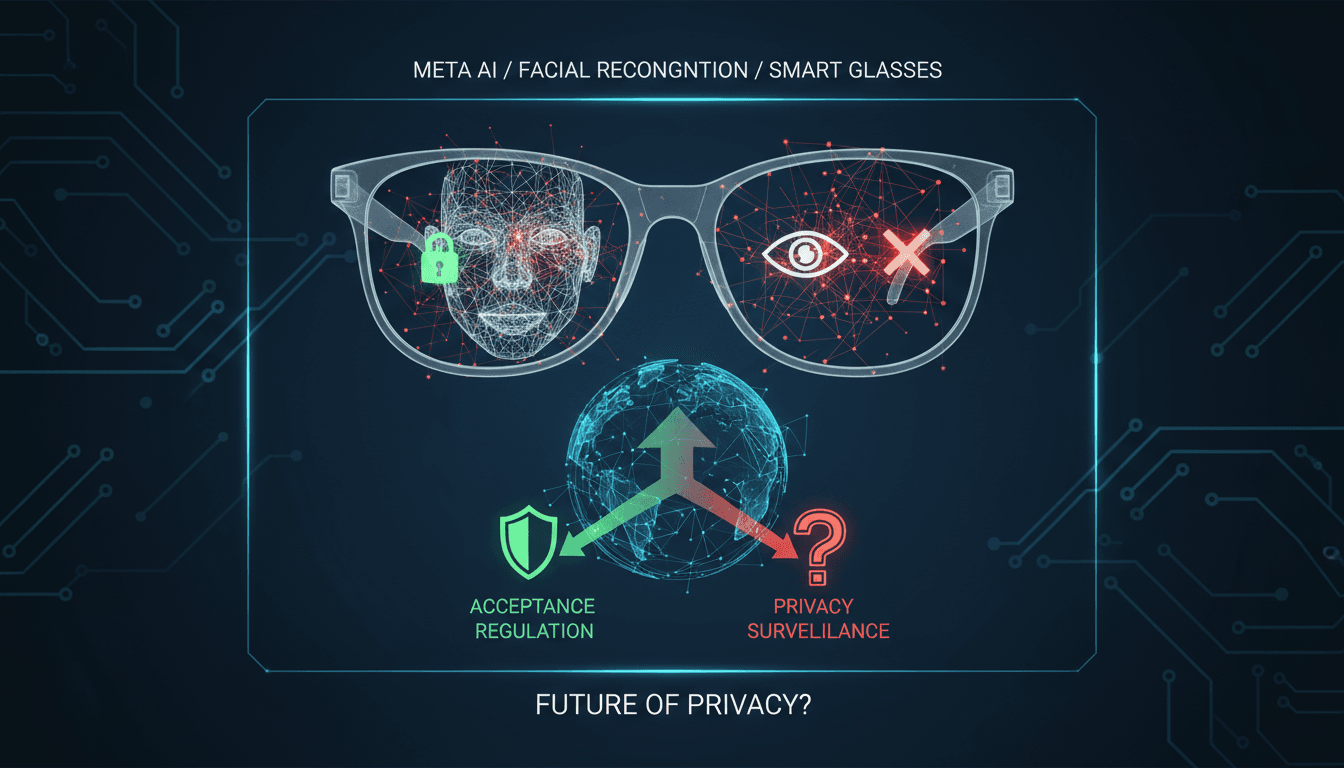
Here's what it means for you.
Meta's integration of facial recognition technology into its AI app signals a significant shift in how consumer devices may interact with personal privacy. As the company prepares for the potential launch of smart glasses, the implications for surveillance and data collection are profound. Stakeholders, including consumers and regulators, will need to navigate the ethical landscape that accompanies such advancements. The ongoing updates to the app highlight the urgency for clear policies and public discourse surrounding facial recognition technology. As this feature remains inactive for now, the conversation around its future activation will likely intensify.
What happened
Meta has recently added facial recognition capabilities to its AI app, which may be utilized in upcoming smart glasses. This feature, known as the "NameTag" system, has not yet been activated but raises significant privacy concerns. The code for this technology has been integrated over multiple updates throughout the year, indicating a strategic move towards enhancing the functionality of Meta's devices.
The discovery of this facial recognition code has sparked alarms regarding potential surveillance capabilities. As the technology evolves, the implications for user privacy and data security are becoming increasingly critical.
The Context
The inclusion of facial recognition technology in consumer devices has been a contentious issue, with privacy advocates raising concerns about surveillance. Meta's decision to incorporate this feature into its AI app reflects broader trends in the tech industry, where companies are exploring advanced capabilities while facing scrutiny from regulators and the public.
As the timeline progresses, the potential activation of this feature will likely prompt discussions about ethical use and regulatory frameworks. The balance between innovation and privacy will be a key focus for Meta as it navigates the future of its smart glasses.
Takeaway
Looking ahead, the future of Meta's smart glasses will depend heavily on public acceptance and regulatory responses to facial recognition technology. As the company continues to develop its devices, the implications for privacy and surveillance will be closely monitored.
Stakeholders should prepare for potential regulatory changes and public backlash as discussions around the ethical use of such technology unfold. The ongoing scrutiny will shape how Meta and similar companies approach the integration of advanced features in consumer products.
Consumer tech news, reviews, and buying guides for gadgets and electronics.
"TechRadar is known for comprehensive buying advice, hardware reviews, and consumer tech news targeted at mainstream audiences."
— A47 Editor
Meta’s smart glasses might soon sport facial recognition — and the code to power this dystopian feature is already present in the Meta AI app on your phone
Meta has integrated facial recognition code into its Meta AI app, potentially enabling its smart glasses to identify individuals through biometric data stored on users' phones. This feature was uncovered during a code review, raising concerns about p...
Latest tech news, product reviews, and analysis for consumers and professionals.
"CNET delivers accessible and detailed technology reporting, including trusted product reviews and how-to guides."
— A47 Editor
Code Reveals Meta Smart Glasses Can Use 'Faceprint' Tracking, Raising Privacy Alarms
Recent code discoveries have revealed that Meta's smart glasses may soon incorporate facial recognition technology, capable of tracking individuals through biometric data stored on users' phones. Although this feature has not yet been activated, its ...
Curated tech headlines including AI stories.
"Influential aggregator surfacing the day’s top tech/AI links."
— A47 Editor
Analysis: Meta discreetly added code for an unreleased "NameTag" face-recognition system for its AI glasses over multiple updates to the Meta AI app this year (Wired)
Meta has discreetly integrated code for an unreleased face-recognition system, dubbed 'NameTag', into its AI glasses platform through multiple updates to the Meta AI app this year. This feature, capable of identifying individuals using biometric data...