
2026 FIFA World Cup group stage underway with expanded format and new qualification rules
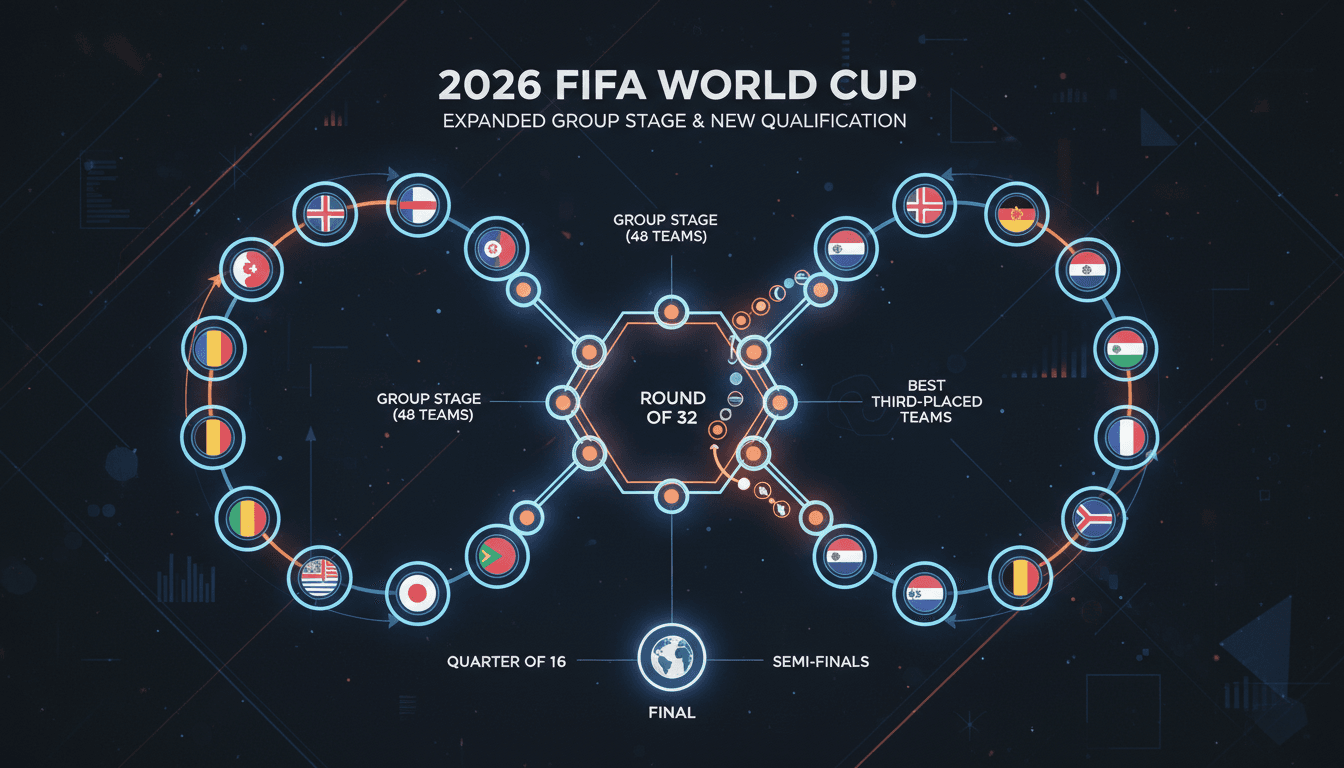
Here's what it means for you.
The 2026 FIFA World Cup is a pivotal moment in sports, showcasing an expanded format that could reshape future tournaments. With 48 teams competing, the new qualification system introduces a dynamic element that may enhance viewer engagement and competitiveness. Stakeholders, including fans and officials, will closely monitor the effectiveness of these changes as the tournament progresses. As teams navigate the complexities of the group stage, the implications of this format shift will resonate beyond the current event, potentially influencing how future World Cups are structured.
What happened
The 2026 FIFA World Cup has officially commenced, with the group stage currently in full swing. This tournament marks a significant expansion from the traditional 32 teams to 48, generating excitement among fans and players alike. Ongoing matches are not only thrilling but also serve as a testing ground for the newly implemented qualification rules.
These rules allow for eight of the best third-placed teams to advance, adding layers of strategy and anticipation to the competition. As teams vie for advancement, discussions surrounding the format's impact on the level of competition continue to unfold.
The Context
This year's World Cup is historic, as it is the first time the tournament has expanded to include 48 teams. The new qualification system aims to enhance the competitive landscape by allowing more teams a chance to progress beyond the group stage. However, opinions are mixed regarding whether this expansion will lead to a more exciting tournament or dilute the quality of play.
The timing of this change is crucial, as it coincides with a growing demand for inclusivity in global sports. As the tournament unfolds, the reactions from fans, players, and officials will shape the narrative surrounding the effectiveness of this new format.
Takeaway
As the group stage progresses, the focus will shift to the knockout rounds, where the impact of the new qualification rules will become more pronounced. Fans and analysts alike will be keen to evaluate how well the expanded format performs in terms of competitiveness and excitement. The ongoing matches will provide valuable insights into the future of World Cup tournaments.
The effectiveness of this new structure will be scrutinized, potentially influencing FIFA's decisions for future events. Observers will be eager to see if the excitement generated by this year's format leads to lasting changes in how international football competitions are organized.
Pan-Arab political news and analysis.
"Al-Quds Al-Arabi is a London-based Arabic newspaper known for political coverage."
— A47 Editor
مونديال 2026: نظام الـ48 منتخبا لا يزال يثير الجدل
The 2026 FIFA World Cup has expanded to include 48 teams, a change that has sparked ongoing debate regarding its impact on the tournament's competitiveness and excitement. As the group stage concludes, discussions continue about the effectiveness of ...
Arabic-language coverage of international news and geopolitics.
"RT Arabic is a Russian state-funded outlet often criticized for promoting Kremlin-aligned narratives."
— A47 Editor
نبض اليوم الـ16 يشعل مونديال 2026.. حسابات معقدة وأحلام معلقة
The 2026 FIFA World Cup enters its 16th day amidst intense competition as the group stage concludes for groups 7 and 8, with complex calculations and open rivalries leading up to the final whistle.