
U.S. and Iran sign interim agreement ending hostilities leading to stock market rally
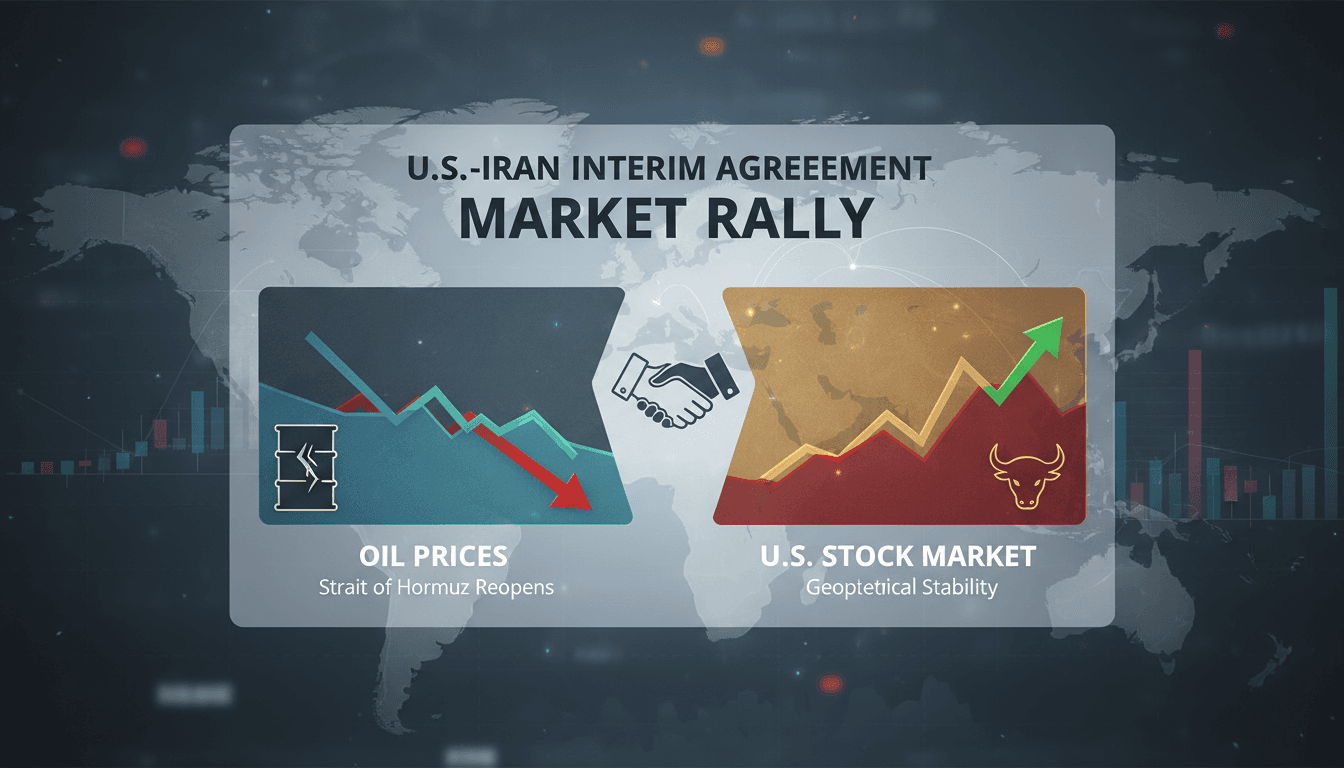
Here's what it means for you.
The recent interim agreement between the U.S. and Iran marks a pivotal moment for global markets, particularly in the energy sector. With oil prices dropping to pre-war levels, consumers may see relief at the pump as gasoline prices fall below $4. This development could enhance market sentiment and encourage investment, although the looming threat of rising interest rates from the Federal Reserve remains a concern for investors. As geopolitical stability improves, the potential for sustained economic growth increases, but stakeholders should remain vigilant regarding monetary policy shifts. The resolution of hostilities may also foster a more favorable environment for international trade and investment.
What happened
U.S. and Iranian leaders signed an interim agreement to end the ongoing war, resulting in a significant drop in oil prices and a rally in U.S. stocks. The announcement led to a notable increase in major stock indices, including the Dow and S&P 500, which rose by over 0.5%. This agreement also allows for the reopening of the Strait of Hormuz, a critical shipping route that plays a vital role in global oil transportation.
As a direct consequence of the agreement, gasoline prices have fallen below $4, indicating a potential easing of inflationary pressures in the energy sector. The market's positive response reflects a broader sentiment of relief and optimism regarding geopolitical stability.
The Context
The agreement comes after four months of conflict between the U.S. and Iran, which had significant implications for global oil markets and economic stability. The Strait of Hormuz is a crucial passage for oil shipments, and its reopening is expected to alleviate some of the supply chain pressures that have contributed to rising energy prices.
While the immediate effects are positive, the Federal Reserve's inflation forecast and interest rate projections continue to influence market dynamics. Investors are closely monitoring these developments, as any shifts in monetary policy could impact the overall economic landscape.
Takeaway
Looking ahead, the resolution of the conflict may stabilize oil prices and positively impact global markets in the near term. However, investors should remain cautious of potential interest rate hikes from the Federal Reserve, which could dampen growth and market enthusiasm.
It will be essential to monitor the Federal Reserve's next moves regarding interest rates and any further developments in U.S.-Iran relations, as these factors will significantly influence market conditions and investor sentiment.
Macro commentary, policy analysis, growth/inflation themes, and global outlooks.
"Contextual macro coverage that complements day-to-day market headlines."
— A47 Editor
Trading Day: Stocks rally, oil hits pre-Iran-war lows as Strait of Hormuz reopens for business
Global stock markets rallied as optimism surged following the reopening of the Strait of Hormuz, a vital maritime route for oil shipments, which had been impacted by tensions between the U.S. and Iran. This development comes after a peace agreement w...
Regional coverage and analysis focused on politics, diplomacy, and business across the Middle East.
"Al-Monitor is known for analytical reporting on Middle East politics and policy developments."
— A47 Editor
Oil falls further on Mideast deal, but Fed outlook knocks equities
Oil prices fell further following the signing of a peace deal between U.S. President Donald Trump and Iranian President Masoud Pezeshkian, aimed at ending months of conflict and reopening the strategically vital Strait of Hormuz. This agreement has l...
Markets desk coverage, trading insights, and investor updates.
"WSJ’s markets reporting provides in-depth analysis and context for investors."
— A47 Editor
Stock Market Today: U.S. Stocks Close Week on a Strong Note
U.S. stocks closed the week on a strong note, buoyed by a significant decline in gasoline prices, which have fallen below $4 per gallon. This drop follows the signing of an interim peace deal between the U.S. and Iran, aimed at reducing hostilities a...