
US and Iran reach preliminary agreement to cease hostilities and reopen Strait of Hormuz
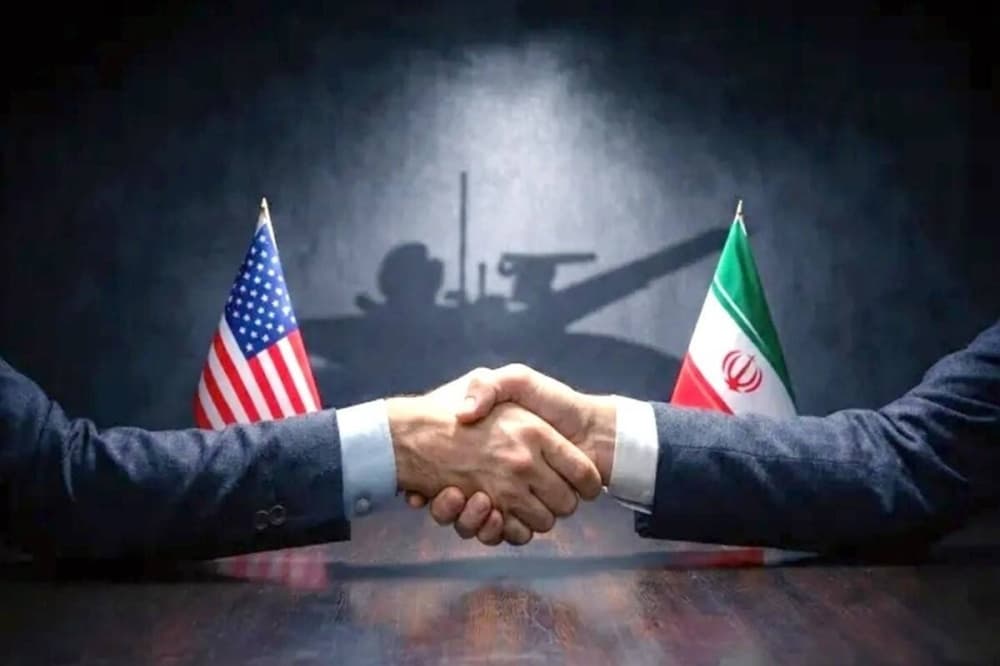
Here's what it means for you.
The preliminary agreement between the U.S. and Iran signals a potential shift in geopolitical dynamics, particularly in the Middle East. For businesses and policymakers, this could mean a more stable environment for trade and investment, especially in energy markets. The commitment to cease hostilities and engage in nuclear negotiations may also influence diplomatic relations with other regional players. As the agreement unfolds, stakeholders will need to monitor the implications for sanctions and economic rehabilitation efforts in Iran. The outcome of this agreement could reshape the landscape of U.S.-Iran relations and broader regional stability.
What happened
The United States and Iran have published a draft agreement aimed at ceasing hostilities and initiating nuclear negotiations. This significant development includes provisions for economic support, with the U.S. committing to a $300 billion fund for Iran's economic rehabilitation. The agreement also outlines a 60-day negotiation period to finalize the terms.
In addition to halting military actions, the agreement includes a commitment from Iran not to produce nuclear weapons. The U.S. will provide relief from maritime sanctions and facilitate the return of frozen assets, which could enhance Iran's economic situation.
The Context
This agreement emerges from a backdrop of ongoing tensions between the U.S. and Iran, particularly concerning military actions in regions like Lebanon. The commitment to nuclear discussions reflects a mutual desire to stabilize relations and address long-standing issues. The timing of this agreement is crucial, as it could influence the geopolitical landscape in the Middle East.
The U.S. and Iran are both key players in regional politics, and their cooperation could have far-reaching implications. The agreement's success hinges on compliance from both sides and the ability to address underlying tensions that have historically plagued their relationship.
Takeaway
The preliminary agreement could pave the way for a new era of diplomatic relations between the U.S. and Iran, but challenges remain. Observers should watch the upcoming 60-day negotiation period closely, as it will determine the final terms of the agreement. Additionally, reactions from regional allies and adversaries will be critical in assessing the broader impact of this development.
If successful, this agreement could significantly alter the dynamics of U.S.-Iran relations and enhance regional stability. However, ensuring compliance and addressing historical grievances will be essential for long-term success.
Pan-Arab news coverage spanning politics, business, sports, and regional affairs.
"Asharq Al-Awsat reflects a broad Arab editorial perspective with strong attention to regional geopolitics."
— A47 Editor
نص مذكرة إسلام آباد… 14 بنداً تؤسس لمرحلة ما بعد الحرب بين واشنطن وطهران
The United States published the text of a temporary agreement with Iran on Wednesday, aimed at halting hostilities between the two nations and reopening the Strait of Hormuz. The agreement outlines a broad understanding between both parties, consisti...
Coverage of political affairs and regional developments from a Saudi perspective.
"Al Watan political coverage typically follows a mainstream Saudi framing of regional and national issues."
— A47 Editor
بنود مسودة التفاهم الأمريكي الإيراني المرتقب
Bloomberg has published a near-final draft of a memorandum of understanding between the United States and Iran, which aims to end the war immediately and permanently across all fronts, including Lebanon. The draft outlines a 60-day negotiation period...
Arabic-language coverage of international news and geopolitics.
"RT Arabic is a Russian state-funded outlet often criticized for promoting Kremlin-aligned narratives."
— A47 Editor
مسؤول أمريكي كبير ينشر النص الكامل للاتفاق بين الولايات المتحدة وإيران
A senior U.S. official revealed to The New York Times the full text of an agreement between the United States and Iran aimed at halting hostilities, reopening the Strait of Hormuz, and initiating discussions regarding the nuclear issue.