
U.S. and Iran tensions escalate as diplomatic talks falter
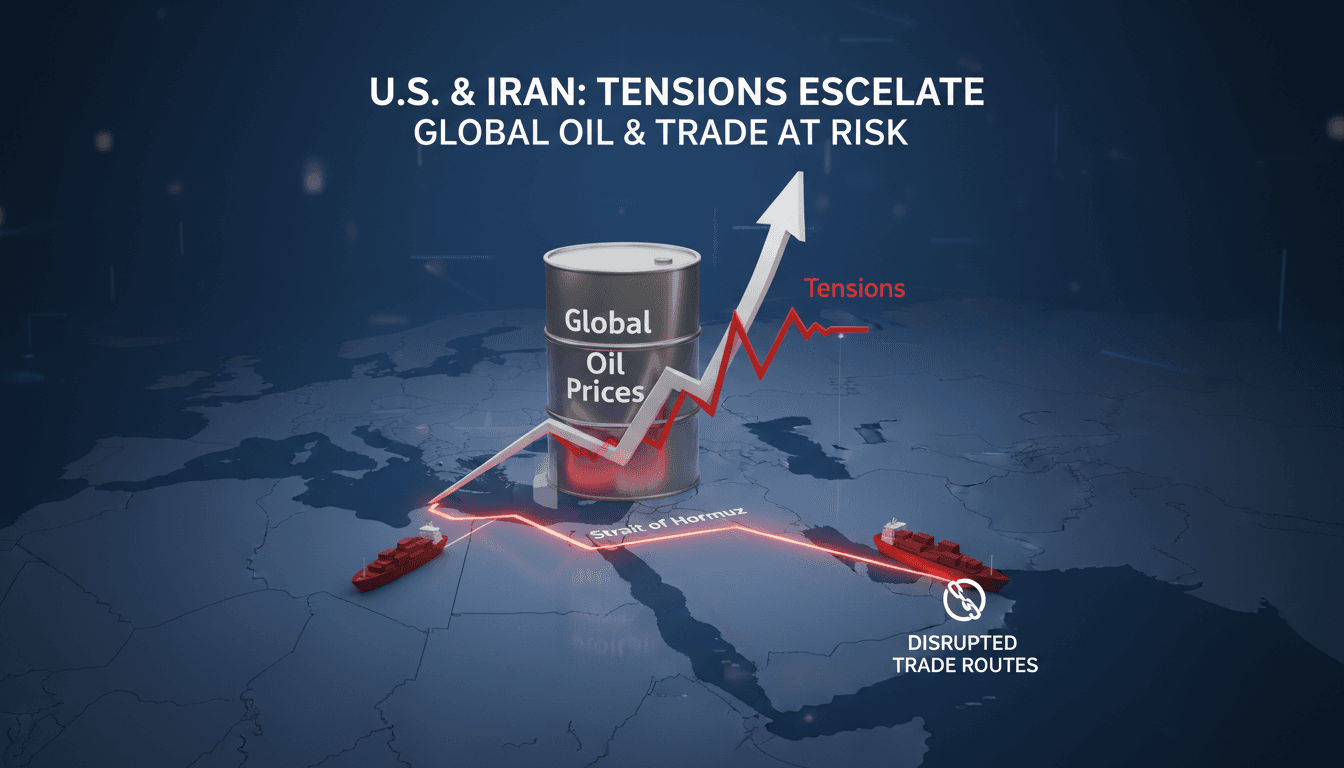
Here's what it means for you.
The stalling of diplomatic negotiations between the U.S. and Iran raises significant concerns for global markets, particularly in the oil sector. The potential for military action and economic sanctions could disrupt trade routes and elevate oil prices. Stakeholders in energy markets should prepare for volatility as the situation develops, while policymakers must consider the broader implications for regional stability. As tensions rise, businesses operating in or reliant on Middle Eastern markets may face increased risks. The outcome of these negotiations will be crucial in determining the future landscape of U.S.-Iran relations and its impact on international trade.
What happened
Tensions between the U.S. and Iran are escalating as diplomatic talks appear to be failing. President Trump has warned that the U.S. may impose tolls on the Strait of Hormuz if negotiations do not yield a peace deal. Senator Lindsey Graham has echoed this sentiment, predicting that military action could follow if Iran contests U.S. control over the strait.
The Strait of Hormuz is a critical waterway for global oil transport, making the stakes particularly high. Iran has threatened to shut down the strait, further heightening tensions and uncertainty in the region.
The Context
The ongoing negotiations are pivotal, as the Strait of Hormuz serves as a vital shipping route for oil, with a significant percentage of the world's oil supply passing through it. The U.S. has proposed a memorandum of understanding regarding tolls during a ceasefire period, which is currently set for 60 days. This interim period is crucial, as it may determine whether further military or economic actions will be taken.
Iran's threats to shut down the strait underscore the potential for conflict, which could have far-reaching implications for global oil markets and regional stability. The situation is precarious, with both sides preparing for possible escalations.
Takeaway
The outlook remains uncertain as both diplomatic and military options are on the table. Continued monitoring of ongoing negotiations with Iran will be essential in the coming weeks. The potential for military conflict or economic sanctions looms large if diplomatic efforts collapse, making it critical for stakeholders to stay informed.
As developments unfold, the focus will be on the outcome of these negotiations and any subsequent military actions by the U.S. in response to Iranian threats. The situation demands close attention from policymakers and market participants alike.
Capitol Hill news, legislation, and policy insight.
"The Hill specializes in U.S. politics and policy, with a focus on Capitol Hill developments and a reputation for insider reporting."
— A47 Editor
Graham: Trump will 'obliterate' Iran if it contests US control of Strait of Hormuz
Senator Lindsey Graham has warned that President Trump may resort to military action to take control of the Strait of Hormuz from Iran if diplomatic negotiations fail to yield a long-term peace agreement. Graham's comments highlight the escalating te...
Conservative-leaning political and national coverage.
"The Washington Times is a conservative-leaning newspaper known for its political coverage and advocacy of right-of-center viewpoints."
— A47 Editor
Sen. Lindsey Graham predicts diplomatic talks with Iran will fail
Senator Lindsey Graham has predicted that diplomatic talks with Iran regarding its nuclear program and the security of the Strait of Hormuz will ultimately fail. This statement comes amid ongoing negotiations that have faced significant challenges, i...
Comprehensive coverage of Middle Eastern and global issues.
"Al Jazeera is a prominent voice from the Global South, especially the Middle East, with an emphasis on underreported stories."
— A47 Editor
Trump vows Iran will not charge Strait of Hormuz tolls, but says US might
President Donald Trump announced a memorandum of understanding with Iran, stating that Iran will not charge tolls for vessels passing through the Strait of Hormuz for an initial period of 60 days. However, Trump indicated that the U.S. might impose t...
Global news coverage with extensive reporting on Middle Eastern conflicts and geopolitics.
"Al Jazeera is a Qatar-based broadcaster known for wide regional coverage and alternative perspectives."
— A47 Editor
Trump vows Iran will not charge Strait of Hormuz tolls, but says US might
President Donald Trump announced a memorandum of understanding with Iran, stating that Iran will not charge tolls for vessels passing through the Strait of Hormuz for an initial period of 60 days. However, Trump indicated that the U.S. might impose t...
English-language news from Qatar covering domestic and regional affairs.
"Gulf Times reflects Qatari perspectives on regional developments."
— A47 Editor
Trump threatens US tolls on Hormuz strait if Iran talks fail
President Donald Trump has issued a warning that the United States may impose tolls on the Strait of Hormuz if negotiations with Iran do not yield a satisfactory peace deal. This statement highlights the ongoing tensions surrounding the vital waterwa...
Regional coverage and analysis focused on politics, diplomacy, and business across the Middle East.
"Al-Monitor is known for analytical reporting on Middle East politics and policy developments."
— A47 Editor
Trump says no toll on Strait of Hormuz unless US imposes one
U.S. President Donald Trump announced that no toll will be charged for passage through the Strait of Hormuz during or after a 60-day interim ceasefire with Iran, unless the U.S. decides to impose one if peace talks fail. This statement comes amid ong...
Business, investment, entrepreneurship, leadership, and innovation.
"Forbes is known for its coverage of business leaders, market trends, and entrepreneurial ventures with a pro-business editorial stance."
— A47 Editor
Trump Says U.S. May Impose Tolls In Strait Of Hormuz If Peace Deal Fails
Tensions between the U.S. and Iran escalated over the weekend as Iran announced the closure of the Strait of Hormuz, a critical maritime route for global oil shipments. President Trump indicated that the U.S. may impose tolls in the strait if peace n...