
Concerns Raised Over Lack of Security Vetting for UK Trade Envoy Appointment
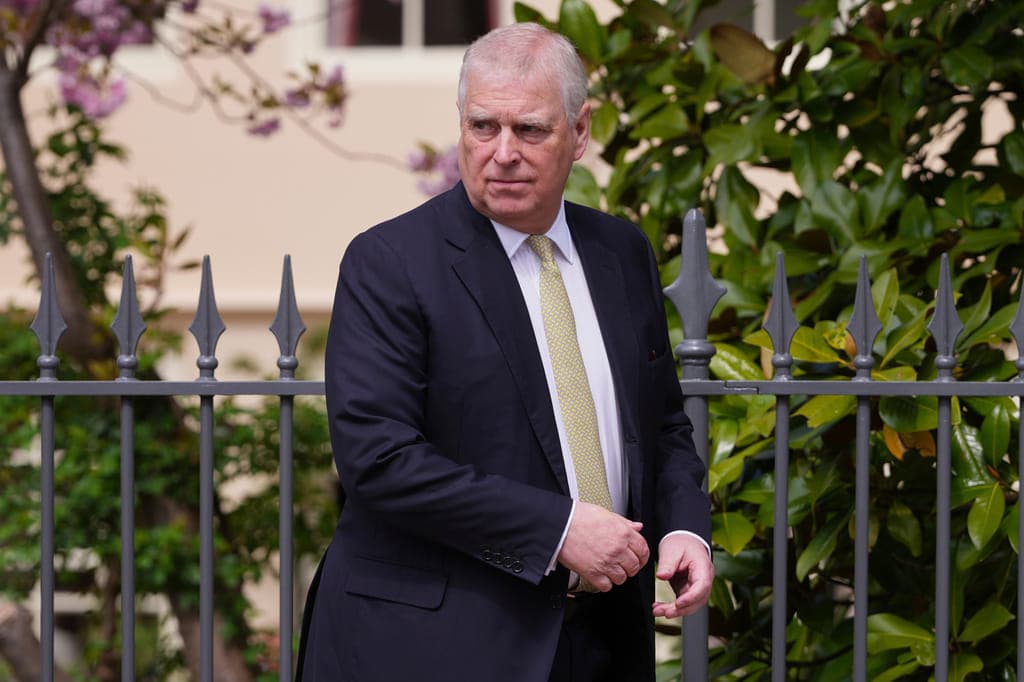
Here's what it means for you.
The recent revelations regarding Andrew Mountbatten-Windsor's appointment as a UK trade envoy without formal security vetting raise significant questions about the integrity of public appointment processes. This incident may prompt a reevaluation of the standards and practices surrounding vetting for public figures, particularly those with royal connections. As scrutiny intensifies, stakeholders may advocate for reforms aimed at enhancing transparency and accountability in government roles.
What happened
Documents released as part of a government transparency initiative reveal that Andrew Mountbatten-Windsor was appointed as a UK trade envoy in 2001 without undergoing formal security vetting. This appointment followed strong encouragement from Queen Elizabeth II, who expressed her desire for her son to take on the role. The lack of due diligence in this process has raised concerns among the public and policymakers alike.
The appointment was made by then-Prime Minister Tony Blair, marking a significant moment in the intersection of royal influence and public service. The absence of a thorough vetting process has led to discussions about the adequacy of existing protocols for public appointments.
The Context
Queen Elizabeth II's strong support for Andrew's appointment highlights the potential influence of the monarchy in governmental roles. The timeline of events, particularly the memo from February 2000 expressing her wishes, underscores the royal family's involvement in public service decisions. This situation has sparked a broader conversation about the standards expected for public appointments and the implications of royal endorsements.
As the UK government faces increasing scrutiny over its appointment processes, this incident may serve as a catalyst for change. Stakeholders are likely to call for reforms that ensure rigorous vetting procedures are in place for all public figures, regardless of their background.
Takeaway
The revelations surrounding Andrew Mountbatten-Windsor's appointment may lead to inquiries into the vetting processes for public appointments in the UK. As discussions unfold, there could be significant implications for the royal family's involvement in government roles and the expectations placed on public figures. This incident may prompt a reevaluation of the balance between royal influence and the need for transparency in public service.
As the government responds to these concerns, stakeholders will be watching closely for potential reforms aimed at enhancing the integrity of the appointment process. The outcome of this scrutiny could reshape the landscape of public appointments in the UK.
United Kingdom-focused news including local politics, business, and social issues.
"BBC News is widely regarded as a reputable international news organization, known for its impartial tone and public service mandate."
— A47 Editor
What have we learnt from the release of Andrew's trade envoy files?
Newly released files indicate that Queen Elizabeth II was strongly supportive of her son, Andrew Mountbatten-Windsor, becoming a trade envoy in 2000, reflecting her desire for him to promote British interests abroad.
Top international stories selected by The Guardian editors.
"The Guardian is known for its progressive editorial stance and in-depth analysis."
— A47 Editor
No evidence of formal security vetting when Andrew became UK trade envoy, minister says
Recent government disclosures indicate that no formal security vetting was conducted prior to Andrew Mountbatten-Windsor's appointment as a UK trade envoy in 2001, despite the late Queen Elizabeth II's strong support for his role in promoting British...
UK and international business news, economics, and corporate coverage.
"The Guardian’s business section covers finance and markets with a progressive editorial tone."
— A47 Editor
No evidence of formal security vetting when Andrew became UK trade envoy, minister says
Recent government disclosures indicate that no formal security vetting was conducted prior to Andrew Mountbatten-Windsor's appointment as a UK trade envoy in 2001, despite the late Queen Elizabeth II's strong support for his role in promoting British...
Business, investment, entrepreneurship, leadership, and innovation.
"Forbes is known for its coverage of business leaders, market trends, and entrepreneurial ventures with a pro-business editorial stance."
— A47 Editor
Queen Elizabeth Pushed For Son Andrew To Become Trade Envoy, Letter Shows
Recent revelations indicate that Andrew Mountbatten-Windsor was appointed as the U.K. trade envoy in 2001 without undergoing any formal security vetting, largely due to the advocacy of his mother, Queen Elizabeth II.
Global coverage of politics, crises, and international affairs.
"HuffPost provides progressive-oriented reporting on international developments, often focusing on humanitarian and social justice issues."
— A47 Editor
Documents Show Queen Elizabeth Was 'Very Keen' For Ex-Prince Andrew To Become Trade Envoy
Newly released documents reveal that Queen Elizabeth II was eager for her son, Andrew Mountbatten-Windsor, to take on the role of trade envoy, a position aimed at enhancing British trade interests. This desire reflects her support for his potential c...
A curated Gulf News feed featuring major stories across news, business, opinion, and lifestyle.
"Gulf News is a major UAE newspaper whose featured stories feed reflects a broad editorial mix shaped for a Gulf audience."
— A47 Editor
Late queen pushed for son Andrew to be UK trade envoy: Official papers
Official documents reveal that the late queen advocated for her son, Andrew, to be appointed as the UK's trade envoy. This push highlights the royal family's involvement in governmental roles and trade relations.
UAE-based newspaper covering Gulf politics, society, and international developments.
"Gulf News is one of the UAE’s most prominent English-language publications."
— A47 Editor
Late queen pushed for son Andrew to be UK trade envoy: Official papers
Official documents reveal that the late queen advocated for her son, Andrew, to be appointed as the UK's trade envoy. This push highlights the royal family's involvement in governmental roles and trade relations.