
U.S. and Iran agree to one-week de-escalation in Strait of Hormuz
Here's what it means for you.
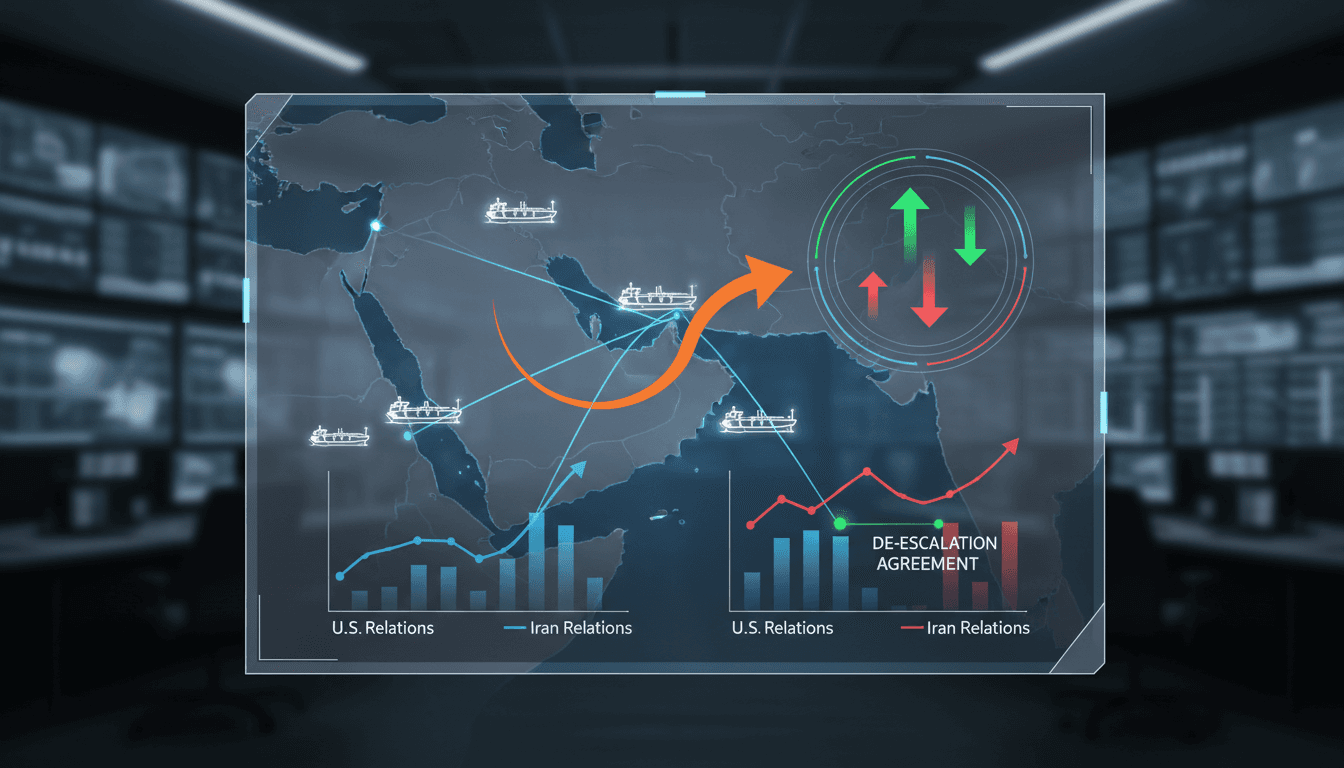
The recent agreement between the U.S. and Iran to de-escalate tensions in the Strait of Hormuz is a pivotal moment for regional stability. This temporary measure could facilitate further negotiations, impacting shipping routes and international trade. Stakeholders in the energy sector should monitor developments closely, as the Strait is a critical passage for oil shipments. The one-week de-escalation may also influence U.S. foreign policy and its approach to Iran, potentially reshaping diplomatic relations in the region. As the situation evolves, the outcomes of ongoing talks will be crucial for future peace efforts.
What happened
The U.S. and Iran have reached a one-week de-escalation agreement in the Strait of Hormuz, confirmed by a U.S. official on July 1, 2026. This agreement coincides with ongoing technical talks in Doha, which aim to secure a lasting peace deal and ensure the flow of shipping through this strategic waterway. The de-escalation is seen as a critical step in reducing immediate tensions between the two nations.
This agreement comes amid heightened military flare-ups and airstrikes in the region. President Trump has indicated that negotiations to settle the ongoing conflict with Iran are progressing, despite recent hostilities. The focus of the technical discussions in Doha includes establishing a ceasefire and securing vital shipping routes.
The Context
Tensions in the Strait of Hormuz have been a significant concern due to military confrontations and the strategic importance of this maritime corridor. The Strait serves as a crucial passage for a substantial portion of the world's oil supply, making stability in the region essential for global markets. The timing of this agreement, coinciding with Fourth of July celebrations, underscores the urgency of reducing tensions.
The stakeholders involved include the U.S. government, Iranian officials, and regional allies who are closely monitoring the situation. The ongoing technical talks in Doha are pivotal, as they aim to address both immediate security concerns and long-term diplomatic relations. The success of these discussions will be vital in determining the future trajectory of U.S.-Iran relations.
Takeaway
The temporary de-escalation agreement may pave the way for more comprehensive peace talks between the U.S. and Iran. Observers should watch for the outcomes of the technical discussions in Doha, particularly regarding shipping and ceasefire arrangements. The reactions from regional allies and adversaries will also be critical in shaping the next steps for both nations.
As the situation in the Strait of Hormuz remains delicate, the effectiveness of this one-week de-escalation will be crucial in determining future relations between the U.S. and Iran. The international community will be keenly interested in how these developments unfold and their implications for regional stability.
Breaking news, politics, business, and entertainment from the U.S. and around the world.
"The New York Post is a tabloid-format newspaper known for its sensationalist headlines and conservative-leaning editorial tone."
— A47 Editor
US, Iran agree to one-week de-escalation in Strait of Hormuz ahead of America 250 celebrations
The United States and Iran have agreed to a one-week de-escalation in the Strait of Hormuz, as confirmed by a U.S. official. This agreement comes ahead of the Fourth of July celebrations, aiming to reduce tensions that have escalated in recent weeks ...
Conservative-leaning political and national coverage.
"The Washington Times is a conservative-leaning newspaper known for its political coverage and advocacy of right-of-center viewpoints."
— A47 Editor
Trump says U.S. and Iran are getting along well despite military flare-up near Strait of Hormuz
President Trump stated that negotiations to resolve the ongoing conflict with Iran are progressing positively, despite recent military exchanges near the Strait of Hormuz. He emphasized that attempts to settle the Iran war are 'moving along well' eve...
Regional coverage and analysis focused on politics, diplomacy, and business across the Middle East.
"Al-Monitor is known for analytical reporting on Middle East politics and policy developments."
— A47 Editor
US and Iran enter technical talks to secure peace deal, restart shipping
The United States and Iran engaged in technical talks in Doha on July 1, aiming to establish a framework for shipping through the Strait of Hormuz and to secure a lasting ceasefire. This development follows a series of military exchanges that have he...
UAE-based English-language newspaper covering regional politics, economics, and global affairs.
"The National reflects Emirati policy perspectives while maintaining international editorial standards."
— A47 Editor
Iran war latest: Witkoff and Kushner in Doha but will not meet Iranian officials, Qataris say
Witkoff and Kushner are currently in Doha, Qatar, but have been reported to not meet with Iranian officials, as confirmed by Qatari sources. This development occurs amid heightened tensions in the Gulf region, particularly surrounding the Strait of H...