
Colombia holds pivotal presidential election amid rising political violence
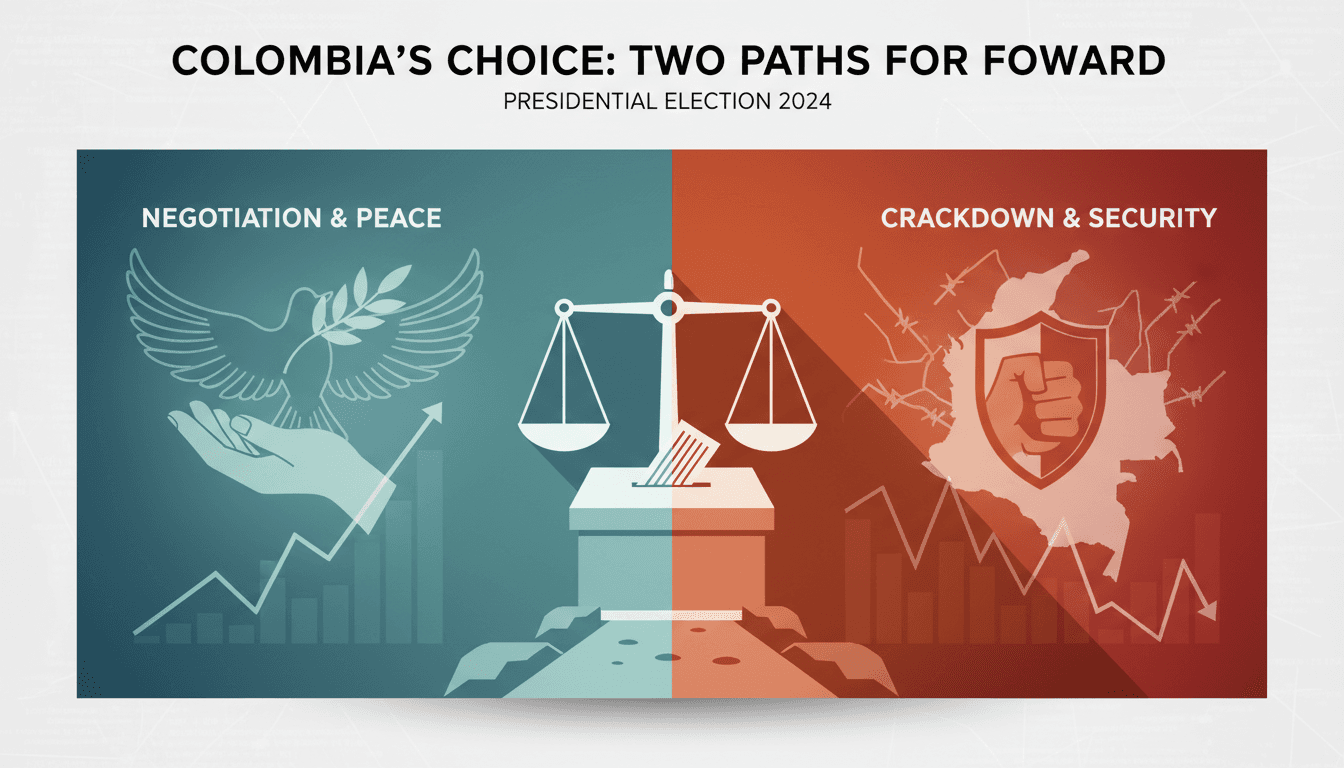
Here's what it means for you.
The Colombian presidential election is a critical juncture for the nation, as it reflects deep divisions over the future of peace and security policies. With rising political violence, the outcome will influence not only domestic stability but also international relations. Stakeholders, including investors and policymakers, will closely monitor the election results to gauge the potential for continued peace negotiations or a shift towards militarized responses.
What happened
Colombia held its presidential election amid a backdrop of increasing political violence and contrasting visions for peace. This election serves as a referendum on the policies of outgoing President Gustavo Petro, particularly his leftist approach to armed groups. Voters faced a choice between left-wing candidate Ivan Cepeda, who advocates for ongoing peace negotiations, and right-wing candidates who favor tougher measures against guerrilla groups.
The election marks a significant moment, occurring ten years after the historic peace agreement with Farc, which aimed to end decades of conflict. As citizens cast their votes, the implications of their choices will resonate throughout the country and beyond.
The Context
The election is pivotal as it comes at a time when Colombia grapples with the resurgence of political violence, impacting the electoral process and the safety of voters. Ivan Cepeda leads in the polls, promoting a continuation of peace efforts, while opposition candidates like Abelardo de la Espriella and Paloma Valencia advocate for a more aggressive stance against armed groups. This stark contrast highlights the differing approaches to Colombia's long-standing issues with guerrilla warfare.
The outcome of this election will shape Colombia's future trajectory regarding security and governance. With the legacy of armed conflict still fresh in the minds of voters, the decision made at the polls will have lasting effects on the nation's peace and stability.
Takeaway
As the election results unfold, the potential for either a continuation of peace efforts or a shift towards militarized responses to conflict will be closely scrutinized. The implications of the elected candidate's policies will extend beyond Colombia, influencing international relations and regional stability. Observers will be particularly attentive to how the new administration addresses the challenges posed by armed groups and political violence.
The election's outcome could redefine Colombia's approach to peace and security in the coming years, making it essential for stakeholders to monitor developments closely.
24/7 international news from a French perspective in multiple languages.
"France 24 is viewed as a globally focused outlet with balanced coverage and a European perspective."
— A47 Editor
How to handle armed groups? Colombians vote in presidential election
Colombians are heading to the polls Sunday. With current president Gustavo Petro stepping down, the search for his successor is seen as a referendum on his leftist social policies and response to growing violence in the country. Left-wing candidate I...
International coverage from The Guardian's global desks.
"The Guardian is known for its progressive editorial stance and in-depth analysis."
— A47 Editor
Colombia goes to polls in election pitting outgoing leader’s ally against pro-Trump candidates
<p>Ballots are being cast in the first round of the South American nation’s presidential elections</p><p>Colombians are casting ballots in the first round of the South American nation’s presidential election, choosing between candidates with radicall...
Reporting on North, Central, and South America, plus the Caribbean.
"The Guardian is known for its progressive editorial stance and in-depth analysis."
— A47 Editor
Colombia prepares to go to polls in election shadowed by resurgence of political violence
<p>Sunday’s presidential vote is contest between left and right – and between contradictory proposals for dealing with the decades-long armed conflict</p><p>Mateo Pérez Rueda was one internship away from completing a degree in political science. The ...