
Saudi Clubs Prepare for AFC Champions League Elite with Ronaldo's Final Bid for Glory
Why it matters
The influx of investment in Saudi football is reshaping the AFC Champions League, potentially altering the dynamics of regional sports engagement.
What happened (in 30 seconds)
- The AFC Champions League Elite 2026-27 season starts on September 14, 2026. Cristiano Ronaldo's Al Nassr aims for its first Asian title amid strong competition.
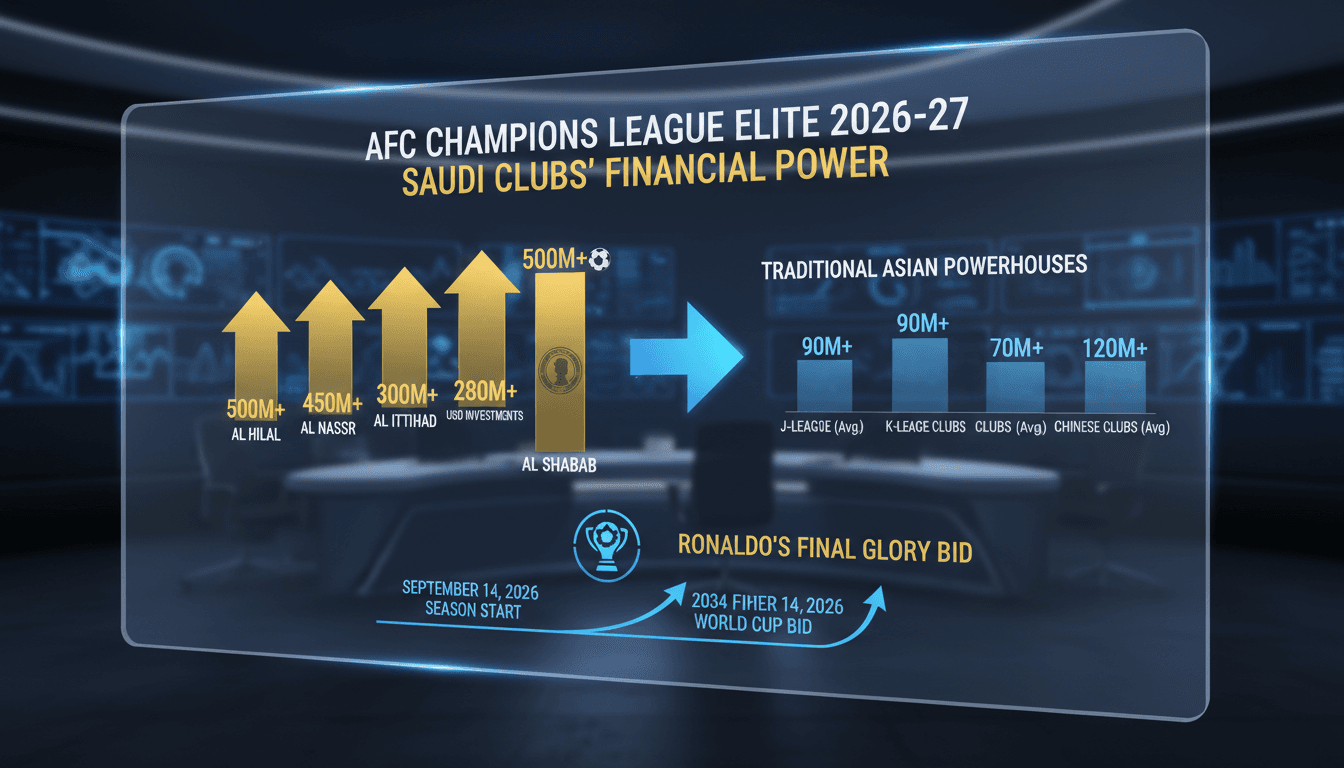
- Saudi clubs are significantly investing in talent. Al Hilal's recent $150 million signings of Ollie Watkins and Gabriel Martinelli exemplify this trend.
- The competition format favors Saudi teams. Knockout stages are centralized in Saudi Arabia, enhancing home advantage for local clubs.
The context you actually need
- Saudi Arabia is elevating its global football profile. The country is preparing to host the 2034 FIFA World Cup, signaling its commitment to sports.
- The AFC Champions League was rebranded. The tournament's new format, introduced in the 2024-25 season, centralizes key matches in Saudi Arabia.
- Japanese clubs have historically dominated. Despite strong performances, they now face challenges from Saudi financial resources and structural advantages.
What's really happening
Saudi Arabia's strategic investment in football is a cornerstone of its Vision 2030 initiative, aimed at diversifying the economy and enhancing the country's global image. The rebranding of the AFC Champions League to the Elite version reflects a shift in focus, with the centralized knockout stages designed to leverage the home advantage for Saudi clubs. This format not only boosts local engagement but also attracts international attention, positioning Saudi Arabia as a key player in Asian football.
Cristiano Ronaldo's move to Al Nassr in January 2023 was emblematic of this shift. The 41-year-old forward, seeking new challenges after a storied European career, joined a team that has yet to secure the Asian title despite its domestic success. His presence, alongside other high-profile players like Kingsley Coman and Sadio Mane, elevates the competitive profile of the league. However, Al Nassr's current standing in the Saudi Pro League, where they sit second, indicates that the path to continental glory remains challenging.
Al Hilal's significant investments, including a combined $150 million for Ollie Watkins and Gabriel Martinelli, underscore the financial muscle of Saudi clubs. This influx of talent not only enhances the quality of play but also raises the stakes for the AFC Champions League Elite. With five Saudi clubs participating in the 32-team competition, the structural advantages provided by the centralized format could lead to a dominance that reshapes the tournament's history.
Japanese clubs, traditionally strong contenders, now face an uphill battle against the financial resources and strategic positioning of Saudi teams. The Kashima Antlers and other Japanese sides have reached the finals in recent editions, but the growing disparity in investment could tilt the balance in favor of Saudi clubs. As the competition approaches, the implications for regional football dynamics are profound, with potential ripple effects on fan engagement and commercial opportunities across the Gulf.
Who feels it first (and how)
- Football fans in the Gulf region. Increased interest in matches and heightened rivalry among clubs.
- Sports marketers and sponsors. Opportunities for partnerships and advertising as the league gains visibility.
- Local businesses. Potential economic benefits from increased tourism and match-day revenues.
What to watch next
- Player transfers and signings. Continued investment in talent will shape the competitive landscape and fan engagement.
- Match attendance and viewership metrics. Tracking these figures will reveal the growing popularity of the league and its impact on local economies.
- Performance of Saudi clubs in the tournament. Their success or failure will influence future investments and the overall trajectory of Asian football.
The AFC Champions League Elite will feature five Saudi clubs, including Al Nassr and Al Hilal.
Saudi clubs will continue to dominate the tournament due to financial investments and centralized knockout stages.
The long-term impact of these changes on Japanese clubs and their ability to compete effectively.
Frequently Asked Questions
- Why it matters?
- The influx of investment in Saudi football is reshaping the AFC Champions League, potentially altering the dynamics of regional sports engagement.
- What happened (in 30 seconds)?
- The AFC Champions League Elite 2026-27 season starts on September 14, 2026. Cristiano Ronaldo's Al Nassr aims for its first Asian title amid strong competition. Saudi clubs are significantly investing in talent. Al Hilal's recent $150 million signings of Ollie Watkins and Gabriel Martinelli exemplify this trend. The competition format favors Saudi teams. Knockout stages are centralized in Saudi Arabia, enhancing home advantage for local clubs.
- What's really happening?
- Saudi Arabia's strategic investment in football is a cornerstone of its Vision 2030 initiative, aimed at diversifying the economy and enhancing the country's global image. The rebranding of the AFC Champions League to the Elite version reflects a shift in focus, with the centralized knockout stages designed to leverage the home advantage for Saudi clubs. This format not only boosts local engagement but also attracts international attention, positioning Saudi Arabia as a key player in Asian footb
- Who feels it first (and how)?
- Football fans in the Gulf region. Increased interest in matches and heightened rivalry among clubs. Sports marketers and sponsors. Opportunities for partnerships and advertising as the league gains visibility. Local businesses. Potential economic benefits from increased tourism and match-day revenues.
- What to watch next?
- Player transfers and signings. Continued investment in talent will shape the competitive landscape and fan engagement. Match attendance and viewership metrics. Tracking these figures will reveal the growing popularity of the league and its impact on local economies. Performance of Saudi clubs in the tournament. Their success or failure will influence future investments and the overall trajectory of Asian football.
Regional coverage and analysis focused on politics, diplomacy, and business across the Middle East.
"Al-Monitor is known for analytical reporting on Middle East politics and policy developments."
— A47 Editor
Ronaldo takes last crack at Asian glory as Saudi teams set to dominate
Cristiano Ronaldo is set to make a final attempt at winning the Asian Champions League as the tournament begins, with Saudi teams expected to dominate the competition. At 41 years old, Ronaldo has hinted that this season may be his last in profession...
Breaking news, scores, player stats, and analysis across all major sports.
"Yahoo Sports is a comprehensive digital sports destination known for stats, fantasy sports, and real-time updates."
— A47 Editor
Ronaldo takes last crack at Asian glory as Saudi teams set to dominate
Cristiano Ronaldo is set to make a significant attempt to secure victory in the Asian Champions League as the tournament commences, with Saudi Arabian teams expected to dominate due to their substantial financial investments in football.
UAE-based English-language newspaper covering regional politics, economics, and global affairs.
"The National reflects Emirati policy perspectives while maintaining international editorial standards."
— A47 Editor
Cristiano Ronaldo's Al Ain test as Al Qadsiah gatecrash Saudi Pro League title race
Cristiano Ronaldo faces a significant challenge as he plays for Al Ain, with Al Qadsiah unexpectedly entering the Saudi Pro League title race. This development comes as the league intensifies, showcasing the competitive nature of Saudi football.