
China enacts regulations to restrict companionship chatbots amid declining birth rates
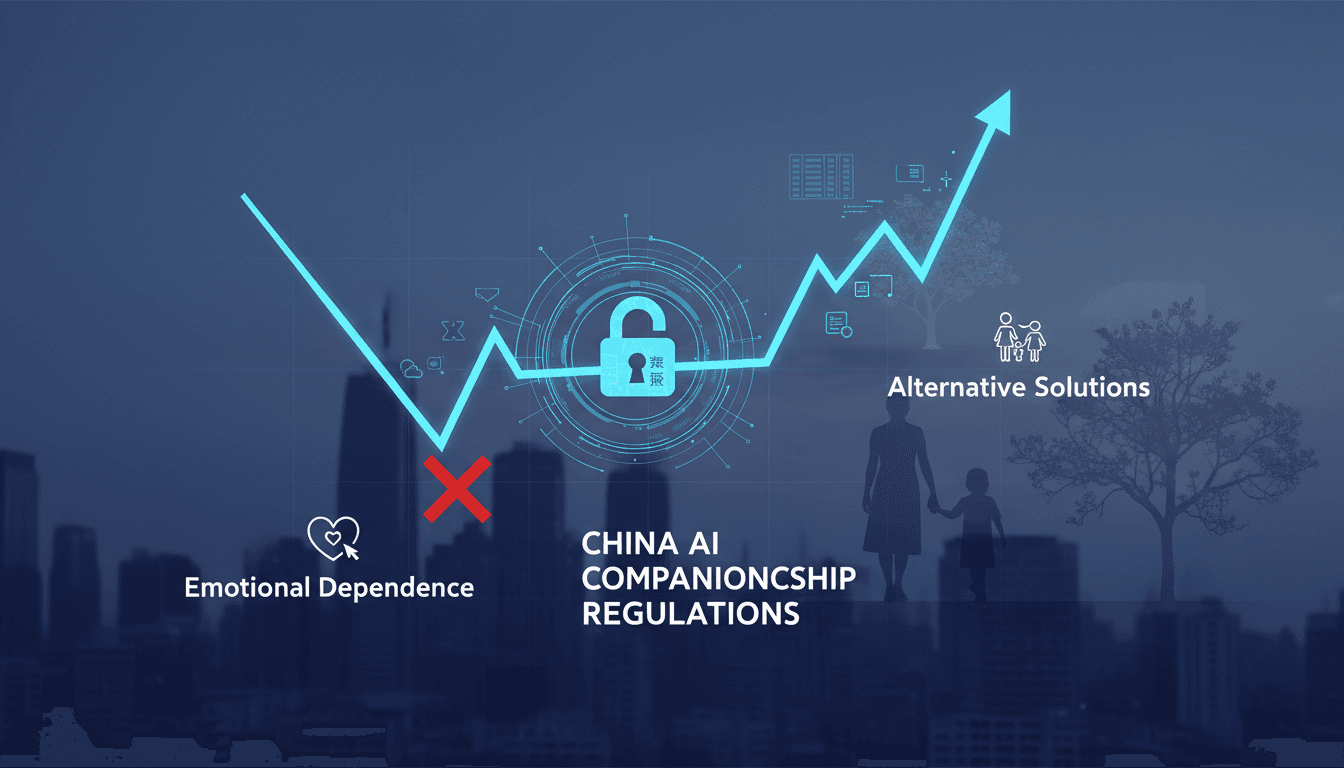
Here's what it means for you.
China's new regulations on companionship chatbots signal a significant shift in the landscape of AI interactions. By discouraging emotional reliance on virtual companions, the government aims to address declining birth rates and promote traditional human relationships. This move may reshape user engagement and the AI industry, as companies adapt to a more regulated environment. The emotional impact on users is profound, with many expressing grief over the loss of their virtual companions. As these regulations take effect, the future of AI companionship in China is poised for transformation.
What happened
China has enacted new regulations that prohibit companionship chatbots from fostering emotional dependence among users. These rules also explicitly ban virtual relationships with minors, reflecting a growing concern about the implications of AI on human emotional health. The crackdown is part of a broader initiative aimed at encouraging population growth in response to the country's declining birth rates.
As the regulations come into force, users have begun to voice their feelings of loss and heartbreak over the shutdown of their virtual companions. This emotional response underscores the deep connections some individuals have formed with AI entities.
The Context
The introduction of these regulations is a response to China's ongoing struggle with declining birth rates, which has raised alarms about the future of the population. By limiting emotional attachments to AI, the government hopes to encourage more traditional forms of companionship and family formation. Stakeholders in the AI industry are now faced with the challenge of adapting to these new rules while maintaining user engagement.
The timing of this crackdown coincides with a broader societal concern regarding the emotional impact of AI on human relationships. As users grapple with the loss of their virtual companions, the government’s stance reflects a desire to prioritize human connections over artificial ones.
Takeaway
As these regulations take hold, the landscape of AI companionship in China is likely to evolve significantly. Users may seek alternative companionship solutions that comply with the new rules, leading to a potential rise in more emotionally neutral interactions. Observing how users adapt to these changes will be crucial in understanding the long-term effects on both user behavior and the AI industry.
The implications of these regulations extend beyond immediate user experiences, potentially reshaping the future of AI companionship in China. The industry will need to navigate this new terrain carefully to align with government policies while meeting user needs.
Technology business and AI-related headlines.
"Data-driven tech newsroom with global scope."
— A47 Editor
AI Companion Bots and Virtual Lovers Face China Crackdown
Beijing has initiated a crackdown on AI companion bots and virtual lovers, which had become increasingly popular as social substitutes among users. This move reflects the government's growing concerns over the implications of artificial intelligence ...
Technology business news, market impacts, and innovation trends.
"Bloomberg is a premier financial and tech news provider, respected for its in-depth reporting and analytical rigor."
— A47 Editor
AI Companion Bots and Virtual Lovers Face China Crackdown
Beijing has initiated a crackdown on AI companion bots and virtual lovers, which had become increasingly popular as social substitutes among users. This move reflects the government's growing concerns over the implications of artificial intelligence ...
Curated tech headlines including AI stories.
"Influential aggregator surfacing the day’s top tech/AI links."
— A47 Editor
China enacts rules forbidding companionship chatbots from encouraging emotional reliance, banning virtual relationships with minors, and more (Stu Woo/Wall Street Journal)
China has implemented new regulations that prohibit companionship chatbots from fostering emotional dependence and ban virtual relationships with minors, marking a significant shift in the interaction between humans and AI. These rules, effective fro...
Tech business coverage, major deals, product launches, and Silicon Valley trends.
"WSJ’s tech section offers authoritative reporting on the intersection of technology and business, including exclusive industry analysis."
— A47 Editor
China Wants More Babies—So It’s Cracking Down on Chatbot Love Affairs
China has introduced new regulations that prohibit chatbots designed for companionship from fostering emotional dependence among users, as part of its efforts to address declining birth rates. This move reflects the government's concern over the impa...
Curated tech headlines including AI stories.
"Influential aggregator surfacing the day’s top tech/AI links."
— A47 Editor
As China's rules for humanlike AI interaction take effect, many users are bemoaning the loss of the virtual companions they had created on Chinese AI platforms (Bloomberg)
As new regulations governing humanlike AI interactions in China take effect, many users, including 19-year-old Yan Yongqi, are mourning the loss of their virtual companions created on various AI platforms. These changes, mandated by the Chinese gover...