
Google's AI Expansion Leads to Increased Energy Consumption and Emissions
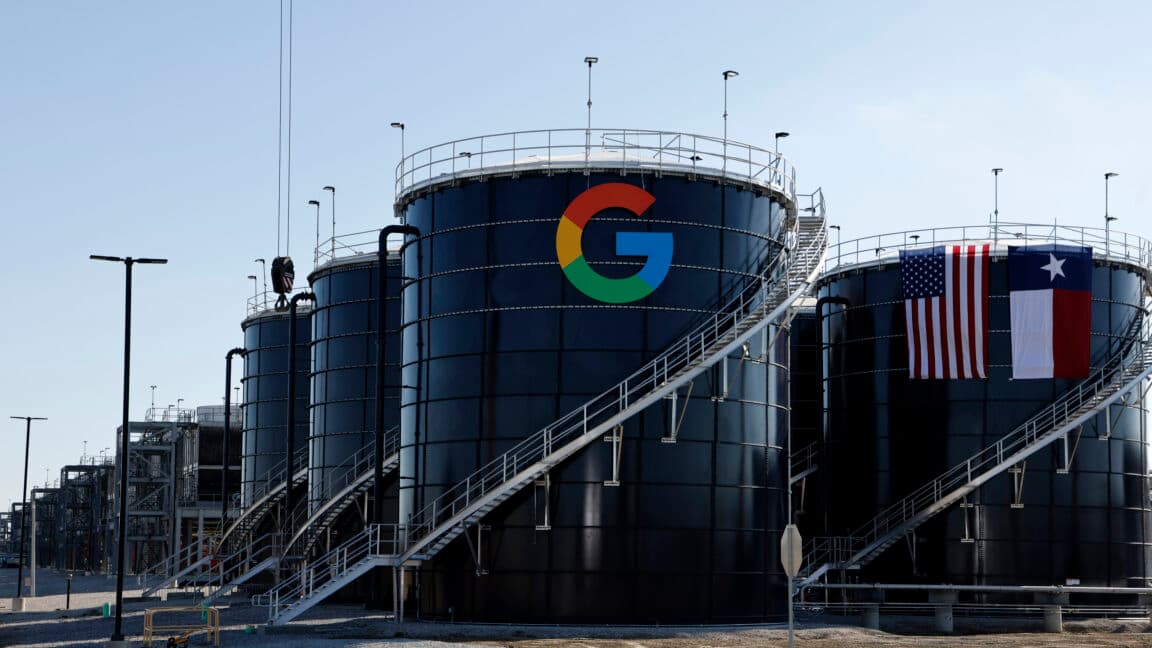
Here's what it means for you.
The recent surge in energy consumption and greenhouse gas emissions reported by Google underscores the tension between technological advancement and environmental sustainability. As companies like Google and Amazon expand their AI capabilities, they face increasing scrutiny regarding their climate commitments. This situation may prompt regulatory changes and force tech giants to rethink their strategies to align innovation with sustainability goals.
What happened
Google has reported a staggering 37% increase in electricity use due to its expansion of artificial intelligence infrastructure. This significant rise in energy consumption has led the company to miss its climate goals, raising alarms about the environmental impact of AI development. The increase in greenhouse gas emissions associated with this expansion further complicates Google's sustainability narrative.
The company's admission highlights the immediate consequences of prioritizing AI capabilities over environmental considerations. As Google navigates this challenge, it reflects a broader trend observed in the tech industry, particularly with competitors like Amazon facing similar issues.
The Context
The rapid expansion of AI infrastructure has resulted in a sharp increase in energy consumption for Google, which has admitted that its environmental impact has worsened as a result. This situation is not isolated, as other tech giants, including Amazon, are experiencing comparable increases in greenhouse gas emissions linked to their AI initiatives. The timing of these developments is critical, as they coincide with heightened public and regulatory focus on climate change and corporate responsibility.
As the tech industry races to innovate, the balance between advancing AI technologies and adhering to sustainability commitments is becoming increasingly precarious. Stakeholders, including investors and policymakers, are likely to demand greater accountability from these companies regarding their environmental footprints.
Takeaway
The ongoing AI race presents a significant challenge for tech companies striving to meet their sustainability and carbon neutrality commitments. As Google and Amazon grapple with rising emissions, it will be essential to monitor how they adjust their climate strategies in response to these pressures. Potential regulatory changes aimed at addressing the environmental impacts of technology companies may also emerge as a critical factor in shaping future industry practices.
The intersection of AI development and environmental sustainability will likely remain a contentious issue, necessitating innovative solutions that reconcile technological progress with ecological responsibility.
Future-focused tech headlines including AI breakthroughs.
"Consumer-friendly future-tech site with frequent AI coverage."
— A47 Editor
Google Admits It Missed Its Climate Goals — Again — Because of AI
Google has acknowledged that it has once again failed to meet its climate goals, attributing this setback to the energy demands of its expanding artificial intelligence (AI) infrastructure. The company's increased electricity usage, which surged by 3...
Latest AI/ML research news and breakthroughs.
"Aggregated research highlights across institutions."
— A47 Editor
AI race weakens climate pledges at Google, Amazon
Google and Amazon have reported significant increases in greenhouse gas emissions, attributed to the rapid expansion of their artificial intelligence infrastructure, which is undermining their commitments to carbon neutrality. Google's emissions rose...
Startup news with frequent AI coverage.
"Covers launches, funding, and product updates in AI."
— A47 Editor
A warning sign about AI’s real cost, courtesy of Google and Amazon
Recent developments indicate that tech giants Google and Amazon are struggling to meet their net-zero emissions pledges, primarily due to the rising costs associated with artificial intelligence (AI) operations. As both companies expand their AI capa...
In-depth reporting on tech, policy, and science including AI.
"Respected analysis for technically savvy readers, including AI topics."
— A47 Editor
Google’s AI buildout drove 37% increase in electricity use in 2025
Google reported a 37% increase in electricity usage in 2025, attributed to its extensive artificial intelligence (AI) buildout, which has raised concerns about the environmental impact of its data centers. The company is attempting to balance this su...
In-depth coverage of hardware, software, science, and policy.
"Ars Technica provides expert technology news, hardware reviews, and analysis for a technically savvy audience."
— A47 Editor
Google’s AI buildout drove 37% increase in electricity use in 2025
Google reported a 37% increase in electricity usage in 2025, attributed to its extensive artificial intelligence (AI) buildout, which has raised concerns about the environmental impact of its data centers. The company is attempting to balance this su...