
OpenAI launches Computer History feature for ChatGPT and Codex on Mac
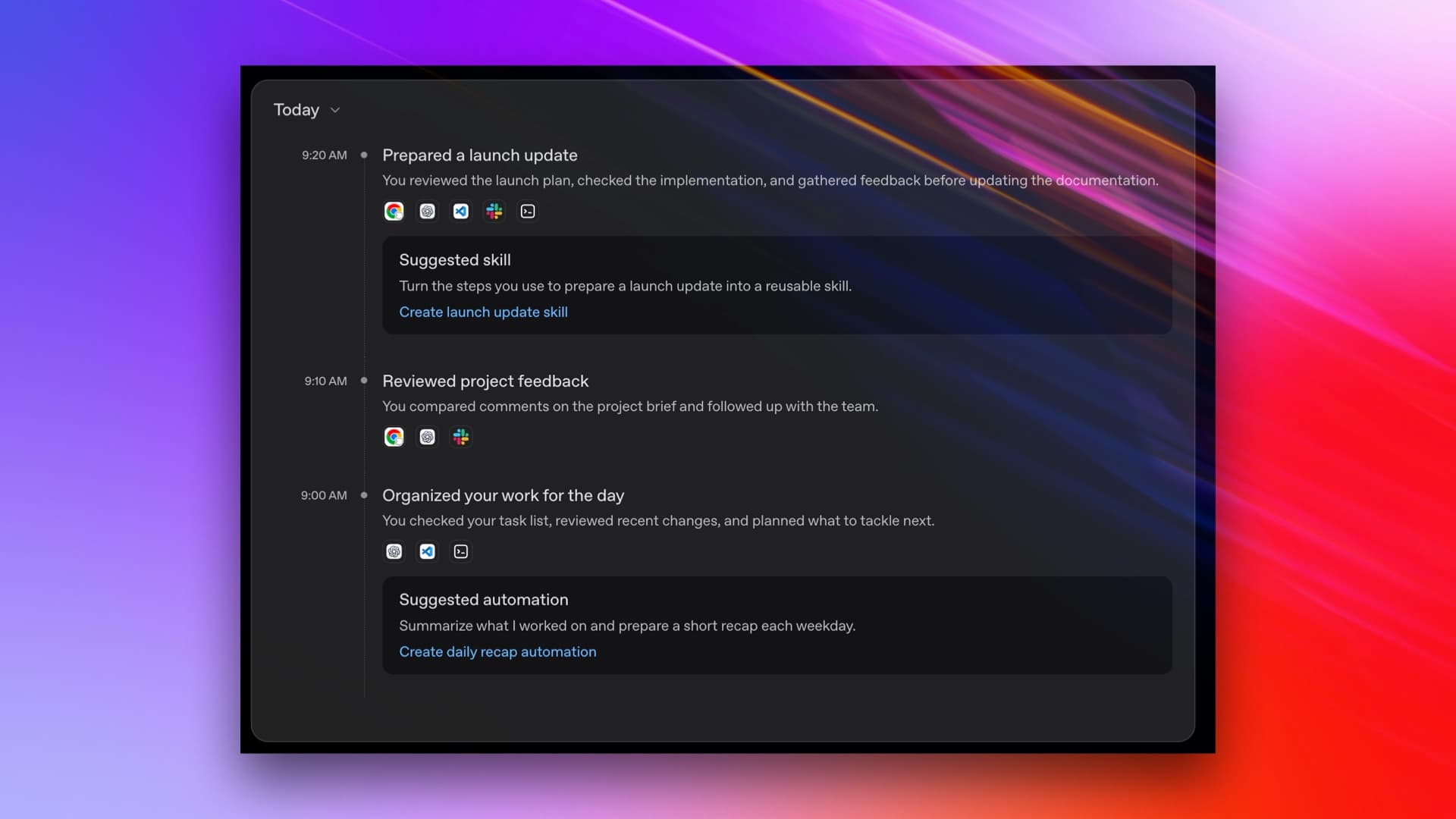
Here's what it means for you.
OpenAI's introduction of the Computer History feature marks a significant step towards enhancing user engagement with AI tools. By allowing ChatGPT and Codex to utilize recent Mac activity, users can expect more contextual and personalized interactions. This development could pave the way for broader adoption of AI technologies as they become increasingly integrated into daily workflows. The opt-in nature of this feature emphasizes user control over data collection, a critical consideration in today's privacy-conscious environment. As AI continues to evolve, the balance between enhanced functionality and data privacy will be paramount.
What happened
OpenAI has launched the Computer History feature for its ChatGPT and Codex applications, enabling them to leverage users' recent activity on Mac devices for contextual interactions. This feature records user activity, including clicks and keystrokes, and creates a searchable memory timeline. It is important to note that the data collected is stored locally as unencrypted Markdown files and is not used for AI training.
In addition to this feature, OpenAI has also released a desktop preview of ChatGPT, Work, and Codex for Linux users. This expansion reflects the company's commitment to making its AI tools accessible across different operating systems.
The Context
The Computer History feature is designed to enhance user experience by integrating personal computer activity into AI interactions. This move aligns with OpenAI's broader strategy to improve user engagement and make AI tools more relevant to individual workflows. The feature is opt-in, allowing users to maintain control over their data, which is crucial in an era where data privacy is a growing concern.
The launch comes at a time when AI technologies are increasingly being adopted across various sectors. By providing a more personalized experience, OpenAI aims to encourage users to integrate AI tools into their daily routines, potentially leading to a wider acceptance of AI solutions.
Takeaway
As OpenAI continues to enhance its AI capabilities, the focus on user engagement and data privacy will be critical. The introduction of the Computer History feature suggests a trend towards more personalized AI interactions, which could significantly impact productivity.
Looking ahead, it will be interesting to observe user feedback on how this feature influences their workflows. Additionally, potential expansions of similar features to other operating systems could further broaden the reach and utility of OpenAI's tools.
Latest tech news, product reviews, and analysis for consumers and professionals.
"CNET delivers accessible and detailed technology reporting, including trusted product reviews and how-to guides."
— A47 Editor
ChatGPT Can Now Add Your Mac Activity to Its Memories
OpenAI has introduced a new feature for ChatGPT that allows it to track user activity on Mac devices, utilizing clicks and keystrokes to enhance its memory capabilities. This feature, known as Computer History, aims to create a more personalized user...
Curated tech headlines including AI stories.
"Influential aggregator surfacing the day’s top tech/AI links."
— A47 Editor
OpenAI launches Computer History, an opt-in feature that turns recent computer activity on macOS into memories and a timeline that ChatGPT and Codex can use (Frederic Lardinois/The New Stack)
OpenAI has introduced an opt-in feature called Computer History, which captures recent computer activity on macOS and transforms it into memories and a timeline for ChatGPT and Codex. This feature aims to enhance the contextual understanding of user ...
News and guidance for IT pros on AI adoption.
"Enterprise-focused tips, explainers, and news for professionals."
— A47 Editor
OpenAI Brings ChatGPT, Work, and Codex to Linux in Desktop Preview
OpenAI has launched a preview version of its ChatGPT desktop application for Linux, integrating features such as ChatGPT Work and Codex, specifically for Ubuntu, Debian, and Fedora systems. This move marks a significant expansion of OpenAI's AI servi...