
OpenAI launches Computer History feature for ChatGPT on Mac amid privacy concerns
Here's what it means for you.
OpenAI's introduction of the Computer History feature for its ChatGPT Mac app signifies a shift towards more personalized user experiences. However, this move raises critical questions about user privacy, particularly given the unencrypted storage of activity data. As AI tools become increasingly integrated into daily workflows, the balance between functionality and privacy will be a key focus for developers and regulators alike. The implications of this feature extend beyond individual users, potentially influencing market trends and policy discussions surrounding data privacy in AI applications. Stakeholders will need to navigate these complexities as they adapt to evolving user expectations and regulatory landscapes.
What happened
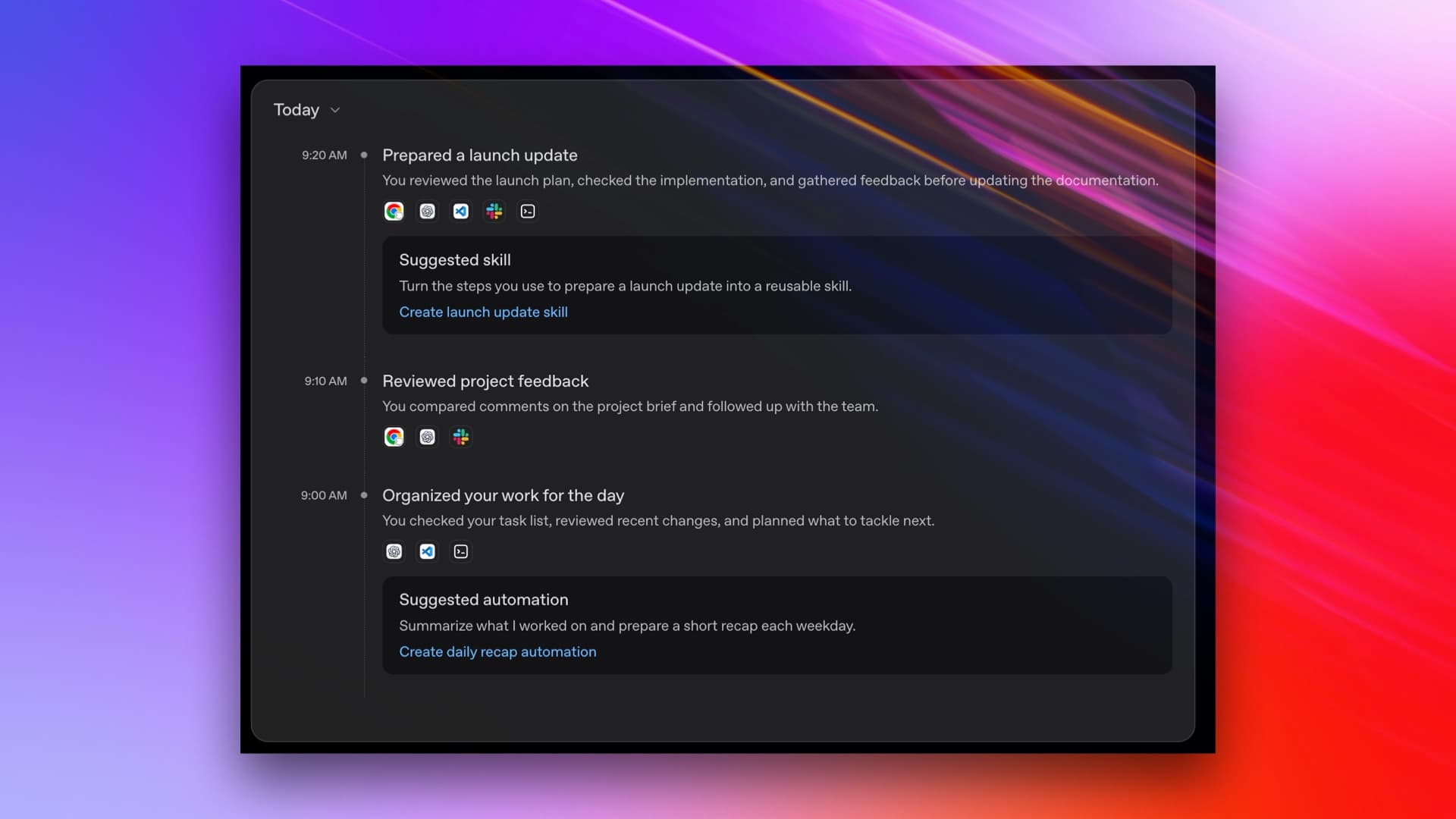
OpenAI has launched a new feature called Computer History for its ChatGPT Mac app, which allows users to track their activity. This feature compiles user interactions, such as clicks and keystrokes, into a searchable timeline. While it aims to enhance user experience, the data is stored locally in unencrypted Markdown files, raising privacy concerns.
In addition to the Mac app update, OpenAI has expanded its offerings by introducing a preview of ChatGPT and Codex for Linux users. This dual launch reflects the company's commitment to broadening its user base across different operating systems. The Computer History feature is a significant step in making AI tools more interactive and user-friendly.
The Context
The Computer History feature is designed to create a timeline from user interactions on Mac, providing a unique approach to tracking activity. However, the unencrypted nature of the stored data raises potential privacy issues that could attract scrutiny from users and regulators alike. As AI tools become more personalized, the implications for user privacy are becoming increasingly critical.
OpenAI's simultaneous release of a Linux preview indicates a strategic move to capture a wider audience in the tech landscape. This expansion aligns with the growing demand for versatile AI applications that cater to diverse operating systems. The timing of these launches suggests that OpenAI is keen to stay ahead in a competitive market while addressing user needs.
Takeaway
As AI tools evolve, user privacy will remain a central concern that developers must address. OpenAI's Computer History feature highlights the need for a careful balance between enhancing user experience and safeguarding personal data. Future updates on user privacy measures will be crucial as the company navigates these challenges.
Additionally, developments in AI applications for Linux systems will be worth monitoring. The ongoing evolution of AI technology will likely prompt further discussions about regulatory responses and best practices for data protection in the industry.
Enterprise-focused AI news and analysis.
"Practical AI strategies and tools for IT leaders."
— A47 Editor
ChatGPT's new Computer History tracks your Mac activity to create a timeline - but should you let it?
ChatGPT has introduced a new feature called Computer History in its Mac app, which tracks user activity across various applications and websites to create a timeline. This rollout raises concerns regarding user privacy and data security, as it involv...
Business tech news, enterprise IT, and innovation analysis.
"ZDNet offers enterprise IT news, reviews, and strategy guidance."
— A47 Editor
ChatGPT's new Computer History tracks your Mac activity to create a timeline - but should you let it?
ChatGPT has introduced a new feature called Computer History in its Mac app, which tracks user activity across various applications and websites to create a timeline. This rollout raises concerns regarding user privacy and data security, as it involv...
News and guidance for IT pros on AI adoption.
"Enterprise-focused tips, explainers, and news for professionals."
— A47 Editor
OpenAI Brings ChatGPT, Work, and Codex to Linux in Desktop Preview
OpenAI has launched a preview version of its ChatGPT desktop application for Linux, integrating features such as ChatGPT Work and Codex, specifically for Ubuntu, Debian, and Fedora systems. This move marks a significant expansion of OpenAI's AI servi...