
Uber and Zipline Partner to Launch Drone Delivery Service Aiming for One Million Daily Operations by 2029
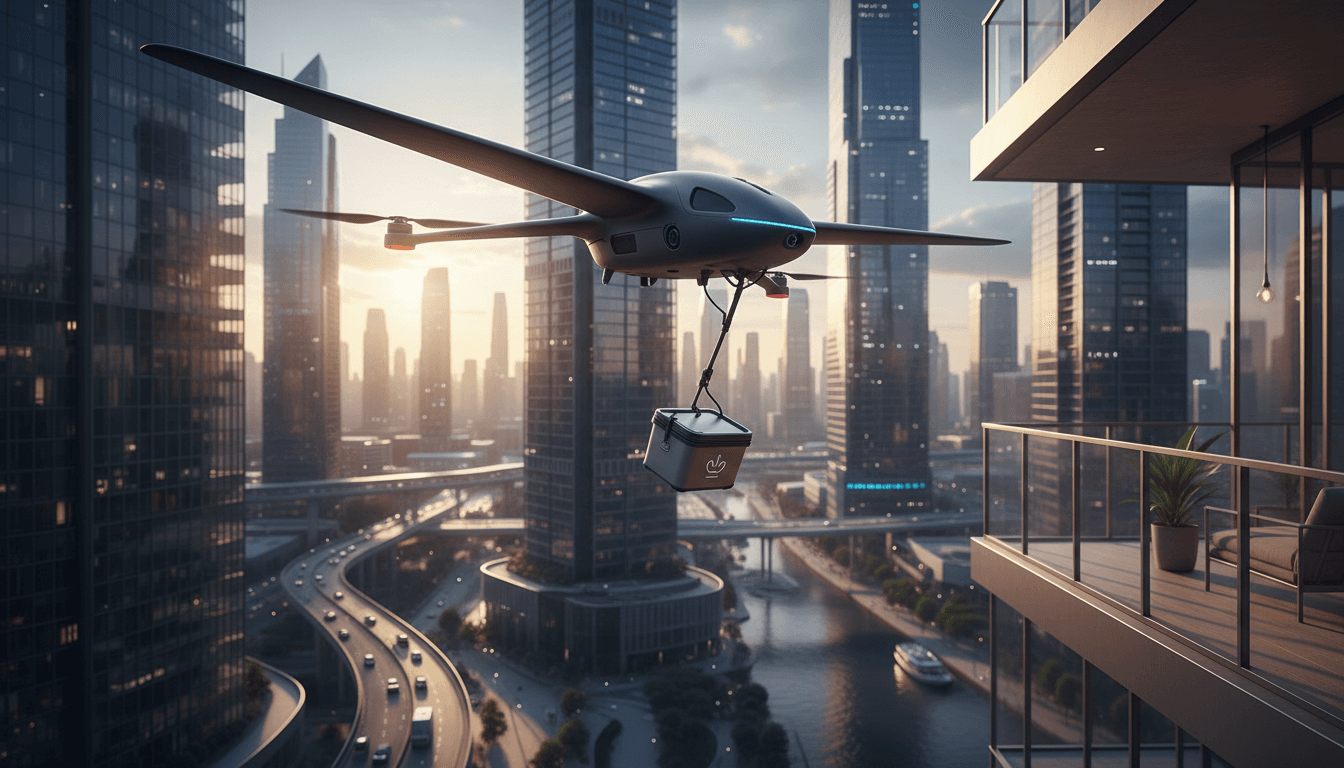
The Vibe
The landscape of food and goods delivery is evolving rapidly, with autonomous drone technology poised to redefine consumer experiences.
What it signals
This partnership signals a significant shift in how we perceive delivery logistics, emphasizing speed and efficiency as new status symbols. As Uber and Zipline aim for one million daily drone deliveries by 2029, the implications extend beyond mere convenience; they reflect a broader cultural shift towards instant gratification and the increasing importance of technological integration in everyday life.
Why it's happening now
1. The competitive landscape is heating up. With DoorDash and Wing already in the drone delivery space, Uber's partnership is a strategic move to secure its market position. 2. Consumer demand for faster delivery options has surged, particularly post-pandemic, as people have grown accustomed to immediate access to goods and services. 3. Advances in drone technology and regulatory frameworks are now aligning, making it feasible for companies to scale operations and meet ambitious delivery targets.
Who it's for (and who it leaves out)
This initiative primarily benefits urban consumers and businesses looking for rapid delivery solutions. However, it may leave out rural areas and those without access to the necessary infrastructure for drone operations.
What to watch next
1. Monitor the rollout of initial drone deliveries in targeted markets like Pea Ridge and Dallas-Fort Worth to gauge consumer acceptance and operational efficiency. 2. Keep an eye on regulatory developments from the FAA, as their guidelines will significantly impact the scalability of drone delivery services across the U.S.
Uber and Zipline have announced a partnership to integrate drone deliveries into the Uber Eats platform.
The partnership will accelerate the adoption of drone technology in logistics, particularly in urban areas.
The long-term impact on traditional delivery services and their workforce remains to be seen.
Consumer technology news with AI coverage.
"Gadget and tech site reporting on AI in products."
— A47 Editor
Uber aims for 1 million daily drone deliveries with Zipline partnership
Uber has announced a partnership with Zipline to initiate drone deliveries for Uber Eats, aiming for a target of 1 million daily deliveries later this year. This move marks a significant advancement in the company's logistics capabilities, leveraging...
Covers consumer technology, electronics, gadgets, and product reviews.
"Engadget is a trusted source for gadget reviews and consumer tech news, known for its hands-on analysis and industry coverage."
— A47 Editor
Uber aims for 1 million daily drone deliveries with Zipline partnership
Uber has announced a partnership with Zipline to initiate drone deliveries for Uber Eats, aiming for a target of 1 million daily deliveries later this year. This move marks a significant advancement in the company's logistics capabilities, leveraging...
Consumer tech and culture with frequent AI coverage.
"Influential tech outlet covering AI products and policy."
— A47 Editor
Uber partners with Zipline on Eats drone deliveries
Uber has announced a partnership with drone delivery company Zipline to launch airborne takeout deliveries, aiming for one million daily deliveries by 2029. This initiative is set to begin later this year and follows Zipline's successful drone delive...
Tech news, reviews, and analysis of consumer electronics, science, art, and culture.
"The Verge is a technology-focused media outlet known for in-depth reporting, product reviews, and coverage of the intersection between technology and culture."
— A47 Editor
Uber partners with Zipline on Eats drone deliveries
Uber has announced a partnership with drone delivery company Zipline to launch airborne takeout deliveries, aiming for one million daily deliveries by 2029. This initiative is set to begin later this year and follows Zipline's successful drone delive...
Startup news with frequent AI coverage.
"Covers launches, funding, and product updates in AI."
— A47 Editor
Uber adds Zipline drones to its Eats delivery network
Uber has integrated Zipline drones into its Eats delivery network, enhancing its delivery capabilities and efficiency. This partnership also includes a financial investment in Zipline, indicating a strategic alignment between the two companies.