
Major US Tech Firms' Data Centers Expected to Generate 101.5 Million Tons of CO2 Annually
Why it matters
The projected emissions from these data centers could undermine climate commitments and affect energy markets.
What happened (in 30 seconds)
- Major tech firms like Amazon, Google, Meta, and Microsoft are constructing 60 large data centers in the US.
- Projected emissions from these facilities could reach 101.5 million tons of CO2 annually, equivalent to the output of 24 million cars.
- Utilities are increasing gas-fired capacity and delaying coal retirements, contradicting previous climate pledges.
The context you actually need
- AI infrastructure growth is driving unprecedented electricity demand, conflicting with corporate net-zero goals set five years ago.
- Policy shifts under the Trump administration favored fossil fuels, leading utilities to prioritize gas and coal over renewables.
- Local activism is rising in affected communities, focusing on issues like water and land use related to data center operations.
What's really happening
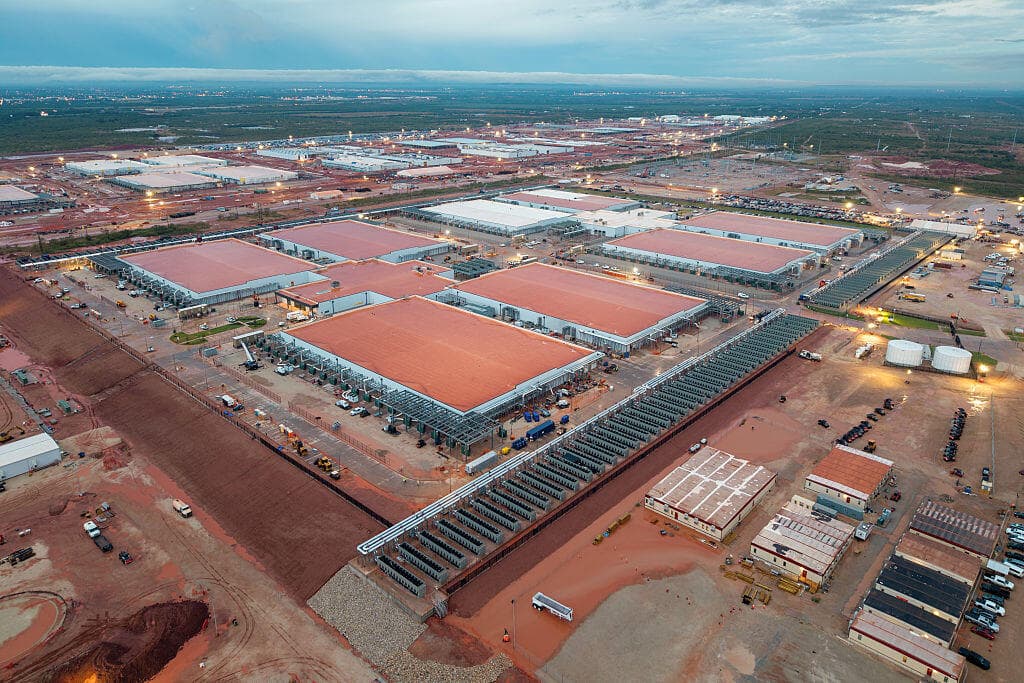
In mid-August 2026, the Financial Times revealed a concerning analysis of the environmental impact of the ongoing expansion of data centers by major tech companies in the United States. The report highlighted that the 60 largest facilities under construction by Amazon, Google, Meta, and Microsoft are projected to emit a staggering 101.5 million tons of carbon dioxide annually once operational. This figure represents about 7% of the anticipated US power-sector emissions for 2025, equating to the emissions produced by 27 coal-fired power plants or 24 million gasoline-powered cars.
The surge in electricity demand is primarily driven by the rapid growth of AI infrastructure, which has created a pressing need for more data processing capabilities. However, this demand is colliding with the corporate commitments to achieve net-zero emissions made just five years prior. The rollback of climate regulations and clean energy incentives during the Trump administration has further complicated the situation, as utilities have shifted their focus to fossil fuel sources. This has resulted in a significant increase in gas-fired capacity additions, while many coal plant retirements have been delayed, undermining the progress made towards cleaner energy.
The emissions data from these tech giants is alarming. For instance, Amazon reported a 16% increase in emissions from 2024 to 2025, while Microsoft and Alphabet saw increases of 25% and 18%, respectively. This trend is compounded by the fact that three-quarters of the relevant utilities are planning new gas capacity, with one-third postponing coal retirements. As a result, local communities are experiencing heightened activism, with protests and calls for moratoriums on new data center constructions due to concerns over water use, land use, and environmental degradation.
The implications of this expansion are far-reaching. As tech companies continue to rely on renewable energy credits to offset their emissions, the actual emissions are rising, raising questions about the effectiveness of these strategies. Furthermore, the broader market is witnessing accelerated permitting for fossil fuel plants tied to data centers, indicating a shift in priorities that could have lasting consequences for climate goals and energy policies.
Who feels it first (and how)
- Local communities near data centers facing environmental degradation and resource strain.
- Utility companies adapting to increased demand for gas and coal energy.
- Tech firms grappling with reputational risks and potential regulatory scrutiny.
What to watch next
- Local activism: Increased protests and community actions could influence future data center projects and energy policies.
- Utility responses: How utilities adapt their energy mix in response to rising demand and emissions could signal broader market shifts.
- Corporate climate commitments: Watch for potential revisions or reaffirmations of net-zero pledges from tech firms amid rising emissions.
Major tech firms are expanding data centers, leading to significant CO2 emissions.
Local activism will continue to grow in response to environmental concerns.
The long-term impact on corporate climate commitments and energy policies remains uncertain.
Frequently Asked Questions
- Why it matters?
- The projected emissions from these data centers could undermine climate commitments and affect energy markets.
- What happened (in 30 seconds)?
- Major tech firms like Amazon, Google, Meta, and Microsoft are constructing 60 large data centers in the US. Projected emissions from these facilities could reach 101.5 million tons of CO2 annually, equivalent to the output of 24 million cars. Utilities are increasing gas-fired capacity and delaying coal retirements, contradicting previous climate pledges.
- What's really happening?
- In mid-August 2026, the Financial Times revealed a concerning analysis of the environmental impact of the ongoing expansion of data centers by major tech companies in the United States. The report highlighted that the 60 largest facilities under construction by Amazon, Google, Meta, and Microsoft are projected to emit a staggering 101.5 million tons of carbon dioxide annually once operational. This figure represents about 7% of the anticipated US power-sector emissions for 2025, equating to the
- Who feels it first (and how)?
- Local communities near data centers facing environmental degradation and resource strain. Utility companies adapting to increased demand for gas and coal energy. Tech firms grappling with reputational risks and potential regulatory scrutiny.
- What to watch next?
- Local activism: Increased protests and community actions could influence future data center projects and energy policies. Utility responses: How utilities adapt their energy mix in response to rising demand and emissions could signal broader market shifts. Corporate climate commitments: Watch for potential revisions or reaffirmations of net-zero pledges from tech firms amid rising emissions.
Corporate leadership, finance, technology, and market trends.
"Fortune covers financial trends, leadership, and innovation with a pragmatic editorial approach."
— A47 Editor
Data center gas plants to boost U.S. power emissions by 20%
The U.S. is facing a potential increase in power emissions by 20% due to the proposed construction of 99 gas plants intended to power AI data centers, with major tech companies like Amazon and Microsoft among the developers.
Technology business news, market impacts, and innovation trends.
"Bloomberg is a premier financial and tech news provider, respected for its in-depth reporting and analytical rigor."
— A47 Editor
Data Center Gas Plants to Boost US Power Emissions by 20%
Data center developers are turning to bespoke natural-gas power plants, a development that promises to dramatically increase carbon emissions and make it harder for US technology companies to meet their lofty climate goals.
Latest tech news, product reviews, and analysis for consumers and professionals.
"CNET delivers accessible and detailed technology reporting, including trusted product reviews and how-to guides."
— A47 Editor
Planned US Data Centers Set to Produce 24M Cars’ Worth Of Carbon Dioxide
Planned data centers in the U.S. are projected to generate carbon dioxide emissions equivalent to that produced by 24 million cars, highlighting a significant clash between Big Tech's climate commitments and the energy demands of artificial intellige...