
Majority of Young US Adults Express Concern Over AI Integration
Here's what it means for you.
As AI becomes more integrated into daily life, understanding the shifting attitudes of young adults can help you navigate career and technology choices.
Why it matters
This growing concern among young adults signals potential shifts in workforce dynamics and consumer behavior, impacting industries reliant on AI technologies.
What happened (in 30 seconds)
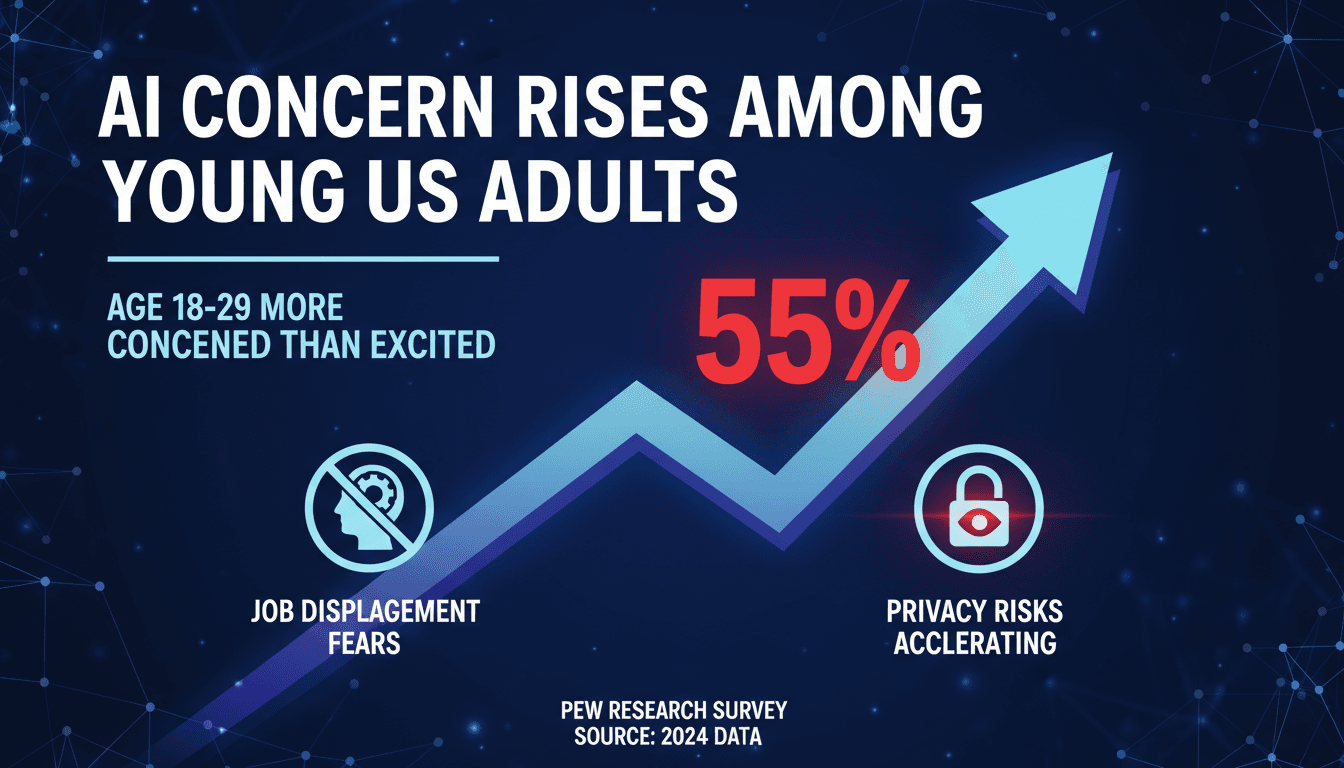
- Majority Concern: For the first time, 55% of US adults ages 18-29 express more concern than excitement about AI's daily integration.
- Historical Shift: This figure has risen sharply from 31% in 2021, reflecting a broader societal wariness.
- Job Fears: 71% of respondents expect AI to reduce job availability in the US over the next two decades.
The context you actually need
- Rising Apprehension: Prior surveys indicated a steady increase in concern about AI, particularly among younger adults, as economic pressures mount.
- Generative AI Impact: The rapid deployment of generative AI tools like ChatGPT has contributed to fears of job displacement and privacy violations.
- Global Trends: Similar ethical and well-being concerns regarding AI adoption are emerging among young adults in other regions, including the UAE.
What's really happening
The recent Pew Research Center survey reveals a significant shift in attitudes among young adults in the US regarding artificial intelligence. The data shows that 55% of adults aged 18-29 are now more concerned than excited about AI's integration into daily life, a stark increase from just 31% in 2021. This trend aligns with a broader societal apprehension, as 52% of all US adults share similar concerns.
The rise in concern can be attributed to several factors. First, the rapid commercialization of AI technologies, particularly generative AI tools, has raised alarms about job security. Many young adults are entering a workforce that is increasingly automated, leading to fears that their roles may be at risk. The survey indicates that 71% of respondents believe AI will lead to fewer jobs in the US over the next two decades, highlighting a pervasive anxiety about the future of work.
Moreover, privacy issues have become a focal point of concern. As AI systems become more integrated into everyday life, questions about data security and personal privacy are increasingly relevant. Young adults, who are often more digitally connected, are particularly sensitive to these issues, leading to a growing wariness about the implications of AI on their personal lives.
The context of these concerns is also shaped by economic pressures and regulatory debates surrounding AI. As discussions about the ethical use of AI technologies gain traction, young adults are becoming more aware of the potential societal impacts. This awareness is reflected in their shifting attitudes, as they align more closely with older cohorts who have historically expressed greater skepticism about technological advancements.
In summary, the rising concern among young adults about AI's integration into daily life is not just a fleeting trend; it reflects deeper anxieties about job security, privacy, and the broader societal implications of rapid technological change. As these concerns continue to evolve, they will likely influence both consumer behavior and policy discussions in the years to come.
Who feels it first (and how)
- Young Professionals: Those entering the job market may face increased competition from AI technologies.
- Tech Workers: Individuals in the tech sector may experience job displacement or shifts in job roles due to automation.
- Students: Young adults in educational settings may feel pressure to adapt to AI-driven learning environments.
- Consumers: General consumers may become more cautious about adopting AI technologies in their daily lives.
What to watch next
- Policy Developments: Watch for potential regulatory changes as concerns about AI's impact on jobs and privacy gain political traction.
- Market Reactions: Monitor how companies in the AI sector respond to shifting consumer sentiments and whether this affects their stock performance.
- Public Sentiment Trends: Keep an eye on future surveys to see if the trend of concern continues to grow among young adults and other demographics.
The majority of young adults in the US are now more concerned than excited about AI.
This concern will influence consumer behavior and may lead to calls for regulatory action.
The long-term impact on job markets and specific industries remains uncertain.
Frequently Asked Questions
- Why it matters?
- This growing concern among young adults signals potential shifts in workforce dynamics and consumer behavior, impacting industries reliant on AI technologies.
- What happened (in 30 seconds)?
- Majority Concern: For the first time, 55% of US adults ages 18-29 express more concern than excitement about AI's daily integration. Historical Shift: This figure has risen sharply from 31% in 2021, reflecting a broader societal wariness. Job Fears: 71% of respondents expect AI to reduce job availability in the US over the next two decades.
- What's really happening?
- The recent Pew Research Center survey reveals a significant shift in attitudes among young adults in the US regarding artificial intelligence. The data shows that 55% of adults aged 18-29 are now more concerned than excited about AI's integration into daily life, a stark increase from just 31% in 2021. This trend aligns with a broader societal apprehension, as 52% of all US adults share similar concerns. The rise in concern can be attributed to several factors. First, the rapid commercializati
- Who feels it first (and how)?
- Young Professionals: Those entering the job market may face increased competition from AI technologies. Tech Workers: Individuals in the tech sector may experience job displacement or shifts in job roles due to automation. Students: Young adults in educational settings may feel pressure to adapt to AI-driven learning environments. Consumers: General consumers may become more cautious about adopting AI technologies in their daily lives.
- What to watch next?
- Policy Developments: Watch for potential regulatory changes as concerns about AI's impact on jobs and privacy gain political traction. Market Reactions: Monitor how companies in the AI sector respond to shifting consumer sentiments and whether this affects their stock performance. Public Sentiment Trends: Keep an eye on future surveys to see if the trend of concern continues to grow among young adults and other demographics.
Conservative-leaning coverage of current events.
"Fox News is a highly influential conservative news outlet known for right-leaning political commentary and coverage."
— A47 Editor
Majority of young adults say they are 'more concerned than excited' about AI: Pew Research
A recent Pew Research survey reveals that 55% of young adults express more concern than excitement regarding artificial intelligence (AI), indicating a significant shift in attitudes since 2021. This growing apprehension reflects broader societal anx...
English-language digital publication covering business, politics, technology, and current affairs.
"The Arabian Post mixes original and syndicated-style coverage with a broad regional and global business-news orientation."
— A47 Editor
Young Americans turn wary as AI job fears grow
Young Americans are increasingly expressing concerns about artificial intelligence (AI), with a recent survey indicating that 55% of adults under 30 feel more apprehensive than excited about AI's growing presence in their lives. This marks a signific...
Tech news, hardware, and AI tools coverage.
"PC/tech site increasingly covering AI hardware and apps."
— A47 Editor
Pew survey: 52% of Americans now more concerned than excited about AI
A recent Pew Research Center survey indicates that 52% of Americans are now more concerned than excited about the increasing integration of artificial intelligence (AI) into daily life, a significant rise from 37% in 2021. This growing apprehension i...
Consumer tech news, reviews, and buying guides for gadgets and electronics.
"TechRadar is known for comprehensive buying advice, hardware reviews, and consumer tech news targeted at mainstream audiences."
— A47 Editor
Over half of Americans are concerned about AI in daily life — with tech leaders and AI gurus desperately trying to calm the number one fear
A recent survey reveals that over half of Americans express concern about the impact of artificial intelligence (AI) on their daily lives, particularly fearing job displacement within the next two decades. Tech leaders and AI experts are attempting t...
Capitol Hill news, legislation, and policy insight.
"The Hill specializes in U.S. politics and policy, with a focus on Capitol Hill developments and a reputation for insider reporting."
— A47 Editor
Majority 'more concerned than excited' about increased AI use in daily life: Survey
A recent Pew Research survey indicates that 52 percent of Americans are more concerned than excited about the increasing use of artificial intelligence (AI) in daily life, marking a significant rise in apprehension since the survey's inception.
Global business headlines with AI angles.
"General business outlet that frequently covers AI."
— A47 Editor
Young Americans' AI Anxiety Keeps Growing. Unlike Older Adults, Their Concern Hasn't Leveled Off.
A recent survey indicates that a majority of U.S. adults under 30 are now more concerned than excited about the impact of artificial intelligence (AI) in their daily lives, marking a significant shift in sentiment among younger Americans.