
Flock Safety Shifts to Drone Surveillance Amid Vandalism and Regulatory Challenges
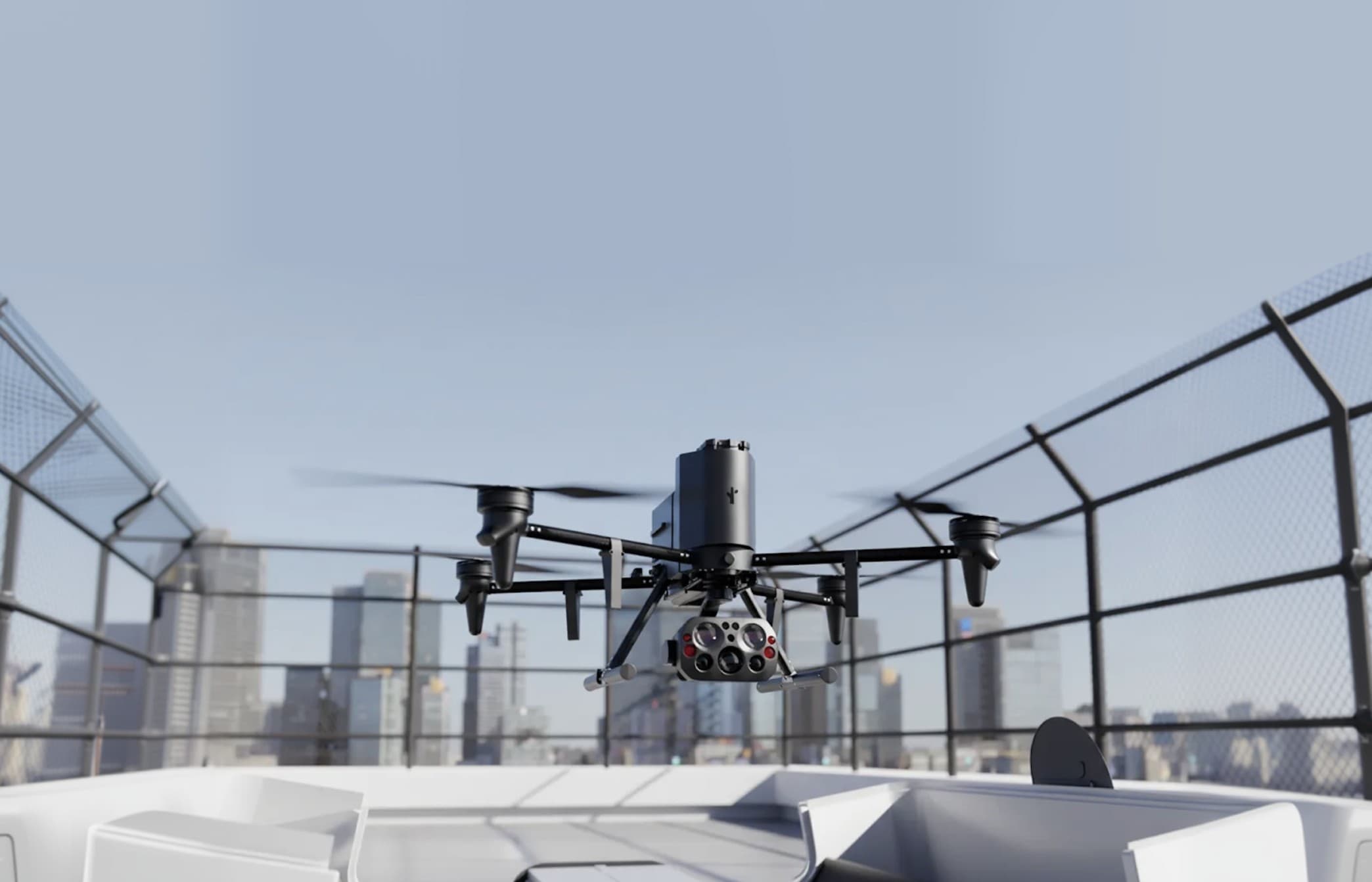
As surveillance technology evolves, your privacy and safety may be impacted by the shift from ground-based cameras to drones.
Why it matters
This transition reflects broader trends in public safety technology and raises critical questions about privacy and data governance.
What happened (in 30 seconds)
- Flock Safety announced a strategic pivot to drone-based surveillance systems in August 2026, responding to vandalism and regulatory scrutiny of its license plate readers.
- The company is developing unmanned aerial vehicles to provide persistent aerial monitoring, aiming to enhance law enforcement capabilities while addressing vulnerabilities of fixed installations.
- Early adoption of drone surveillance is already underway in select municipalities, such as Harvey, Illinois, despite ongoing privacy concerns leading to contract cancellations in other cities.
The context you actually need
- Flock Safety's original model relied on fixed license plate recognition (LPR) cameras, which faced increasing vandalism and privacy complaints, prompting regulatory pushback.
- The company has expanded its product offerings to include drone technology, such as the Alpha DFR drone and Aerodome systems, to provide rapid aerial responses to emergencies.
- Pilot programs are being implemented in various jurisdictions, even as some municipalities discontinue LPR contracts due to privacy issues, indicating a complex landscape for surveillance technology.
What's really happening
Flock Safety's pivot to drone surveillance is a direct response to the challenges faced by its traditional LPR camera systems. With over 120,000 active cameras deployed across the U.S., the company has built a significant presence in the public safety sector. However, the rise in vandalism targeting these cameras has not only threatened their operational effectiveness but also sparked a wave of privacy concerns among citizens and advocacy groups.
As municipalities grapple with the implications of surveillance technology, many have opted to terminate or decline renewal of contracts with Flock Safety, citing civil liberties issues. This backlash has created a pressing need for the company to innovate and adapt. By developing drone-based systems, Flock Safety aims to provide a solution that is less susceptible to physical damage and vandalism, while still delivering the surveillance capabilities that law enforcement agencies seek.
The introduction of drones allows for real-time aerial monitoring that can respond quickly to incidents, potentially improving public safety outcomes. The Alpha DFR drone, for example, is designed to provide immediate aerial support to 911 calls, offering a level of responsiveness that ground-based systems cannot match. This shift not only enhances the utility of surveillance technology but also addresses the physical vulnerabilities that have plagued fixed installations.
Moreover, Flock Safety is taking steps to bolster its data governance policies in response to the scrutiny it faces. Starting January 2027, the company will implement mandatory audit tools and access restrictions for law enforcement users, aiming to rebuild trust and ensure compliance with privacy standards. This move reflects a broader trend in the tech industry where companies are increasingly held accountable for how they manage and protect user data.
As drone technology continues to evolve, Flock Safety's strategic pivot may set a precedent for other surveillance companies facing similar challenges. The implications of this shift extend beyond the immediate operational changes; they signal a potential transformation in how public safety is approached in the digital age, with drones becoming a staple in law enforcement's toolkit.
Who feels it first (and how)
- Law enforcement agencies: They will gain access to advanced aerial surveillance capabilities, potentially improving response times and situational awareness.
- Municipal governments: Cities that adopt drone technology may face scrutiny over privacy concerns, impacting public trust and community relations.
- Privacy advocates: Increased drone surveillance will likely intensify debates around civil liberties and data protection, leading to calls for stricter regulations.
- Residents in pilot program areas: Communities like Harvey, Illinois, will experience the immediate effects of drone surveillance, influencing their perceptions of safety and privacy.
What to watch next
- Expansion of pilot programs: Monitor how quickly and widely Flock Safety rolls out its drone systems across various municipalities, as this will indicate market acceptance and operational success.
- Regulatory responses: Keep an eye on how local and federal regulations evolve in response to drone surveillance, particularly regarding privacy and data governance.
- Public sentiment: Watch for shifts in community attitudes towards surveillance technology, as public opinion will play a crucial role in shaping future deployments and policies.
Flock Safety is actively developing drone surveillance technology as a response to challenges faced by its LPR systems.
Municipalities will continue to weigh the benefits of drone surveillance against privacy concerns, influencing adoption rates.
The long-term impact of drone surveillance on public safety and civil liberties remains to be fully understood.
Frequently Asked Questions
- Why it matters?
- This transition reflects broader trends in public safety technology and raises critical questions about privacy and data governance.
- What happened (in 30 seconds)?
- Flock Safety announced a strategic pivot to drone-based surveillance systems in August 2026, responding to vandalism and regulatory scrutiny of its license plate readers. The company is developing unmanned aerial vehicles to provide persistent aerial monitoring, aiming to enhance law enforcement capabilities while addressing vulnerabilities of fixed installations. Early adoption of drone surveillance is already underway in select municipalities, such as Harvey, Illinois, despite ongoing privacy
- What's really happening?
- Flock Safety's pivot to drone surveillance is a direct response to the challenges faced by its traditional LPR camera systems. With over 120,000 active cameras deployed across the U.S., the company has built a significant presence in the public safety sector. However, the rise in vandalism targeting these cameras has not only threatened their operational effectiveness but also sparked a wave of privacy concerns among citizens and advocacy groups. As municipalities grapple with the implications
- Who feels it first (and how)?
- Law enforcement agencies: They will gain access to advanced aerial surveillance capabilities, potentially improving response times and situational awareness. Municipal governments: Cities that adopt drone technology may face scrutiny over privacy concerns, impacting public trust and community relations. Privacy advocates: Increased drone surveillance will likely intensify debates around civil liberties and data protection, leading to calls for stricter regulations. Residents in pilot program are
- What to watch next?
- Expansion of pilot programs: Monitor how quickly and widely Flock Safety rolls out its drone systems across various municipalities, as this will indicate market acceptance and operational success. Regulatory responses: Keep an eye on how local and federal regulations evolve in response to drone surveillance, particularly regarding privacy and data governance. Public sentiment: Watch for shifts in community attitudes towards surveillance technology, as public opinion will play a crucial role in s
Latest tech news, product reviews, and analysis for consumers and professionals.
"CNET delivers accessible and detailed technology reporting, including trusted product reviews and how-to guides."
— A47 Editor
Flock Safety Is Losing Contracts on the Ground. Its Drones Are Already in the Air
Flock Safety, a surveillance technology company, is facing a decline in contracts as cities like Los Angeles distance themselves from its services, despite the company expanding its drone operations. This shift reflects growing public concern over pr...
Consumer technology news with AI coverage.
"Gadget and tech site reporting on AI in products."
— A47 Editor
Flock is testing a new AI tool that tracks and identifies people based on their driving habits
Flock is currently testing a new AI tool designed to track and identify individuals based on their driving habits, extending its capabilities beyond traditional license plate monitoring. This development signifies a significant advancement in surveil...
Covers consumer technology, electronics, gadgets, and product reviews.
"Engadget is a trusted source for gadget reviews and consumer tech news, known for its hands-on analysis and industry coverage."
— A47 Editor
Flock is testing a new AI tool that tracks and identifies people based on their driving habits
Flock is currently testing a new AI tool designed to track and identify individuals based on their driving habits, extending its capabilities beyond traditional license plate monitoring. This development signifies a significant advancement in surveil...
Latest WIRED coverage of AI.
"WIRED covers AI at the intersection of tech, culture, and policy."
— A47 Editor
Flock Has a Powerful New AI Tool for Police. We Got Its Code
Flock, a surveillance technology company, has developed a new AI tool for police that extends beyond traditional license plate tracking, raising significant concerns about privacy and ethical use. WIRED's reconstruction of the system reveals its adva...
Emerging technologies, digital transformation, IT, and cultural impact of tech.
"WIRED covers the intersection of technology, culture, and politics with a progressive, forward-looking editorial stance."
— A47 Editor
Flock Has a Powerful New AI Tool for Police. We Got Its Code
Flock, a surveillance technology company, has developed a new AI tool for police that extends beyond traditional license plate tracking, raising significant concerns about privacy and ethical use. WIRED's reconstruction of the system reveals its adva...
Business and tech news excluding paywalled content.
"High-volume business/tech outlet with frequent AI coverage."
— A47 Editor
Flock CEO says drones are its fastest-growing business as it expands beyond license plate cameras
Flock, a company known for its license plate-reading technology, is expanding its operations into the drone sector, with CEO Garrett Langley highlighting drones as the fastest-growing part of the business. This shift aims to enhance safety for both l...