
Brazil Invests $444 Million in AI Supercomputing Projects with US and Chinese Firms
Why it matters
Brazil's commitment to AI supercomputing reflects a strategic move to enhance technological autonomy amid rising geopolitical tensions.
What happened (in 30 seconds)
- Brazil announced a $444.2 million investment in AI supercomputing infrastructure on August 20, 2026.
- The funding is split between a 1.3 billion-real project with Chinese firms in Rio de Janeiro and a 1 billion-real tender in Rio Grande do Norte expected to involve Nvidia.
- The initiative aims to enhance data sovereignty by reducing reliance on foreign data processing, currently at approximately 60%.
The context you actually need
- Brazil's investment is part of a larger plan: The Plano Brasileiro de Inteligência Artificial (PBIA) aims for total investments of R$23 billion through 2028.
- Geopolitical tensions are influencing tech partnerships: Brazil is diversifying its tech collaborations to balance relations with the US and China, its major trading partners.
- Current data processing is heavily foreign-dependent: About 60% of Brazil's data processing occurs outside its borders, prompting the need for domestic capabilities.
What's really happening
On August 20, 2026, Brazil's President Luiz Inácio Lula da Silva unveiled a significant investment in AI supercomputing, allocating 2.3 billion reais through the National Fund for Scientific and Technological Development (FNDCT). This funding is divided between two major projects: a 1.3 billion-real facility in Rio de Janeiro, developed in partnership with Chinese firms Huawei and iFlytek, and a 1 billion-real tender in Rio Grande do Norte, which is expected to involve US firm Nvidia.
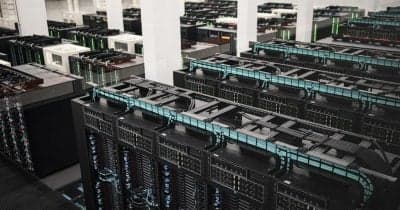
The Rio de Janeiro project will focus on developing large language models (LLMs) and is scheduled to begin operations in July 2027. Meanwhile, the Rio Grande do Norte supercomputer is projected to deliver around 7,200 petaflops, positioning it among the world's top 10 AI systems, with operations expected by the end of 2027. This phased funding approach allows for flexibility in project execution, reflecting Brazil's strategic planning in a rapidly evolving tech landscape.
The overarching goal of this investment is to enhance Brazil's data sovereignty and technological autonomy. Currently, a significant portion of Brazil's data processing—approximately 60%—is conducted abroad, which raises concerns about data security and national interests. By investing in domestic supercomputing capabilities, Brazil aims to reduce this reliance and foster a more self-sufficient tech ecosystem.
This initiative also comes at a time of heightened geopolitical tensions between the US and China, both of which are key players in the global tech arena. By partnering with firms from both countries, Brazil is navigating a complex landscape, seeking to leverage the strengths of each while mitigating risks associated with over-dependence on any single nation.
The investment is not just about building infrastructure; it's about positioning Brazil as a competitive player in the global AI landscape. As countries race to develop advanced AI capabilities, Brazil's strategic investments could lead to significant advancements in various sectors, including healthcare, agriculture, and finance, ultimately benefiting its economy and society.
Who feels it first (and how)
- Tech companies: Firms involved in AI and data processing will see new opportunities for collaboration and innovation.
- Research institutions: Universities and research centers will gain access to advanced computing resources for AI research.
- Government agencies: Enhanced data processing capabilities will improve public services and policy-making.
- Local economies: Regions hosting these supercomputing facilities may experience job growth and economic development.
What to watch next
- Project timelines: Keep an eye on the operational start dates for both supercomputing facilities, as delays could impact Brazil's tech ambitions.
- Partnership developments: Watch for announcements regarding the finalization of contracts with Nvidia and other tech firms, which will shape the project's direction.
- Geopolitical shifts: Monitor how US-China relations evolve, as they could influence Brazil's tech partnerships and investment strategies.
Brazil is investing $444.2 million in AI supercomputing infrastructure.
The Rio Grande do Norte supercomputer will rank among the world's top 10 AI systems upon completion.
The long-term impacts of this investment on Brazil's tech landscape and global positioning remain to be seen.
Frequently Asked Questions
- Why it matters?
- Brazil's commitment to AI supercomputing reflects a strategic move to enhance technological autonomy amid rising geopolitical tensions.
- What happened (in 30 seconds)?
- Brazil announced a $444.2 million investment in AI supercomputing infrastructure on August 20, 2026. The funding is split between a 1.3 billion-real project with Chinese firms in Rio de Janeiro and a 1 billion-real tender in Rio Grande do Norte expected to involve Nvidia. The initiative aims to enhance data sovereignty by reducing reliance on foreign data processing, currently at approximately 60%.
- What's really happening?
- On August 20, 2026, Brazil's President Luiz Inácio Lula da Silva unveiled a significant investment in AI supercomputing, allocating 2.3 billion reais through the National Fund for Scientific and Technological Development (FNDCT). This funding is divided between two major projects: a 1.3 billion-real facility in Rio de Janeiro, developed in partnership with Chinese firms Huawei and iFlytek, and a 1 billion-real tender in Rio Grande do Norte, which is expected to involve US firm Nvidia. The Rio d
- Who feels it first (and how)?
- Tech companies: Firms involved in AI and data processing will see new opportunities for collaboration and innovation. Research institutions: Universities and research centers will gain access to advanced computing resources for AI research. Government agencies: Enhanced data processing capabilities will improve public services and policy-making. Local economies: Regions hosting these supercomputing facilities may experience job growth and economic development.
- What to watch next?
- Project timelines: Keep an eye on the operational start dates for both supercomputing facilities, as delays could impact Brazil's tech ambitions. Partnership developments: Watch for announcements regarding the finalization of contracts with Nvidia and other tech firms, which will shape the project's direction. Geopolitical shifts: Monitor how US-China relations evolve, as they could influence Brazil's tech partnerships and investment strategies.
Curated tech headlines including AI stories.
"Influential aggregator surfacing the day’s top tech/AI links."
— A47 Editor
Brazil announces ~$444.2M in AI investments split between US and Chinese companies, including ~$250.3M for a supercomputing project with Huawei and iFlytek (Marcela Ayres/Reuters)
Brazil's government has announced an investment of approximately $444.2 million to enhance its artificial intelligence capabilities, allocating about $250.3 million for a supercomputing project in collaboration with Chinese companies Huawei and iFlyt...
Research, news, and analysis on blockchain startups, DeFi, and regulations.
"Crypto Briefing provides research, news, and analysis on blockchain startups, DeFi, and crypto regulations with investor-focused coverage."
— A47 Editor
Brazil to invest $444 million in AI infrastructure with US and China
Brazil has announced a significant investment of $444 million in artificial intelligence (AI) infrastructure, collaborating with the US and China to enhance its technological capabilities. This initiative aims to bolster Brazil's technological sovere...
Global news coverage with extensive reporting on Middle Eastern conflicts and geopolitics.
"Al Jazeera is a Qatar-based broadcaster known for wide regional coverage and alternative perspectives."
— A47 Editor
Brazil launches AI supercomputer push while balancing US and Chinese tech
The Brazilian government has announced a significant investment of approximately 2.3 billion reais ($444.2 million) aimed at enhancing the country's artificial intelligence ecosystem. This initiative is part of a broader strategy to develop advanced ...
Comprehensive coverage of Middle Eastern and global issues.
"Al Jazeera is a prominent voice from the Global South, especially the Middle East, with an emphasis on underreported stories."
— A47 Editor
Brazil launches AI supercomputer push while balancing US and Chinese tech
The Brazilian government has announced a significant investment of approximately 2.3 billion reais ($444.2 million) aimed at enhancing the country's artificial intelligence ecosystem. This initiative is part of a broader strategy to develop advanced ...