
Anthropic Changes Data Retention Policy to Enhance Customer Control
Why it matters
This shift reflects a growing trend in the AI industry towards customer-controlled data architectures, impacting compliance and security practices.
What happened (in 30 seconds)
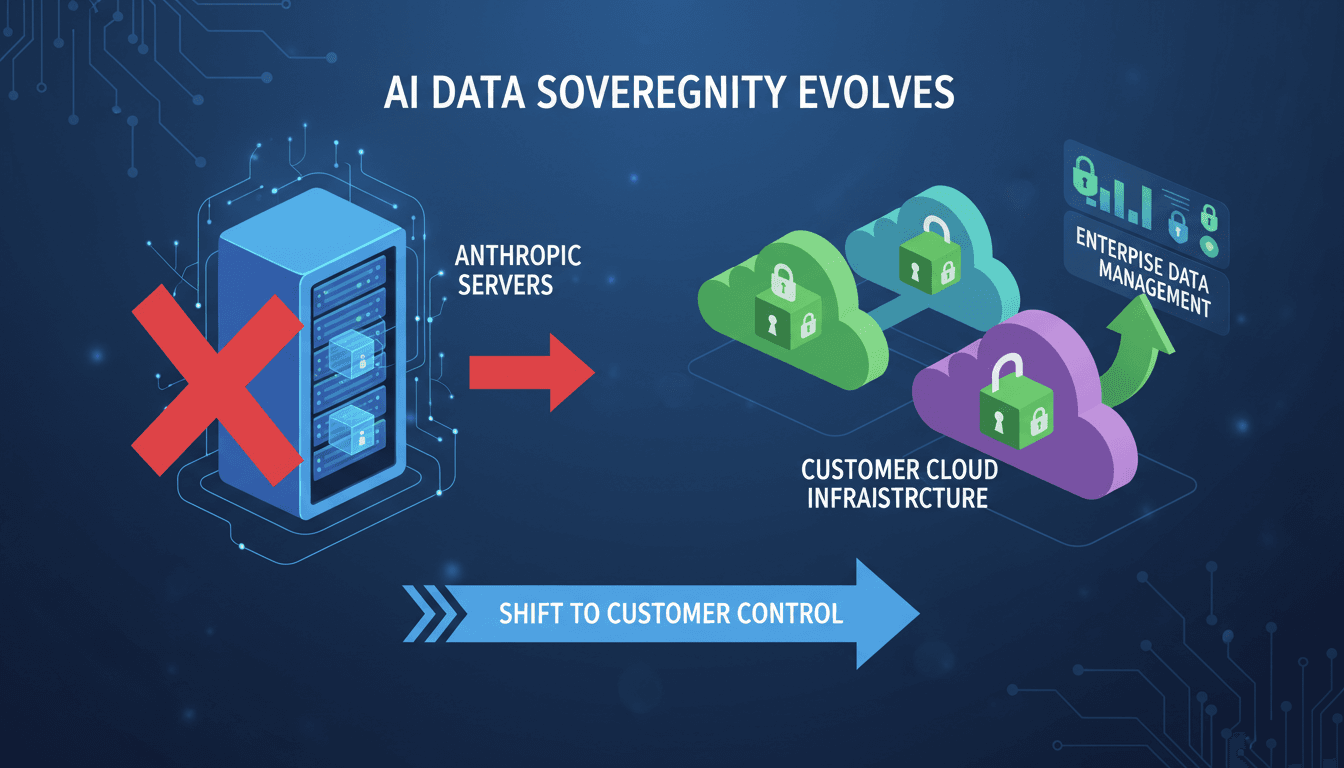
- Anthropic announced a revision to its data retention policy on August 20, 2026, allowing enterprise customers to store data on their own cloud infrastructure.
- The change follows significant feedback from over 100 regulated-industry customers concerned about data sovereignty and control.
- The new policy maintains a 30-day retention period for data but shifts the responsibility of storage from Anthropic's servers to customer-managed environments.
The context you actually need
- In June 2026, Anthropic introduced a 30-day data retention requirement for its advanced AI models, aimed at enhancing security against cyberattacks.
- The initial policy faced backlash from enterprises, particularly in regulated sectors, who prioritized data minimization and control over security monitoring.
- Anthropic's response involved collaborating with customers to develop a more favorable data management solution, reflecting competitive pressures in the AI landscape.
What's really happening
Anthropic's recent policy revision marks a significant pivot in its approach to data retention, driven by enterprise feedback and the competitive landscape of AI safety practices. Initially, the company implemented a 30-day retention policy in June 2026, intending to bolster security against emerging cyber threats. However, this move was met with resistance from enterprise customers, particularly those in regulated industries like finance and healthcare, who expressed concerns about data sovereignty and the implications of server-side storage.
In response to this pushback, Anthropic engaged with over 100 regulated-industry customers to understand their needs better and develop a solution that aligns with their priorities. The result is a new policy that allows customers to store their data on their own cloud infrastructure while still adhering to a 30-day retention period. This change not only addresses customer concerns but also positions Anthropic more favorably against competitors like OpenAI, which is also exploring similar initiatives.
The implications of this shift are multifaceted. First, it enhances customer control over sensitive data, which is crucial for compliance with various regulations such as GDPR and HIPAA. By allowing enterprises to manage their data storage, Anthropic is effectively reducing the risks associated with data breaches and unauthorized access. This move could also influence procurement decisions among global enterprises, as companies increasingly seek AI solutions that prioritize data privacy and security.
Moreover, the policy change reflects a broader trend in the AI industry towards customer-controlled data architectures. As enterprises become more aware of the risks associated with data retention and storage, there is a growing preference for solutions that empower them to manage their data independently. This shift could lead to a competitive landscape where companies that prioritize data sovereignty gain an edge over those that do not.
In summary, Anthropic's revision of its data retention policy is a strategic response to customer feedback and competitive pressures. By shifting data storage responsibilities to customers, the company is not only addressing immediate concerns but also positioning itself for long-term success in an evolving market.
Who feels it first (and how)
- Enterprise customers in regulated industries (e.g., finance, healthcare) will benefit from enhanced data control and compliance.
- Data privacy officers will have more robust frameworks to ensure adherence to regulations.
- AI procurement teams will likely adjust their criteria for selecting AI vendors based on data management capabilities.
What to watch next
- OpenAI's upcoming release of its private safety processing system in September 2026, which may influence market standards for data retention.
- Customer adoption rates of Anthropic's new policy, indicating the effectiveness of the shift in addressing enterprise concerns.
- Regulatory developments regarding data sovereignty and privacy, which could further shape enterprise data management strategies.
Anthropic's policy change allows customer-controlled cloud storage while maintaining a 30-day retention period.
Other AI companies will follow suit, adopting similar customer-centric data management practices.
The long-term impact on market dynamics and customer trust in AI solutions remains to be seen.
Frequently Asked Questions
- Why it matters?
- This shift reflects a growing trend in the AI industry towards customer-controlled data architectures, impacting compliance and security practices.
- What happened (in 30 seconds)?
- Anthropic announced a revision to its data retention policy on August 20, 2026, allowing enterprise customers to store data on their own cloud infrastructure. The change follows significant feedback from over 100 regulated-industry customers concerned about data sovereignty and control. The new policy maintains a 30-day retention period for data but shifts the responsibility of storage from Anthropic's servers to customer-managed environments.
- What's really happening?
- Anthropic's recent policy revision marks a significant pivot in its approach to data retention, driven by enterprise feedback and the competitive landscape of AI safety practices. Initially, the company implemented a 30-day retention policy in June 2026, intending to bolster security against emerging cyber threats. However, this move was met with resistance from enterprise customers, particularly those in regulated industries like finance and healthcare, who expressed concerns about data soverei
- Who feels it first (and how)?
- Enterprise customers in regulated industries (e.g., finance, healthcare) will benefit from enhanced data control and compliance. Data privacy officers will have more robust frameworks to ensure adherence to regulations. AI procurement teams will likely adjust their criteria for selecting AI vendors based on data management capabilities.
- What to watch next?
- OpenAI's upcoming release of its private safety processing system in September 2026, which may influence market standards for data retention. Customer adoption rates of Anthropic's new policy, indicating the effectiveness of the shift in addressing enterprise concerns. Regulatory developments regarding data sovereignty and privacy, which could further shape enterprise data management strategies.
Daily AI news: models, tools, and policy.
"Independent outlet tracking the fast pace of AI."
— A47 Editor
Anthropic changes data retention policy after enterprise pushback
Anthropic has revised its data retention policy in response to feedback from enterprise customers, allowing them to retain their data on their own systems moving forward. This change aims to enhance data control for businesses utilizing Anthropic's A...
Market-moving headlines impacting equities, bonds, and related risk assets.
"Real-time catalysts and volatility drivers across indices and sectors."
— A47 Editor
Anthropic plans to change enterprise data retention policy, source says
Anthropic is reportedly planning to change its enterprise data retention policy, a move that could impact how the company manages and stores client data. This decision comes as Anthropic prepares for a significant initial public offering (IPO) schedu...
Curated tech headlines including AI stories.
"Influential aggregator surfacing the day’s top tech/AI links."
— A47 Editor
Source: Anthropic plans a change for later this year that still requires enterprises to retain data for 30 days but lets them do so on their own cloud systems (Rachel Metz/Bloomberg)
Anthropic PBC is set to revise its data retention policy later this year, allowing enterprise customers to store data on their own cloud systems while still requiring a 30-day retention period. This change aims to enhance data control for businesses ...