
Uber Fined €825 Million for GDPR Violations Related to Automated Driver Suspensions
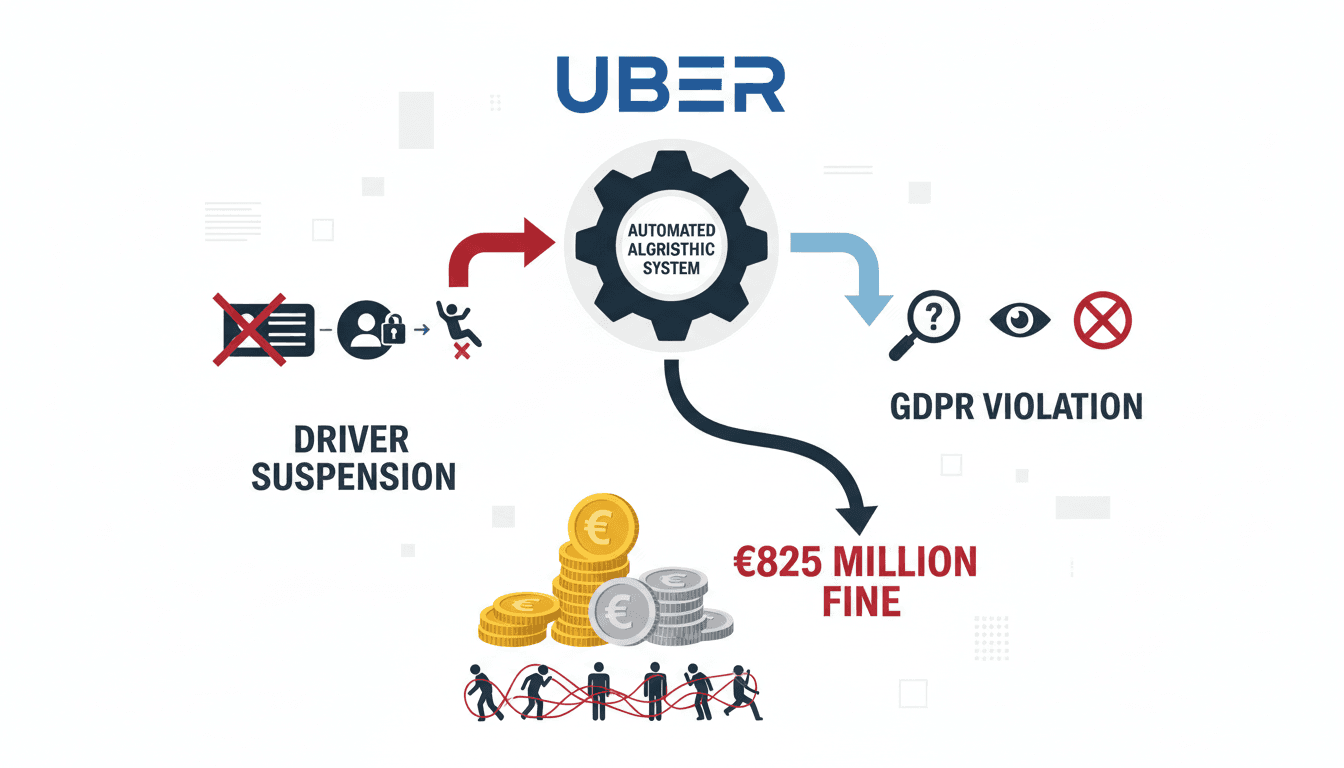
Here's what it means for you.
If you rely on gig economy platforms, this ruling could reshape how your work is managed and protected.
Why it matters
This fine highlights the urgent need for transparency and human oversight in algorithm-driven employment decisions across the gig economy.
What happened (in 30 seconds)
- On August 21, 2026, the Dutch Data Protection Authority imposed a €825 million fine on Uber for violating GDPR.
- The fine stems from complaints by over 170 drivers regarding automated account suspensions without adequate human oversight.
- Uber plans to appeal, arguing that it had human review processes in place and that the fine is disproportionate.
The context you actually need
- The case originated from collective complaints filed by drivers through French human rights organizations, emphasizing algorithmic management issues.
- Uber has faced prior fines in the Netherlands for data transparency failures and unauthorized data transfers, indicating a pattern of regulatory scrutiny.
- The investigation was led by the Dutch AP, leveraging GDPR's one-stop-shop mechanism due to Uber's EU headquarters in Amsterdam.
What's really happening
The €825 million fine imposed on Uber by the Dutch Data Protection Authority (AP) is a significant moment in the ongoing debate over the use of automated systems in employment decisions. Between 2018 and 2022, Uber's algorithms were responsible for automatically flagging and suspending drivers for various reasons, including perceived fraud or low customer ratings. These actions often resulted in permanent deactivation of drivers' accounts, which the AP determined violated GDPR Article 22, prohibiting automated individual decisions without meaningful human intervention.
The crux of the issue lies in the lack of transparency and accountability in how these automated systems operate. Drivers were not adequately informed about the reasons for their suspensions, nor were they given a fair opportunity to contest these decisions. This lack of due process raises serious concerns about the fairness of algorithmic management in the gig economy, where workers' livelihoods can be abruptly affected by opaque systems.
Uber's defense hinges on its assertion that human review processes were in place for permanent deactivations and that most suspensions were temporary, allowing drivers to appeal decisions. However, the AP's findings suggest that these safeguards were insufficient and that the automated systems operated without adequate oversight. This ruling not only imposes a hefty financial penalty on Uber but also sets a precedent for how similar cases may be handled in the future.
The implications of this ruling extend beyond Uber. It signals a growing regulatory scrutiny of AI-driven employment decisions across the EU, potentially leading to stricter regulations and oversight for other gig economy platforms. As more workers rely on these platforms for income, the demand for transparency and fairness in algorithmic management will likely intensify.
Moreover, the case underscores the broader societal implications of relying on automated systems for critical employment decisions. As companies increasingly turn to algorithms to manage their workforce, the risk of bias, discrimination, and lack of accountability becomes more pronounced. This ruling could catalyze a movement toward more responsible and ethical use of technology in the workplace, prompting companies to reevaluate their practices and implement more robust human oversight mechanisms.
Who feels it first (and how)
- Gig economy workers: Drivers and other gig workers may face increased scrutiny and changes in how their accounts are managed.
- Tech companies: Firms relying on automated systems for employment decisions may need to reassess their compliance with GDPR and other regulations.
- Regulatory bodies: Increased pressure on regulators to enforce transparency and accountability in algorithmic management practices.
What to watch next
- Potential class action lawsuits: Affected drivers may pursue legal action against Uber, which could lead to further financial repercussions for the company.
- Changes in regulatory frameworks: Watch for new regulations or guidelines from the EU regarding automated decision-making in employment.
- Uber's appeal process: The outcome of Uber's appeal could set a significant precedent for future cases involving automated employment decisions.
The fine imposed on Uber is the second-largest under GDPR, highlighting regulatory scrutiny of automated systems.
Increased regulatory oversight and potential changes in how gig economy platforms manage worker accounts.
The long-term impact on Uber's business model and whether other companies will face similar penalties.
Frequently Asked Questions
- Why it matters?
- This fine highlights the urgent need for transparency and human oversight in algorithm-driven employment decisions across the gig economy.
- What happened (in 30 seconds)?
- On August 21, 2026, the Dutch Data Protection Authority imposed a €825 million fine on Uber for violating GDPR. The fine stems from complaints by over 170 drivers regarding automated account suspensions without adequate human oversight. Uber plans to appeal, arguing that it had human review processes in place and that the fine is disproportionate.
- What's really happening?
- The €825 million fine imposed on Uber by the Dutch Data Protection Authority (AP) is a significant moment in the ongoing debate over the use of automated systems in employment decisions. Between 2018 and 2022, Uber's algorithms were responsible for automatically flagging and suspending drivers for various reasons, including perceived fraud or low customer ratings. These actions often resulted in permanent deactivation of drivers' accounts, which the AP determined violated GDPR Article 22, prohib
- Who feels it first (and how)?
- Gig economy workers: Drivers and other gig workers may face increased scrutiny and changes in how their accounts are managed. Tech companies: Firms relying on automated systems for employment decisions may need to reassess their compliance with GDPR and other regulations. Regulatory bodies: Increased pressure on regulators to enforce transparency and accountability in algorithmic management practices.
- What to watch next?
- Potential class action lawsuits: Affected drivers may pursue legal action against Uber, which could lead to further financial repercussions for the company. Changes in regulatory frameworks: Watch for new regulations or guidelines from the EU regarding automated decision-making in employment. Uber's appeal process: The outcome of Uber's appeal could set a significant precedent for future cases involving automated employment decisions.
News and guidance for IT pros on AI adoption.
"Enterprise-focused tips, explainers, and news for professionals."
— A47 Editor
Uber Fined $966M: The High Cost of Automation Without Oversight
Uber has been fined approximately $966 million by the Dutch Data Protection Authority for using automated systems that suspended driver accounts without adequate human oversight, raising serious concerns about compliance with GDPR regulations. This p...
Consumer tech news, reviews, and buying guides for gadgets and electronics.
"TechRadar is known for comprehensive buying advice, hardware reviews, and consumer tech news targeted at mainstream audiences."
— A47 Editor
'A computer should not make decisions on its own': Uber fined $1 billion for using automated systems to suspend 171 drivers
Uber has been fined €825 million (approximately $962 million) by Dutch data protection authorities for using automated systems to suspend 171 drivers without human oversight, raising concerns about compliance with the General Data Protection Regulati...
Tech news, hardware, and AI tools coverage.
"PC/tech site increasingly covering AI hardware and apps."
— A47 Editor
Uber hit with near-$1 billion fine after algorithms suspended drivers without human review
The Dutch Data Protection Authority has imposed a fine of approximately $1 billion on Uber for using automated systems that suspended drivers without human oversight between 2018 and 2022. This penalty stems from allegations that the company deactiva...