
Google Rolls Out Motion Assist Anti-Nausea Feature for Android 17 Pixel Devices
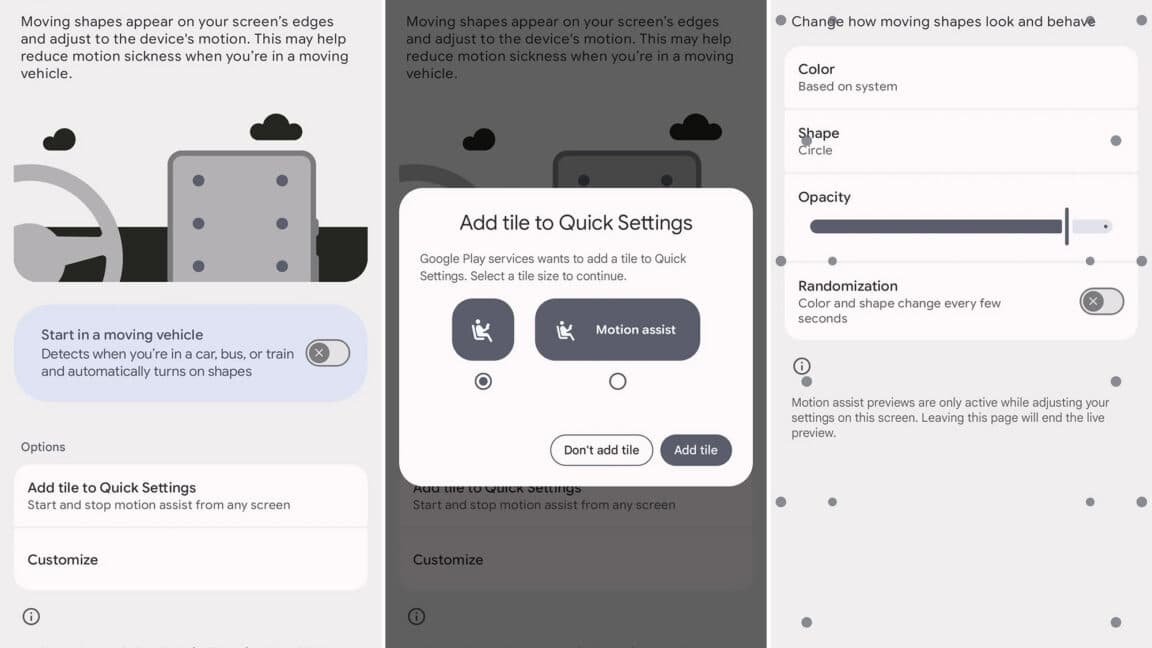
Here's what it means for you.
As mobile technology evolves, your commuting experience is set to become more comfortable and less disruptive.
The Vibe
Google's rollout of the Motion Assist feature signals a growing recognition of user comfort in mobile technology, particularly for those frequently on the move.
What it signals
This shift highlights a deeper cultural emphasis on user experience and well-being in tech design. As our lives become increasingly mobile, the demand for solutions that enhance comfort and reduce discomfort—like motion sickness—reflects a broader trend toward prioritizing health and wellness in technology. This is not just about convenience; it’s about redefining how we interact with our devices in dynamic environments, ultimately influencing our mobility and productivity.
Why it's happening now
1. The rise of remote work and flexible commuting has led to more people using devices while traveling, increasing the likelihood of motion sickness. 2. Competitors like Apple have already set a precedent with similar features, pushing Google to innovate and maintain parity in user experience. 3. The ongoing integration of technology into everyday life demands solutions that address physical discomfort, as consumers expect their devices to enhance rather than detract from their quality of life.
Who it's for (and who it leaves out)
The core beneficiaries are Android users, particularly those who frequently travel in vehicles—think commuters, ride-hailing passengers, and public transit users. However, this feature currently excludes certain older Pixel models and third-party Android devices, limiting its immediate impact.
What to watch next
1. Monitor user feedback on the effectiveness of Motion Assist, as this will shape future iterations and enhancements. 2. Watch for potential expansions of this technology to other platforms and devices, as competitors may seek to replicate or improve upon Google's offering.
Visual Directive: A sleek smartphone displaying the Motion Assist feature in action, illustrating its impact on user comfort during travel.
Google has begun a staged rollout of the Motion Assist feature on select Pixel devices.
The feature will expand to more devices and possibly influence similar developments across the Android ecosystem.
The long-term impact on user behavior and device interaction remains to be seen.
In-depth reporting on tech, policy, and science including AI.
"Respected analysis for technically savvy readers, including AI topics."
— A47 Editor
Google's anti-nausea Motion Assist dots finally rolling out on Android
Google has begun rolling out its Motion Assist feature on Android, specifically for Pixel devices running Android 17, aimed at alleviating motion sickness for users in vehicles. This feature utilizes innovative technology to enhance user comfort duri...
In-depth coverage of hardware, software, science, and policy.
"Ars Technica provides expert technology news, hardware reviews, and analysis for a technically savvy audience."
— A47 Editor
Google's anti-nausea Motion Assist dots finally rolling out on Android
Google has begun rolling out its Motion Assist feature on Android, specifically for Pixel devices running Android 17, aimed at alleviating motion sickness for users in vehicles. This feature utilizes innovative technology to enhance user comfort duri...
Arabic tech news covering startups, apps, AI, and gadgets.
"AITnews is a well-known Arabic technology outlet covering regional tech developments."
— A47 Editor
جوجل تكافح دوار الحركة في السيارات بميزة جديدة في نظام أندرويد
Google has begun rolling out a new feature in Android 17 aimed at reducing motion sickness and nausea when using a phone inside a moving vehicle. This feature, named 'Motion Assist,' mirrors Apple's 'Motion Cues' introduced for iPhones in 2024.
Curated tech headlines including AI stories.
"Influential aggregator surfacing the day’s top tech/AI links."
— A47 Editor
Google is rolling out Motion Assist, a feature to reduce motion sickness by showing visual cues on the screen, to Android 17, starting with select Pixel devices (Adamya Sharma/Android Authority)
Google has begun rolling out a new feature called Motion Assist for Android 17, aimed at reducing motion sickness by providing visual cues on the screen. This feature is initially available on select Pixel devices.
Consumer tech and culture with frequent AI coverage.
"Influential tech outlet covering AI products and policy."
— A47 Editor
Android is getting its own weird dots to cure car sickness
Google is rolling out a new feature for Android called Motion Assist, designed to reduce or eliminate motion sickness for users in moving vehicles. This feature is similar to Apple's Motion Cues, which was introduced in 2024, and is part of the Andro...
Tech news, reviews, and analysis of consumer electronics, science, art, and culture.
"The Verge is a technology-focused media outlet known for in-depth reporting, product reviews, and coverage of the intersection between technology and culture."
— A47 Editor
Android is getting its own weird dots to cure car sickness
Google is rolling out a new feature for Android called Motion Assist, designed to reduce or eliminate motion sickness for users in moving vehicles. This feature is similar to Apple's Motion Cues, which was introduced in 2024, and is part of the Andro...