
Instagram's Mosseri Reveals Low Adoption Rates of 'Take a Break' Feature During Meta Trial
Here's what it means for you.
If you're involved in digital marketing or youth engagement strategies, understanding user adoption trends is crucial for effective outreach.
Why it matters
The ongoing scrutiny of social media platforms like Instagram reveals significant challenges in promoting user well-being features among teens, impacting brand trust and user engagement.
What happened (in 30 seconds)
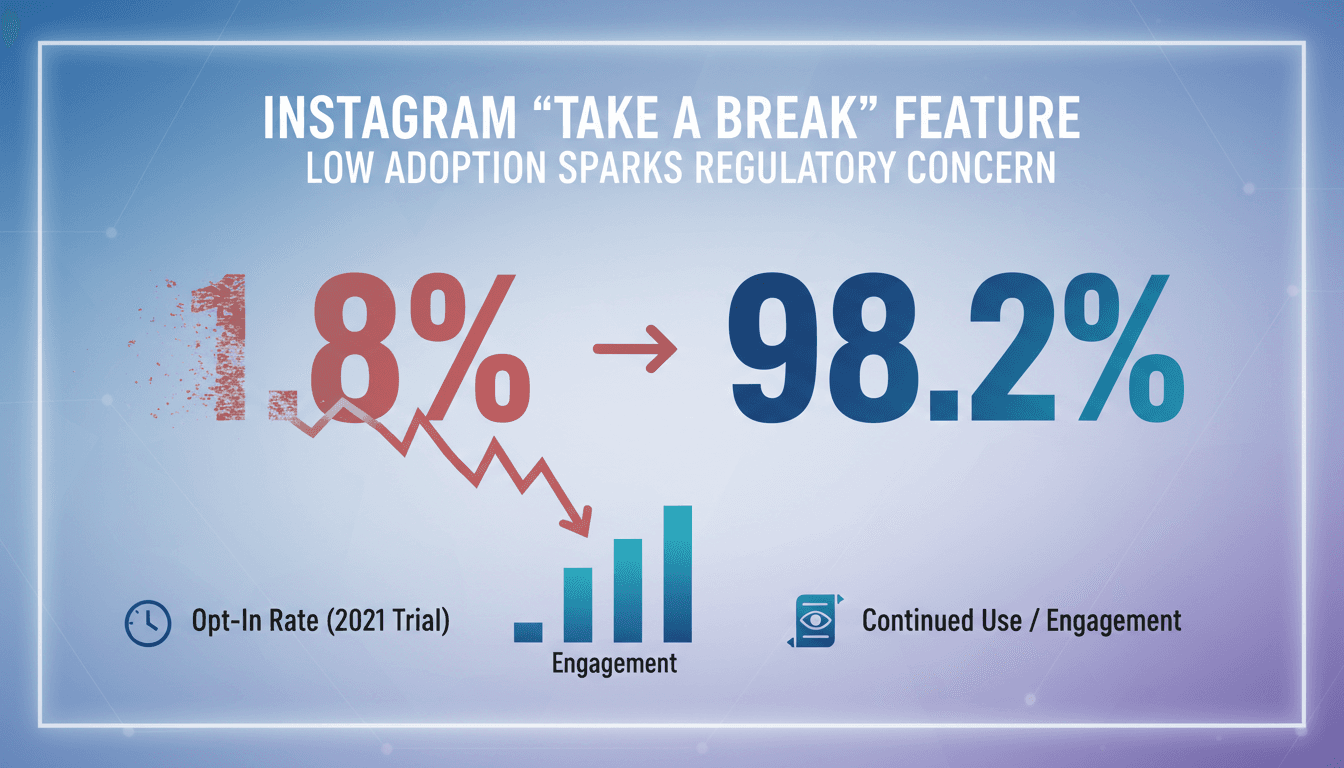
- Adam Mosseri testified that Instagram struggled to achieve meaningful adoption of the 'Take a Break' feature among teens, with initial opt-in rates at just 1.8% in 2021.
- The feature was made default for Teen Accounts in 2024 after years of low uptake, despite public claims of high retention rates among users who activated it.
- The testimony is part of a lawsuit by 29 U.S. states alleging that Meta designed its platforms to maximize engagement among minors, contributing to mental health issues.
The context you actually need
- The 'Take a Break' feature was introduced in December 2021 to help users manage their time on the platform, but initial adoption was disappointingly low.
- Public communications from Meta emphasized a 90% retention rate among users who activated the feature, without disclosing the low activation rate, leading to accusations of misleading information.
- The lawsuit highlights broader concerns about social media's impact on youth mental health, prompting increased regulatory scrutiny and calls for transparency.
What's really happening
The testimony from Adam Mosseri sheds light on the complexities of user engagement strategies within social media platforms, particularly concerning features aimed at promoting well-being. Initially launched in December 2021, the 'Take a Break' feature was designed to encourage users, especially teens, to pause their scrolling habits. However, the feature's adoption rate was alarmingly low, with only 1.8% of teens opting in during its first year. This figure starkly contrasts with the public narrative that emphasized high retention rates among those who did use the feature.
The low adoption rates can be attributed to several factors. First, the feature's opt-in nature meant that it relied on teens actively choosing to engage with it, which is a significant hurdle given the competitive nature of social media engagement. Teens are often drawn to platforms for their entertainment value, and a feature that encourages them to take breaks may not align with their immediate desires for social interaction and content consumption.
In response to the lack of initial uptake, Meta implemented various strategies to encourage adoption, including notifications and reminders. However, these efforts yielded only modest improvements, indicating that the feature may not have resonated with its intended audience. It wasn't until September 2024 that Meta made the 'Take a Break' feature a default setting for Teen Accounts, a move that reflects a shift in strategy aimed at prioritizing user well-being over engagement metrics.
The legal implications of Mosseri's testimony are significant. The ongoing lawsuit by 29 U.S. states accuses Meta of deliberately designing its platforms to maximize engagement among minors, potentially at the expense of their mental health. This scrutiny is part of a larger trend where social media companies are being held accountable for their impact on youth, leading to calls for greater transparency and regulation.
Moreover, the discrepancy between public claims and internal data raises questions about the ethical responsibilities of social media platforms. If companies like Meta are not transparent about the effectiveness of their well-being features, it could erode trust among users and regulators alike. As the trial continues, the outcomes may influence how social media companies approach user engagement and well-being features in the future.
Who feels it first (and how)
- Parents: Concerned about their children's mental health and screen time.
- Teen users: Directly impacted by the effectiveness of well-being features.
- Digital marketers: Need to adapt strategies based on user engagement trends.
- Regulators: Monitoring the implications of social media on youth mental health.
What to watch next
- Regulatory changes: Watch for potential new regulations targeting social media platforms regarding user engagement and mental health.
- User engagement metrics: Keep an eye on how adoption rates of well-being features evolve post-trial and their impact on platform usage.
- Public sentiment: Monitor shifts in public perception of social media platforms as they navigate these legal challenges and their implications for youth.
The 'Take a Break' feature had a low initial adoption rate of 1.8% among teens.
Increased regulatory scrutiny will lead to more transparency requirements for social media platforms.
The long-term impact of the trial on Meta's user engagement strategies and overall platform trust.
Frequently Asked Questions
- Why it matters?
- The ongoing scrutiny of social media platforms like Instagram reveals significant challenges in promoting user well-being features among teens, impacting brand trust and user engagement.
- What happened (in 30 seconds)?
- Adam Mosseri testified that Instagram struggled to achieve meaningful adoption of the 'Take a Break' feature among teens, with initial opt-in rates at just 1.8% in 2021. The feature was made default for Teen Accounts in 2024 after years of low uptake, despite public claims of high retention rates among users who activated it. The testimony is part of a lawsuit by 29 U.S. states alleging that Meta designed its platforms to maximize engagement among minors, contributing to mental health issues.
- What's really happening?
- The testimony from Adam Mosseri sheds light on the complexities of user engagement strategies within social media platforms, particularly concerning features aimed at promoting well-being. Initially launched in December 2021, the 'Take a Break' feature was designed to encourage users, especially teens, to pause their scrolling habits. However, the feature's adoption rate was alarmingly low, with only 1.8% of teens opting in during its first year. This figure starkly contrasts with the public nar
- Who feels it first (and how)?
- Parents: Concerned about their children's mental health and screen time. Teen users: Directly impacted by the effectiveness of well-being features. Digital marketers: Need to adapt strategies based on user engagement trends. Regulators: Monitoring the implications of social media on youth mental health.
- What to watch next?
- Regulatory changes: Watch for potential new regulations targeting social media platforms regarding user engagement and mental health. User engagement metrics: Keep an eye on how adoption rates of well-being features evolve post-trial and their impact on platform usage. Public sentiment: Monitor shifts in public perception of social media platforms as they navigate these legal challenges and their implications for youth.
Business and tech news excluding paywalled content.
"High-volume business/tech outlet with frequent AI coverage."
— A47 Editor
Adam Mosseri said Instagram struggled for years to get teens to use 'Take a Break'
Adam Mosseri, head of Instagram, testified in a trial that the platform struggled for years to encourage teenagers to use its 'Take a Break' feature, which aims to promote healthier usage habits. Initially, less than 1% of teens opted to use this too...
Curated tech headlines including AI stories.
"Influential aggregator surfacing the day’s top tech/AI links."
— A47 Editor
State AGs' trial: Adam Mosseri denies Instagram stalled by not making its "Take a Break" teen safety feature the default until nearly three years after launch (Reuters)
Adam Mosseri, head of Instagram, testified in a trial where he denied claims that the platform delayed making its 'Take a Break' feature the default setting for nearly three years after its launch. He stated that the feature was underutilized by teen...
Consumer technology news with AI coverage.
"Gadget and tech site reporting on AI in products."
— A47 Editor
Adam Mosseri says it's 'news to me' that Instagram employees limited his exposure to teen safety data
Adam Mosseri, head of Instagram, testified in a trial regarding social media addiction, stating it was 'news to me' that employees limited his access to data on teen safety. This marks a significant moment as he is the first high-profile executive to...
Covers consumer technology, electronics, gadgets, and product reviews.
"Engadget is a trusted source for gadget reviews and consumer tech news, known for its hands-on analysis and industry coverage."
— A47 Editor
Adam Mosseri says it's 'news to me' that Instagram employees limited his exposure to teen safety data
Adam Mosseri, head of Instagram, testified in a trial regarding social media addiction, stating it was 'news to me' that employees limited his access to data on teen safety. This marks a significant moment as he is the first high-profile executive to...