
Tesla Cybercab Robotaxi Launches Limited Service in Austin Amid Regulatory Challenges
Here's what it means for you.
As autonomous mobility evolves, your transportation options may soon include AI-driven robotaxis.
Why it matters
The launch of Tesla's Cybercab signals a pivotal shift in urban mobility, potentially reshaping how you navigate cities.
What happened (in 30 seconds)
- Tesla's Cybercab robotaxi entered limited commercial service on September 3, 2026, in Austin, Texas.
- Forty-five Cybercabs are now registered for operation, joining Tesla's existing robotaxi network.
- Regulatory and operational hurdles remain significant challenges for Tesla's transition to an AI-driven mobility provider.
The context you actually need
- Tesla unveiled the Cybercab prototype in October 2024, aiming for a low-cost, high-volume autonomous taxi model.
- Previous delays in Full Self-Driving timelines have raised questions about Tesla's ability to scale production and secure regulatory approval.
- The initial launch features geofenced rides, limiting the operational area and scope of the service.
What's really happening
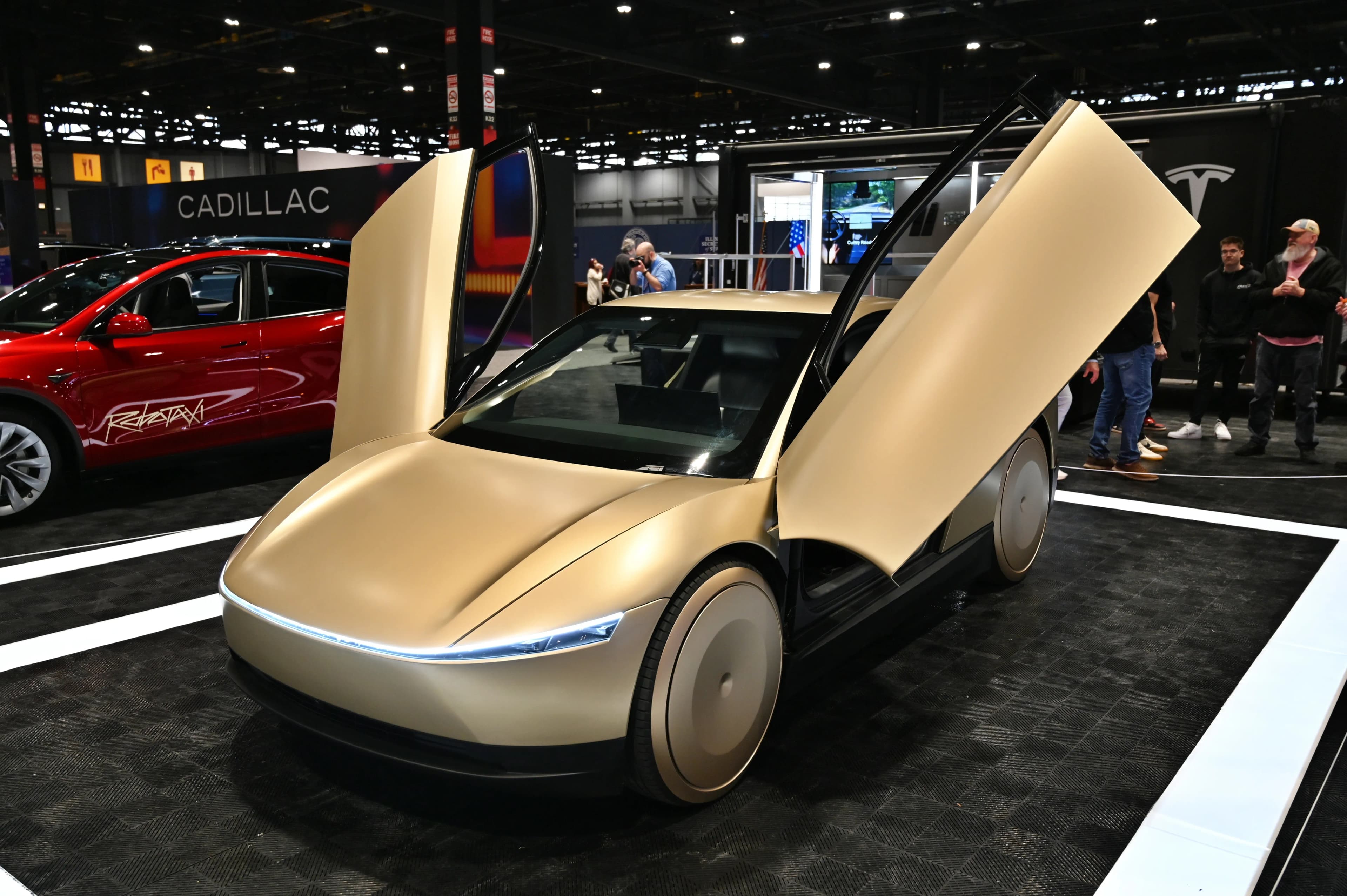
Tesla's entry into the robotaxi market with the Cybercab represents a strategic pivot from traditional vehicle manufacturing to a focus on autonomous mobility. The Cybercab, a two-seater vehicle devoid of a steering wheel or pedals, is designed to operate entirely on vision-based AI technology. This shift aligns with CEO Elon Musk's vision of transforming Tesla into a comprehensive mobility provider, leveraging AI to enhance urban transportation.
However, the launch is not without its challenges. While the construction of the Cybercab is relatively straightforward, achieving regulatory certification and unsupervised autonomy is a complex process. The vehicle's limited rollout in Austin, with only 45 units currently operational, highlights the cautious approach Tesla is taking amidst ongoing scrutiny from regulators and the public. The company has faced repeated delays in its Full Self-Driving timelines, which have raised skepticism about its ability to deliver on ambitious promises.
The initial reception of the Cybercab has been positive, with invite-only attendees praising the smooth performance during test rides. Yet, the event's low profile compared to the 2024 unveiling suggests a more tempered expectation from both the market and consumers. Observers are keenly watching how Tesla navigates the regulatory landscape, especially as competition from companies like Waymo intensifies.
The implications of this launch extend beyond Austin. As Tesla seeks to expand its robotaxi fleet, the potential for similar services to emerge in other urban areas grows. This could lead to a significant transformation in how people access transportation, particularly in densely populated cities. The integration of autonomous vehicles into public transport systems could reduce congestion, lower transportation costs, and enhance overall mobility.
Moreover, the success of the Cybercab could influence global trends in autonomous mobility. Cities like Dubai, which are investing heavily in smart-city initiatives, may eventually adopt similar low-cost robotaxi services. While no direct impact has been reported for the UAE as of September 2026, the ripple effects of Tesla's advancements could shape future transportation policies and infrastructure investments worldwide.
Who feels it first (and how)
- Urban commuters: May benefit from reduced transportation costs and increased convenience.
- Tech investors: Will closely monitor Tesla's performance and regulatory progress, impacting stock valuations.
- Local governments: Could face pressure to adapt regulations and infrastructure to accommodate autonomous vehicles.
- Public transport operators: Might need to rethink their service models in response to the rise of robotaxis.
What to watch next
- Regulatory developments: Keep an eye on how local and federal authorities respond to Tesla's operations, as this will shape the future of autonomous mobility.
- Expansion plans: Monitor Tesla's announcements regarding fleet growth and new service areas, which will indicate the company's scaling strategy.
- Market competition: Watch for advancements from competitors like Waymo, as their innovations could influence Tesla's approach and market share.
Tesla has launched the Cybercab robotaxi in Austin with 45 units operational.
Regulatory hurdles will continue to challenge Tesla's expansion efforts in the autonomous vehicle market.
The long-term impact of the Cybercab on urban transportation dynamics remains to be seen.
Frequently Asked Questions
- Why it matters?
- The launch of Tesla's Cybercab signals a pivotal shift in urban mobility, potentially reshaping how you navigate cities.
- What happened (in 30 seconds)?
- Tesla's Cybercab robotaxi entered limited commercial service on September 3, 2026, in Austin, Texas. Forty-five Cybercabs are now registered for operation, joining Tesla's existing robotaxi network. Regulatory and operational hurdles remain significant challenges for Tesla's transition to an AI-driven mobility provider.
- What's really happening?
- Tesla's entry into the robotaxi market with the Cybercab represents a strategic pivot from traditional vehicle manufacturing to a focus on autonomous mobility. The Cybercab, a two-seater vehicle devoid of a steering wheel or pedals, is designed to operate entirely on vision-based AI technology. This shift aligns with CEO Elon Musk's vision of transforming Tesla into a comprehensive mobility provider, leveraging AI to enhance urban transportation. However, the launch is not without its challenge
- Who feels it first (and how)?
- Urban commuters: May benefit from reduced transportation costs and increased convenience. Tech investors: Will closely monitor Tesla's performance and regulatory progress, impacting stock valuations. Local governments: Could face pressure to adapt regulations and infrastructure to accommodate autonomous vehicles. Public transport operators: Might need to rethink their service models in response to the rise of robotaxis.
- What to watch next?
- Regulatory developments: Keep an eye on how local and federal authorities respond to Tesla's operations, as this will shape the future of autonomous mobility. Expansion plans: Monitor Tesla's announcements regarding fleet growth and new service areas, which will indicate the company's scaling strategy. Market competition: Watch for advancements from competitors like Waymo, as their innovations could influence Tesla's approach and market share.
Consumer technology news with AI coverage.
"Gadget and tech site reporting on AI in products."
— A47 Editor
Tesla's Cybercab is under federal investigation almost immediately after hitting the streets
Tesla's Cybercab, an autonomous vehicle designed without a steering wheel, is now under federal investigation shortly after its launch. Regulators are scrutinizing the self-certification process and data used by Tesla to validate the vehicle's safety...
Covers consumer technology, electronics, gadgets, and product reviews.
"Engadget is a trusted source for gadget reviews and consumer tech news, known for its hands-on analysis and industry coverage."
— A47 Editor
Tesla's Cybercab is under federal investigation almost immediately after hitting the streets
Tesla's Cybercab, an autonomous vehicle designed without a steering wheel, is now under federal investigation shortly after its launch. Regulators are scrutinizing the self-certification process and data used by Tesla to validate the vehicle's safety...
Startup news with frequent AI coverage.
"Covers launches, funding, and product updates in AI."
— A47 Editor
Feds launch investigation into Tesla’s Cybercab deployment
The U.S. federal government has initiated an investigation into Tesla's deployment of its Cybercab, an autonomous vehicle without traditional controls, shortly after its launch in Austin, Texas. This investigation raises questions about the vehicle's...
Startup news with frequent AI coverage.
"Covers launches, funding, and product updates in AI."
— A47 Editor
The Cybercab is Tesla’s ‘fork in the road’ moment
Tesla is set to officially launch its Cybercab, a revolutionary two-seater autonomous vehicle designed without traditional controls such as a steering wheel or pedals. This launch represents a pivotal moment for the company as it ventures deeper into...
Emerging technologies, digital transformation, IT, and cultural impact of tech.
"WIRED covers the intersection of technology, culture, and politics with a progressive, forward-looking editorial stance."
— A47 Editor
The Cybercab Is Almost Here. Now Comes the Hard Part
The electric-auto maker is set to officially debut its steering-wheel-free robotaxi, known as the Cybercab, on Thursday, marking a significant milestone in autonomous vehicle technology. This development comes as the company prepares to introduce a v...