
Anthropic Launches Multi-Thread AI Orchestration in Claude Code Update
Why it matters
This redesign signals a shift towards cloud-centric development, impacting how teams collaborate on AI projects.
What happened (in 30 seconds)
- On September 17, 2026, Anthropic announced a redesign of Claude Code projects, moving from static folders to conversation-driven workspaces.
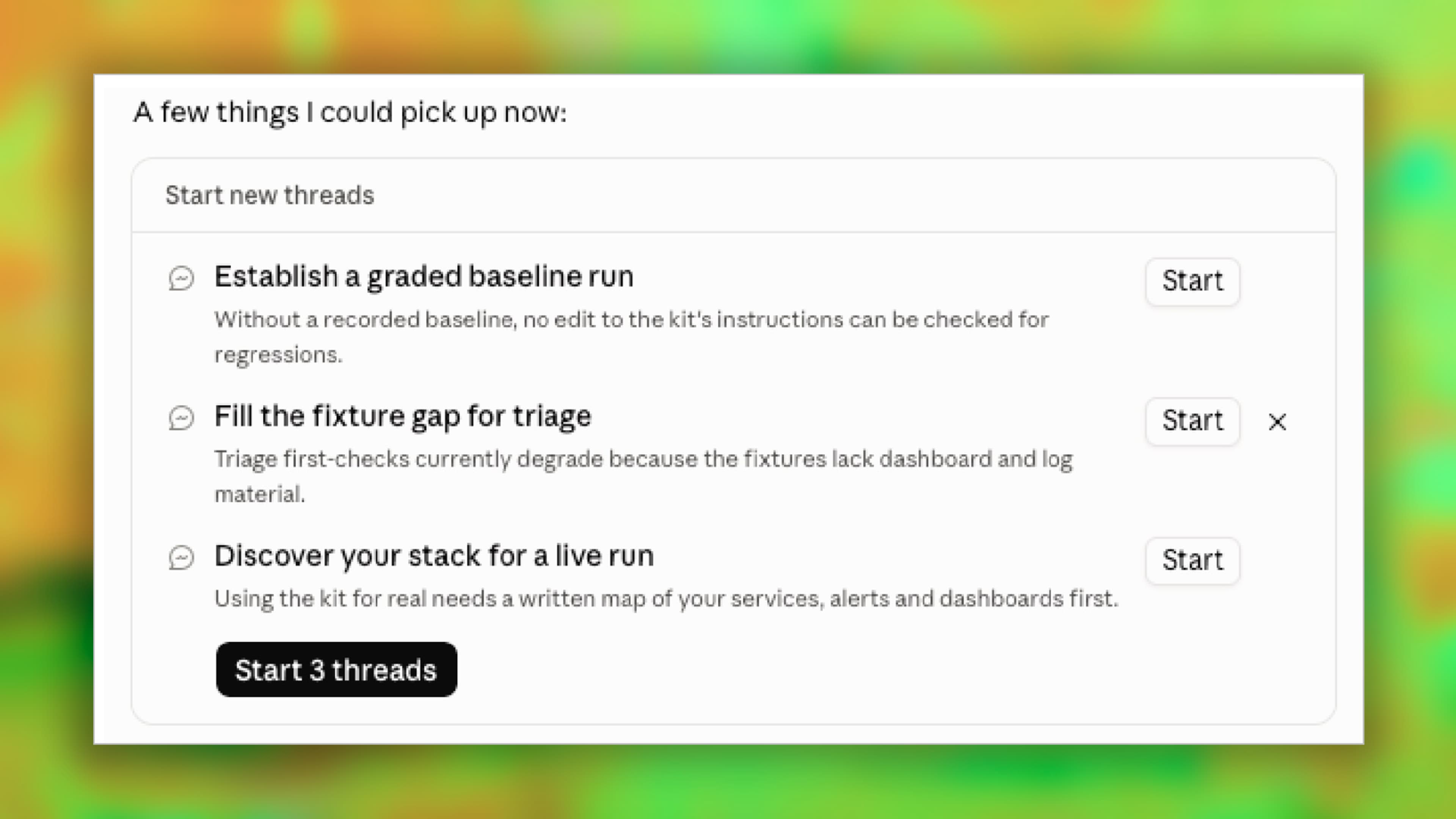
- The new system introduces a coordinator that manages tasks across multiple cloud threads, enhancing collaboration and efficiency.
- Beta access is currently limited to select Claude Pro and Max subscribers, with local execution support pending future updates.
The context you actually need
- Prior to this update, Claude Code projects operated as isolated directory-based containers, limiting collaborative potential.
- Earlier in 2026, Anthropic introduced dynamic workflows that allowed for parallel subagents, laying the groundwork for this more integrated approach.
- The redesign aims to alleviate coordination challenges faced by developers working on complex AI-assisted coding tasks.
What's really happening
On September 17, 2026, Anthropic unveiled a significant redesign of its Claude Code projects, transitioning from a traditional folder-based structure to a more dynamic, conversation-driven workspace. This shift is not merely cosmetic; it fundamentally alters how developers interact with the platform and each other. The new architecture introduces a coordinator that scopes project goals and delegates tasks to multiple cloud threads, each capable of operating independently while sharing memory and maintaining persistent execution.
This change is particularly relevant for developers engaged in complex coding workflows that require collaboration among multiple agents. By enabling the orchestration of tens to hundreds of parallel subagents, the redesign addresses a critical pain point in AI-assisted development: the manual coordination of tasks across isolated sessions. The previous model, which relied heavily on static directories, often led to inefficiencies and bottlenecks, especially in larger teams or projects with intricate dependencies.
However, the rollout is not without its trade-offs. Currently, the new features are available only to select Claude Pro and Max subscribers, effectively excluding a significant portion of existing users who rely on local desktop and terminal support. This limitation raises questions about accessibility and the potential for fragmentation within the user base. While the cloud-centric model promises enhanced capabilities for those with access, it also risks alienating users who prefer or require local execution for their workflows.
The implications of this redesign extend beyond individual developers. As teams increasingly adopt cloud-based solutions, the demand for robust, collaborative tools will likely grow. This shift could accelerate the adoption of cloud technologies in the tech sector, particularly in regions like Dubai, where developers can leverage these new capabilities to enhance their productivity and innovation. However, the initial exclusion of local workflows may hinder some developers' ability to transition smoothly to this new model, potentially creating a divide between those who can adapt quickly and those who cannot.
Who feels it first (and how)
- Cloud-based developers: They will benefit immediately from enhanced collaboration and efficiency.
- Claude Pro and Max subscribers: These users gain early access to the new features, positioning them ahead in the competitive landscape.
- Local developers: Those relying on desktop and terminal workflows may face challenges adapting to the new system.
What to watch next
- Expansion of beta access: Keep an eye on how quickly Anthropic rolls out these features to additional user tiers, as this will indicate their commitment to inclusivity.
- User feedback: Monitor reactions from the developer community regarding the usability and effectiveness of the new system, which could influence future updates.
- Market response: Watch for shifts in the competitive landscape as other AI development platforms may respond to Anthropic's changes with their own innovations.
The redesign introduces a new coordinator and cloud thread system for Claude Code projects.
The rollout will expand to more users and may include local execution support in the future.
The long-term impact on user adoption and market dynamics remains to be seen.
Frequently Asked Questions
- Why it matters?
- This redesign signals a shift towards cloud-centric development, impacting how teams collaborate on AI projects.
- What happened (in 30 seconds)?
- On September 17, 2026, Anthropic announced a redesign of Claude Code projects, moving from static folders to conversation-driven workspaces. The new system introduces a coordinator that manages tasks across multiple cloud threads, enhancing collaboration and efficiency. Beta access is currently limited to select Claude Pro and Max subscribers, with local execution support pending future updates.
- What's really happening?
- On September 17, 2026, Anthropic unveiled a significant redesign of its Claude Code projects, transitioning from a traditional folder-based structure to a more dynamic, conversation-driven workspace. This shift is not merely cosmetic; it fundamentally alters how developers interact with the platform and each other. The new architecture introduces a coordinator that scopes project goals and delegates tasks to multiple cloud threads, each capable of operating independently while sharing memory and
- Who feels it first (and how)?
- Cloud-based developers: They will benefit immediately from enhanced collaboration and efficiency. Claude Pro and Max subscribers: These users gain early access to the new features, positioning them ahead in the competitive landscape. Local developers: Those relying on desktop and terminal workflows may face challenges adapting to the new system.
- What to watch next?
- Expansion of beta access: Keep an eye on how quickly Anthropic rolls out these features to additional user tiers, as this will indicate their commitment to inclusivity. User feedback: Monitor reactions from the developer community regarding the usability and effectiveness of the new system, which could influence future updates. Market response: Watch for shifts in the competitive landscape as other AI development platforms may respond to Anthropic's changes with their own innovations.
News and guidance for IT pros on AI adoption.
"Enterprise-focused tips, explainers, and news for professionals."
— A47 Editor
Google Opens Google Home to Claude and Other AI Agents — Here’s What They Can Control
Google has expanded its Google Home platform to include Claude and other compatible AI agents, allowing them to inspect devices, review activity, and perform approved actions through the Home Model Context Protocol (MCP). This integration aims to enh...
Consumer tech and culture with frequent AI coverage.
"Influential tech outlet covering AI products and policy."
— A47 Editor
Claude Code relaunches Projects to manage multiple AI agents in the cloud
Claude Code has relaunched its Projects feature, enabling users to manage multiple AI agents in the cloud with shared memory, goals, and resources. This update allows for parallel task execution through designated threads and a coordinating system, e...
Tech news, reviews, and analysis of consumer electronics, science, art, and culture.
"The Verge is a technology-focused media outlet known for in-depth reporting, product reviews, and coverage of the intersection between technology and culture."
— A47 Editor
Claude Code relaunches Projects to manage multiple AI agents in the cloud
Claude Code has relaunched its Projects feature, enabling users to manage multiple AI agents in the cloud with shared memory, goals, and resources. This update allows for parallel task execution through designated threads and a coordinating system, e...
Enterprise-focused AI news and analysis.
"Practical AI strategies and tools for IT leaders."
— A47 Editor
Claude Code’s revised projects adds AI orchestration, but local developers must wait
Claude Code has revised its Projects feature to enhance AI orchestration, allowing developers to manage complex coding workflows by coordinating threads, sharing memory, and spanning repositories. However, these advancements are currently limited to ...
Business tech news, enterprise IT, and innovation analysis.
"ZDNet offers enterprise IT news, reviews, and strategy guidance."
— A47 Editor
Claude Code’s revised projects adds AI orchestration, but local developers must wait
Claude Code has revised its Projects feature to enhance AI orchestration, allowing developers to manage complex coding workflows by coordinating threads, sharing memory, and spanning repositories. However, these advancements are currently limited to ...