
FAA Begins Deployment of $875 Million AI System for Air Traffic Management
Why it matters
The FAA's investment in AI technology aims to modernize air traffic management, addressing chronic delays and controller shortages.
What happened (in 30 seconds)
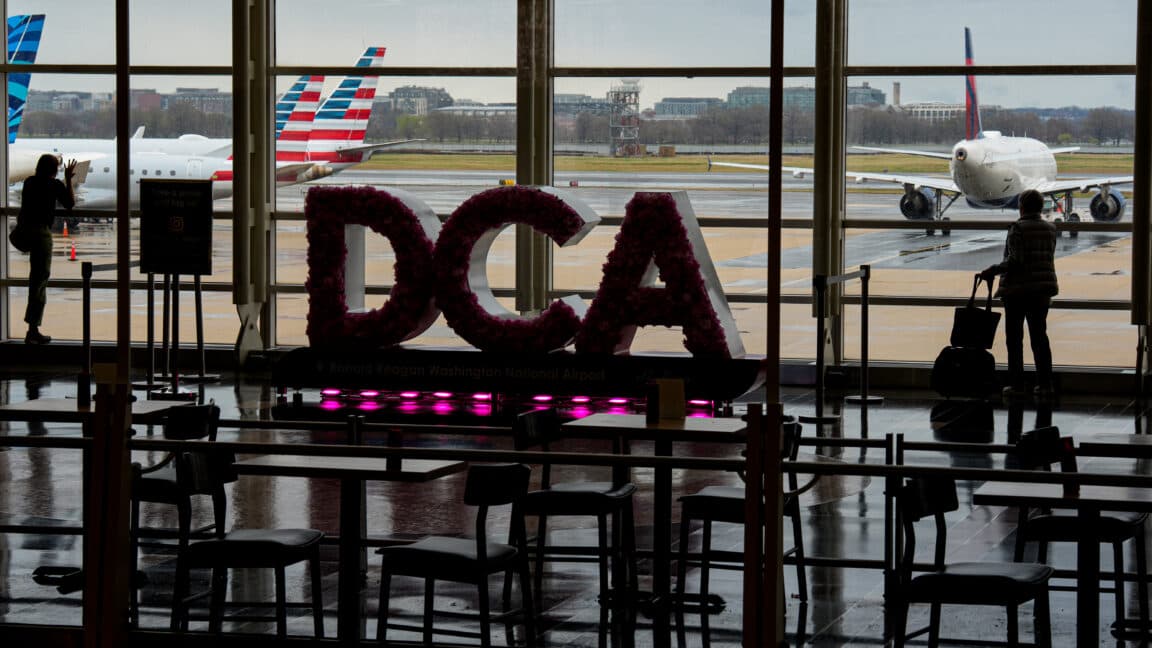
- The FAA launched the phased deployment of its $875 million SMART AI system on September 18, 2026, starting in the Washington, DC area.
- SMART will utilize data on schedules, weather, and airspace conditions to predict traffic flows and recommend alternatives to reduce congestion.
- A nationwide rollout is planned by 2028, aiming to enhance efficiency across the 29 million square miles of U.S. airspace.
The context you actually need
- Chronic shortages of air traffic controllers have plagued the FAA since the 1981 PATCO firings, exacerbated by recent workforce reductions and COVID-19 disruptions.
- Aging infrastructure has led to increased risks, highlighted by incidents like the January 2025 mid-air collision near Reagan National Airport.
- Air Space Intelligence was awarded the contract after evaluating competitors, building on its existing Flyways AI platform used by major airlines.
What's really happening
The FAA's decision to deploy the SMART AI system is a strategic response to long-standing challenges in U.S. air traffic management. With air traffic controller shortages and outdated infrastructure, the FAA has struggled to maintain efficient operations. The SMART system, which stands for Strategic Management of Airspace, Routes, and Trajectories, is designed to leverage advanced AI capabilities to predict air traffic flows and identify potential conflicts before they occur.
The $875 million contract awarded to Air Space Intelligence marks a significant investment in modernizing the air traffic control system. This system will analyze a multitude of data points, including flight schedules, weather conditions, and airport capacities, to provide real-time recommendations for air traffic management. By integrating these recommendations into existing systems, the FAA aims to enhance operational efficiency without disrupting current controller procedures.
The phased rollout, beginning in the Washington, DC metropolitan area, is a calculated approach to mitigate risks associated with the new technology. By limiting initial deployment to a specific region, the FAA can monitor the system's performance and make necessary adjustments before a nationwide expansion is attempted. This cautious strategy has garnered support from industry experts, who recognize the importance of ensuring safety and reliability in air traffic management.
As the FAA moves forward with this initiative, the implications for the airline industry and travelers are significant. Airlines are expected to benefit from reduced delays and improved scheduling, which can lead to lower operational costs and enhanced customer satisfaction. For travelers, this means a more reliable flying experience with fewer disruptions.
However, the success of the SMART system will depend on its ability to effectively integrate with existing air traffic control procedures and the willingness of air traffic controllers to adapt to new technologies. The FAA has assured stakeholders that the system will provide alternative route information without altering controller responsibilities, addressing initial concerns from the airline industry.
Who feels it first (and how)
- Air Traffic Controllers: They will experience changes in workflow as the SMART system integrates into their operations.
- Airlines: Airlines will benefit from improved scheduling and reduced delays, impacting operational efficiency and costs.
- Travelers: Frequent flyers can expect a smoother travel experience with fewer disruptions and delays.
What to watch next
- Performance Metrics: Monitor the effectiveness of the SMART system in reducing delays and improving air traffic flow in the initial deployment phase.
- Industry Feedback: Pay attention to feedback from airlines and air traffic controllers regarding the integration of the new system and its impact on operations.
- Expansion Timeline: Watch for updates on the timeline for the nationwide rollout and any adjustments based on the initial deployment results.
The FAA has initiated the deployment of the SMART AI system in the Washington, DC area.
The system will lead to improved efficiency and reduced delays in air traffic management.
The long-term impact on air traffic controller roles and the overall effectiveness of the system in diverse airspace conditions.
Frequently Asked Questions
- Why it matters?
- The FAA's investment in AI technology aims to modernize air traffic management, addressing chronic delays and controller shortages.
- What happened (in 30 seconds)?
- The FAA launched the phased deployment of its $875 million SMART AI system on September 18, 2026, starting in the Washington, DC area. SMART will utilize data on schedules, weather, and airspace conditions to predict traffic flows and recommend alternatives to reduce congestion. A nationwide rollout is planned by 2028, aiming to enhance efficiency across the 29 million square miles of U.S. airspace.
- What's really happening?
- The FAA's decision to deploy the SMART AI system is a strategic response to long-standing challenges in U.S. air traffic management. With air traffic controller shortages and outdated infrastructure, the FAA has struggled to maintain efficient operations. The SMART system, which stands for Strategic Management of Airspace, Routes, and Trajectories, is designed to leverage advanced AI capabilities to predict air traffic flows and identify potential conflicts before they occur. The $875 million c
- Who feels it first (and how)?
- Air Traffic Controllers: They will experience changes in workflow as the SMART system integrates into their operations. Airlines: Airlines will benefit from improved scheduling and reduced delays, impacting operational efficiency and costs. Travelers: Frequent flyers can expect a smoother travel experience with fewer disruptions and delays.
- What to watch next?
- Performance Metrics: Monitor the effectiveness of the SMART system in reducing delays and improving air traffic flow in the initial deployment phase. Industry Feedback: Pay attention to feedback from airlines and air traffic controllers regarding the integration of the new system and its impact on operations. Expansion Timeline: Watch for updates on the timeline for the nationwide rollout and any adjustments based on the initial deployment results.
Business and tech news excluding paywalled content.
"High-volume business/tech outlet with frequent AI coverage."
— A47 Editor
Inside airlines' panic as FAA pushed new AI tool
Airlines are expressing optimism following the Federal Aviation Administration's (FAA) introduction of a new artificial intelligence tool designed to predict airspace congestion and reduce flight delays. This initiative aims to enhance the efficiency...
In-depth reporting on tech, policy, and science including AI.
"Respected analysis for technically savvy readers, including AI topics."
— A47 Editor
FAA tees up $875M AI tool to help manage air traffic congestion
The Federal Aviation Administration (FAA) is set to introduce an $875 million artificial intelligence tool aimed at managing air traffic congestion in Washington, D.C., with plans for a nationwide rollout following its initial implementation. This in...
In-depth coverage of hardware, software, science, and policy.
"Ars Technica provides expert technology news, hardware reviews, and analysis for a technically savvy audience."
— A47 Editor
FAA tees up $875M AI tool to help manage air traffic congestion
The Federal Aviation Administration (FAA) is set to introduce an $875 million artificial intelligence tool aimed at managing air traffic congestion in Washington, D.C., with plans for a nationwide rollout following its initial implementation. This in...
Tech news, hardware, and AI tools coverage.
"PC/tech site increasingly covering AI hardware and apps."
— A47 Editor
Air traffic control assisted by AI could arrive as soon as next week
Federal aviation officials are set to launch a new AI-based air traffic control tool next week in Washington, DC, marking a significant step in modernizing air traffic management in one of the busiest air travel corridors in the United States. This i...
Startup news with frequent AI coverage.
"Covers launches, funding, and product updates in AI."
— A47 Editor
The FAA’s plan to fix air traffic? $875M worth of AI
The Federal Aviation Administration (FAA) has announced a new initiative involving an $875 million investment in artificial intelligence (AI) to enhance the capabilities of air traffic controllers, who are crucial for managing airspace safety and eff...
Coverage of national news and issues shaping the United States, including politics, economy, and society.
"The Wall Street Journal is one of the most respected financial and news publications in the U.S., known for its rigorous reporting and center-right editorial perspective."
— A47 Editor
The FAA’s $875 Million Plan to Use AI to Ease Air-Traffic Woes
The FAA has announced a significant $875 million initiative aimed at utilizing artificial intelligence to improve air traffic management, with the new tool set to launch in the Washington, D.C. area as early as Monday.