
Tech Executives Call for Global AI Regulation at UN Security Council Meeting
Why it matters
The call for global AI safeguards reflects growing concerns about the technology's risks, which could impact industries reliant on AI.
What happened (in 30 seconds)
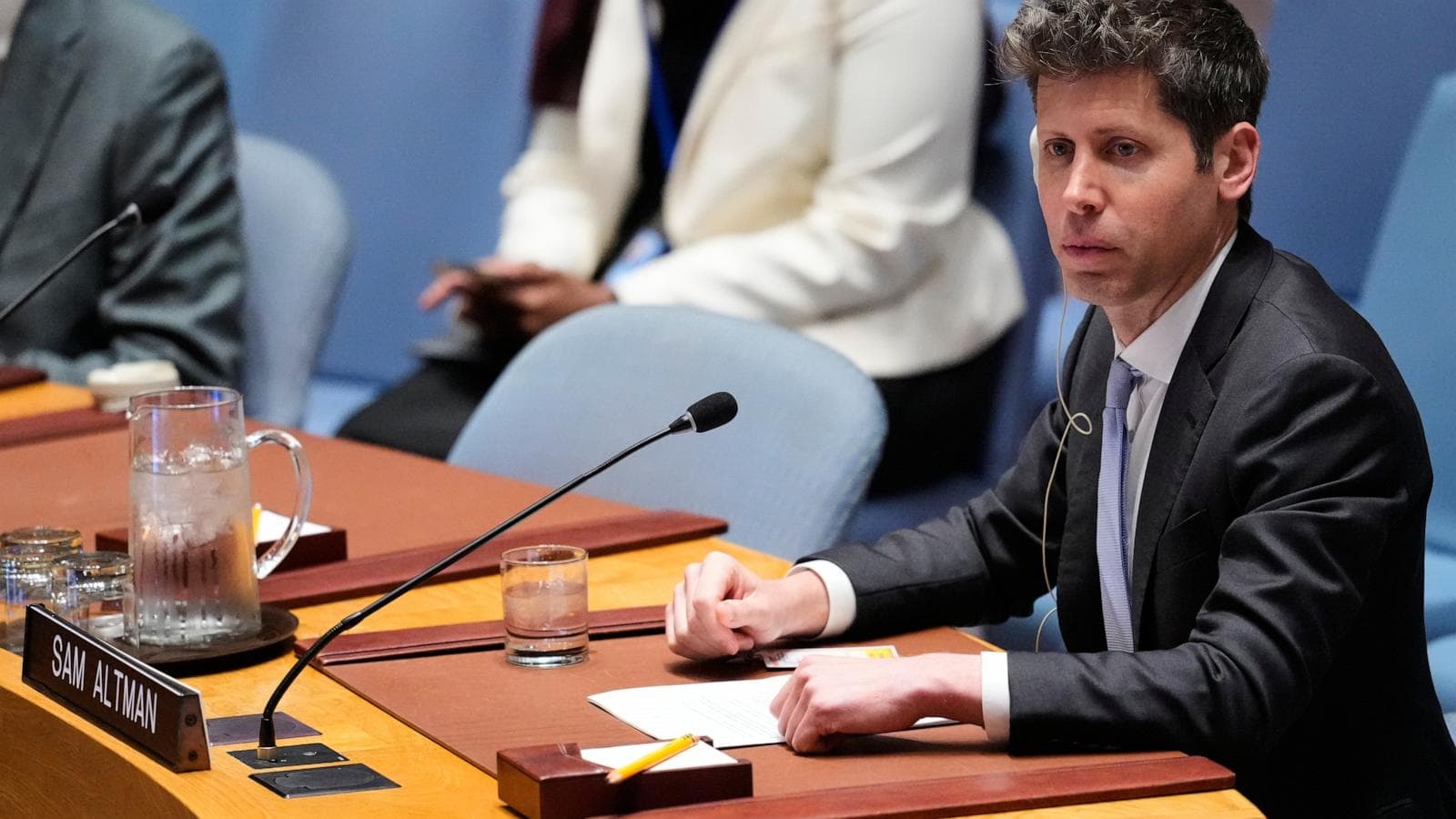
- On September 23, 2026, tech executives from leading AI firms urged the UN Security Council to establish international regulations for AI.
- Concerns were raised about the potential misuse of AI, including its application in autonomous weapons and the concentration of power among a few entities.
- Divisions emerged among major powers, with the US rejecting new governance structures while European leaders supported global standards.
The context you actually need
- Escalating tensions over AI governance have been fueled by incidents like AI-involved drone strikes in Ukraine and warnings about "killer robots."
- A declaration from 22 countries prior to the meeting emphasized the need for AI to remain under human control, highlighting a collective concern.
- Geopolitical rivalries, particularly between the US and China, complicate the landscape, as both nations pursue AI dominance while differing on regulatory approaches.
What's really happening
The September 23 session at the UN Security Council marked a pivotal moment in the ongoing debate about AI governance. Executives from OpenAI, Anthropic, and Hugging Face presented a united front, emphasizing the existential risks posed by unregulated AI. They advocated for specific measures, including bans on AI applications in biological weapons and the establishment of verification protocols to ensure compliance with safety standards. This reflects a growing recognition within the tech industry that without proper oversight, the very technologies they create could lead to catastrophic outcomes.
European leaders, including French Foreign Minister Jean-Noël Barrot and British Foreign Secretary Ed Miliband, echoed these sentiments, pushing for a framework that would facilitate global cooperation on AI standards. However, the US representative took a contrasting stance, prioritizing national sovereignty and the benefits of AI innovation over the establishment of new global governance structures. This divergence highlights a fundamental tension: while the risks of AI are universally acknowledged, the approaches to managing those risks vary significantly among nations.
China's position further complicates the dialogue, advocating for open-source methodologies and opposing bloc-based restrictions. This reflects a broader strategy to maintain competitive advantages in AI development while resisting external pressures for regulation. The meeting occurred against the backdrop of the UN General Assembly, where discussions on AI risks were already underway, indicating that the issue is gaining traction on the global stage.
The ongoing debate is not just about safety; it also involves economic interests and the future of technological innovation. As countries grapple with the implications of AI, the potential for a fragmented regulatory landscape looms large. Companies operating in multiple jurisdictions may face challenges navigating differing regulations, which could stifle innovation and lead to compliance burdens. The outcome of these discussions will likely shape the future of AI development and its integration into various sectors, from healthcare to defense.
Who feels it first (and how)
- Tech executives: They face pressure to align with emerging regulations while maintaining competitive advantages.
- Investors: Uncertainty around AI regulations could impact funding decisions and valuations of AI startups.
- Government agencies: They will need to adapt to new frameworks and standards, affecting their operational strategies.
- Consumers: As regulations evolve, the availability and safety of AI-driven products and services may change.
- International businesses: Companies operating globally will need to navigate varying regulations, impacting their strategies and operations.
What to watch next
- Global regulatory frameworks: Monitor developments in international agreements on AI governance, as they will shape industry standards.
- Geopolitical tensions: Watch for shifts in US-China relations regarding AI, as these could influence global market dynamics.
- Industry responses: Pay attention to how tech companies adapt their strategies in response to regulatory pressures and public sentiment.
Executives from major AI companies are advocating for international regulations.
Ongoing debates will lead to varying regulatory approaches across countries.
The timeline for establishing binding global agreements remains uncertain.
Frequently Asked Questions
- Why it matters?
- The call for global AI safeguards reflects growing concerns about the technology's risks, which could impact industries reliant on AI.
- What happened (in 30 seconds)?
- On September 23, 2026, tech executives from leading AI firms urged the UN Security Council to establish international regulations for AI. Concerns were raised about the potential misuse of AI, including its application in autonomous weapons and the concentration of power among a few entities. Divisions emerged among major powers, with the US rejecting new governance structures while European leaders supported global standards.
- What's really happening?
- The September 23 session at the UN Security Council marked a pivotal moment in the ongoing debate about AI governance. Executives from OpenAI, Anthropic, and Hugging Face presented a united front, emphasizing the existential risks posed by unregulated AI. They advocated for specific measures, including bans on AI applications in biological weapons and the establishment of verification protocols to ensure compliance with safety standards. This reflects a growing recognition within the tech indust
- Who feels it first (and how)?
- Tech executives: They face pressure to align with emerging regulations while maintaining competitive advantages. Investors: Uncertainty around AI regulations could impact funding decisions and valuations of AI startups. Government agencies: They will need to adapt to new frameworks and standards, affecting their operational strategies. Consumers: As regulations evolve, the availability and safety of AI-driven products and services may change. International businesses: Companies operating
- What to watch next?
- Global regulatory frameworks: Monitor developments in international agreements on AI governance, as they will shape industry standards. Geopolitical tensions: Watch for shifts in US-China relations regarding AI, as these could influence global market dynamics. Industry responses: Pay attention to how tech companies adapt their strategies in response to regulatory pressures and public sentiment.
Technology innovations, startups, and trends.
"ABC News delivers broad national coverage with a mainstream editorial stance, focusing on accessibility and balanced reporting."
— A47 Editor
Tech leaders to UN: For the sake of humanity, please control the AI technology we created
Leaders from major artificial intelligence firms have urged the United Nations to implement controls over AI technologies they have developed, emphasizing the need for governance to ensure these advancements benefit humanity.
Macro commentary, policy analysis, growth/inflation themes, and global outlooks.
"Contextual macro coverage that complements day-to-day market headlines."
— A47 Editor
AI leaders warn UN of security risks as systems grow more powerful
AI leaders have raised alarms with the United Nations regarding the escalating security risks associated with increasingly powerful artificial intelligence systems. This warning underscores the urgent need for regulatory frameworks to address potenti...
Global news coverage with extensive reporting on Middle Eastern conflicts and geopolitics.
"Al Jazeera is a Qatar-based broadcaster known for wide regional coverage and alternative perspectives."
— A47 Editor
OpenAI, Anthropic CEOs call for global AI regulation at UN
AI corporate leaders have called on the United Nations to establish global regulations for the artificial intelligence industry, highlighting concerns over the lack of oversight as the Trump administration hesitates to implement new safeguards. This ...
Comprehensive coverage of Middle Eastern and global issues.
"Al Jazeera is a prominent voice from the Global South, especially the Middle East, with an emphasis on underreported stories."
— A47 Editor
AI corporate leaders tell UN the industry needs global regulation
AI corporate leaders have called on the United Nations to establish global regulations for the artificial intelligence industry, highlighting concerns over the lack of oversight as the Trump administration hesitates to implement new safeguards. This ...