
Google Launches First Orbital AI Satellite Test for Project Suncatcher
Why it matters
This launch represents a significant step toward addressing the energy demands of AI, potentially reshaping the future of data infrastructure.
What happened (in 30 seconds)
- Google is launching an experimental satellite named MVP on October 1, 2026, to test AI processing capabilities in low Earth orbit.
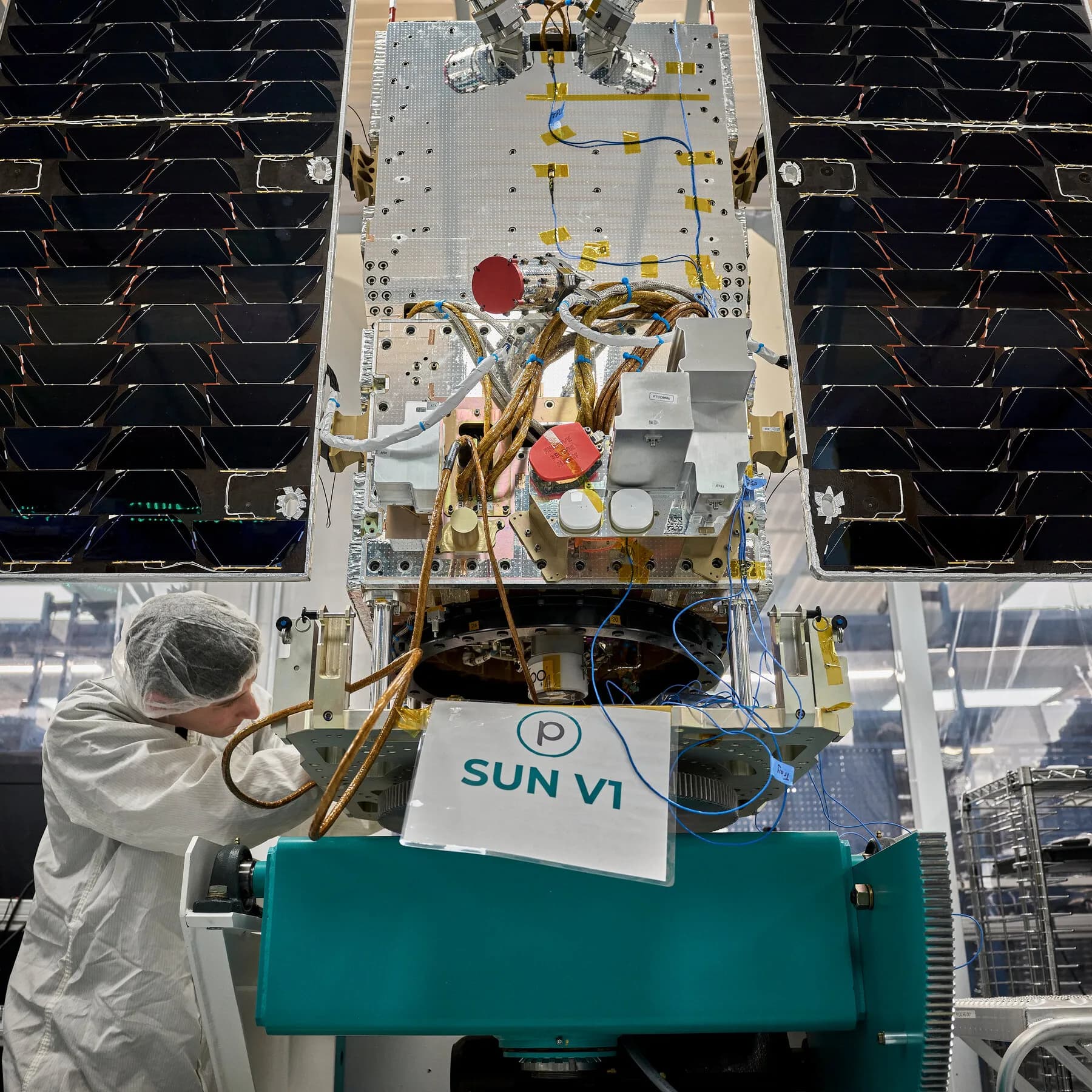
- The satellite is powered by solar energy, generating approximately one kilowatt, enough for basic AI tasks equivalent to a single data center server.
- This initiative is part of Project Suncatcher, aimed at creating scalable, solar-powered AI data centers in space to alleviate energy constraints on Earth.
The context you actually need
- Project Suncatcher was announced in late 2025 as a response to the growing energy consumption of terrestrial AI data centers.
- The MVP satellite integrates four Google Tensor Processing Units (TPUs), which have undergone rigorous testing for resilience in space conditions.
- Solar panels in low Earth orbit can generate up to eight times more power than those on Earth, reducing reliance on batteries and enhancing efficiency.
What's really happening
Google's Project Suncatcher is a forward-thinking initiative aimed at mitigating the escalating energy demands associated with artificial intelligence. As AI applications proliferate, the need for robust data processing capabilities has surged, leading to increased energy consumption in traditional data centers. This has raised concerns about sustainability and the environmental impact of AI technologies.
The MVP satellite, set to launch aboard a SpaceX Falcon 9 rocket, is a pivotal step in validating the concept of orbital AI compute. By leveraging solar energy in low Earth orbit, the satellite aims to demonstrate that AI workloads can be processed more efficiently and sustainably than on Earth. The integration of four Tensor Processing Units (TPUs) into the satellite is particularly noteworthy, as these chips are designed to handle complex machine learning tasks. The satellite's ability to operate for up to one year, with a potential lifespan of six years, allows for extensive testing of AI query processing in a space environment.
The implications of this project extend beyond mere technological innovation. If successful, Project Suncatcher could pave the way for a new era of data centers that are not only more efficient but also environmentally friendly. By harnessing the near-constant sunlight available in dawn-dusk sun-synchronous orbits, Google aims to create a scalable infrastructure that could alleviate the energy constraints currently faced by terrestrial data centers. This could lead to a significant reduction in the carbon footprint associated with AI training and inference workloads.
Moreover, the project reflects a broader trend in the tech industry toward exploring alternative energy sources and innovative computing solutions. As companies grapple with the challenges of energy consumption and sustainability, initiatives like Project Suncatcher could serve as a blueprint for future developments in AI infrastructure. The ongoing interest in orbital compute concepts indicates that Google is not alone in this pursuit; other tech giants may follow suit, further accelerating the shift toward space-based data processing.
Who feels it first (and how)
- Tech companies: They may benefit from reduced energy costs and improved processing capabilities.
- AI researchers and developers: Enhanced computational resources could accelerate innovation and experimentation.
- Environmental advocates: A shift to solar-powered data centers could align with sustainability goals.
What to watch next
- Follow-on satellite launches in 2027: These will test inter-satellite links and further validate the orbital compute concept, crucial for scalability.
- Market reactions from tech industries: Watch for shifts in investment toward space-based infrastructure as companies assess the viability of this model.
- Regulatory developments: Keep an eye on how governments respond to the implications of space-based data centers, particularly regarding energy consumption and environmental impact.
The MVP satellite is set to launch on October 1, 2026, and has completed pre-launch testing.
Successful validation of AI processing in space could lead to increased investment in orbital data centers.
The long-term impact on terrestrial data centers and energy consumption patterns remains to be seen.
Frequently Asked Questions
- Why it matters?
- This launch represents a significant step toward addressing the energy demands of AI, potentially reshaping the future of data infrastructure.
- What happened (in 30 seconds)?
- Google is launching an experimental satellite named MVP on October 1, 2026, to test AI processing capabilities in low Earth orbit. The satellite is powered by solar energy, generating approximately one kilowatt, enough for basic AI tasks equivalent to a single data center server. This initiative is part of Project Suncatcher, aimed at creating scalable, solar-powered AI data centers in space to alleviate energy constraints on Earth.
- What's really happening?
- Google's Project Suncatcher is a forward-thinking initiative aimed at mitigating the escalating energy demands associated with artificial intelligence. As AI applications proliferate, the need for robust data processing capabilities has surged, leading to increased energy consumption in traditional data centers. This has raised concerns about sustainability and the environmental impact of AI technologies. The MVP satellite, set to launch aboard a SpaceX Falcon 9 rocket, is a pivotal step in val
- Who feels it first (and how)?
- Tech companies: They may benefit from reduced energy costs and improved processing capabilities. AI researchers and developers: Enhanced computational resources could accelerate innovation and experimentation. Environmental advocates: A shift to solar-powered data centers could align with sustainability goals.
- What to watch next?
- Follow-on satellite launches in 2027: These will test inter-satellite links and further validate the orbital compute concept, crucial for scalability. Market reactions from tech industries: Watch for shifts in investment toward space-based infrastructure as companies assess the viability of this model. Regulatory developments: Keep an eye on how governments respond to the implications of space-based data centers, particularly regarding energy consumption and environmental impact.
Daily AI news: models, tools, and policy.
"Independent outlet tracking the fast pace of AI."
— A47 Editor
Google's Suncatcher project aims to put AI data centers in orbit powered by solar energy
Google's Suncatcher project is set to launch an experimental satellite on October 1, designed to operate AI infrastructure in orbit using solar energy. This fridge-sized satellite will be tested for its performance in the harsh conditions of space, m...
Consumer technology news with AI coverage.
"Gadget and tech site reporting on AI in products."
— A47 Editor
Google is sending a teensy-tiny AI data center to space
Google is launching a small AI data center into space as part of an experiment to evaluate how its chips perform in the extreme conditions of outer space. This initiative aims to test the durability and functionality of the technology beyond Earth's ...
Covers consumer technology, electronics, gadgets, and product reviews.
"Engadget is a trusted source for gadget reviews and consumer tech news, known for its hands-on analysis and industry coverage."
— A47 Editor
Google is sending a teensy-tiny AI data center to space
Google is launching a small AI data center into space as part of an experiment to evaluate how its chips perform in the extreme conditions of outer space. This initiative aims to test the durability and functionality of the technology beyond Earth's ...
Tech industry coverage with AI angles.
"Mainstream tech news intersecting with AI policy and culture."
— A47 Editor
Google Is Sending an A.I. Data Center to Outer Space
Google is set to launch an experimental satellite into orbit next Thursday, equipped with sufficient computing power to handle simple AI queries from space. This initiative involves a technician inspecting the satellite's solar panels and wiring in a...
Scientific research, space, environment, and health coverage.
"The New York Times is a globally recognized newspaper offering authoritative reporting with a center-left editorial stance."
— A47 Editor
Google Is Sending an A.I. Data Center to Outer Space
Google is set to launch an experimental satellite into orbit next Thursday, equipped with sufficient computing power to handle simple AI queries from space. This initiative involves a technician inspecting the satellite's solar panels and wiring in a...
Tech policy, trends, and innovation news.
"The New York Times is a globally recognized newspaper offering authoritative reporting with a center-left editorial stance."
— A47 Editor
Google Is Sending an A.I. Data Center to Outer Space
Google is set to launch an experimental satellite into orbit next Thursday, equipped with sufficient computing power to handle simple AI queries from space. This initiative involves a technician inspecting the satellite's solar panels and wiring in a...