
Tokyo Court Recognizes Voice as Protected Publicity Right in AI Case
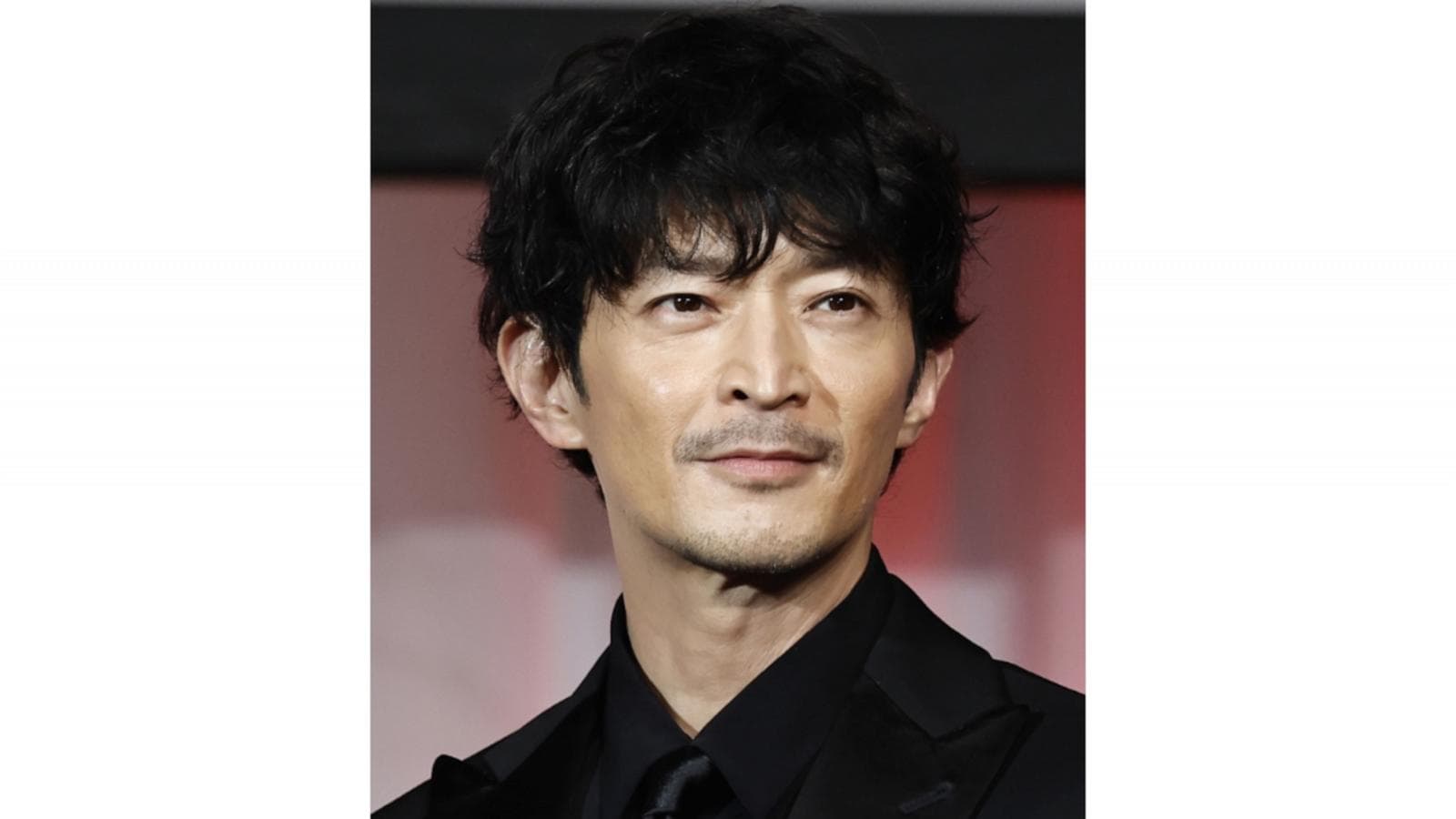
This ruling could redefine how your voice is protected in the age of AI, impacting content creators and voice actors globally.
Why it matters
This decision sets a legal precedent that could influence global standards for voice rights in the rapidly evolving AI landscape.
What happened (in 30 seconds)
- On September 30, 2026, the Tokyo District Court ruled that the human voice is protected under publicity rights in a case involving AI voice cloning.
- Voice actor Kenjiro Tsuda sued an anonymous TikTok account for using an AI-generated voice resembling his own without permission.
- The court recognized voice as a symbol of personality, affirming rights against unauthorized commercial exploitation, but denied specific relief due to the account's closure.
The context you actually need
- Voice actors in Japan have increasingly faced risks from AI technologies that clone their voices, prompting legal scrutiny.
- In 2025, Japan's Justice Ministry issued guidelines indicating that monetized use of similar voices may violate rights, reflecting growing concerns.
- International cases, such as those involving Scarlett Johansson and licensing deals by actors like Michael Caine, highlight the global tensions surrounding voice identity in entertainment.
What's really happening
The Tokyo District Court's ruling marks a significant shift in how voice rights are perceived and enforced, particularly in the context of AI-generated content. The case was initiated by Kenjiro Tsuda, who discovered that an anonymous TikTok account, known as "Nanami," had amassed over 200,000 subscribers by using an AI-generated voice that closely resembled his distinctive baritone. The account produced 188 videos narrating urban legends and paranormal topics, profiting from content that leveraged Tsuda's vocal identity without his consent.
The court's decision underscores the importance of voice as a component of personal identity, akin to portrait rights. By affirming that unauthorized commercial use of a voice constitutes an infringement of publicity rights, the ruling aligns with existing guidelines from Japan's Justice Ministry, which had previously warned against the monetization of similar voices. However, the court did not mandate the removal of the videos since the TikTok account had already been closed, leaving some ambiguity regarding the enforcement of voice rights in future cases.
This ruling is expected to deter unauthorized AI voice use and may encourage other voice actors to pursue legal claims against similar infringements. Legal experts in Japan anticipate that this case could prompt further legislative clarification on voice rights, potentially leading to more robust protections for individuals against unauthorized use of their vocal likenesses. While immediate market shifts in AI voice technology have not been reported, platforms may enhance compliance measures to avoid legal repercussions.
As generative AI tools continue to proliferate, the implications of this ruling extend beyond Japan. It could influence global content moderation standards for AI-generated media, impacting how platforms like TikTok operate in international markets, including the UAE. The ruling serves as a wake-up call for content creators and tech companies alike, highlighting the need for clear guidelines and protections surrounding voice identity in the digital age.
Who feels it first (and how)
- Voice actors: Increased protection against unauthorized use of their voices may lead to more legal claims.
- Content creators: Those using AI-generated voices may need to reassess their practices to avoid legal issues.
- Tech companies: Platforms like TikTok may enhance compliance measures to align with emerging legal standards.
What to watch next
- Legislative developments: Watch for potential new laws in Japan and other countries addressing voice rights and AI usage.
- Industry responses: Monitor how content platforms adapt their policies in light of this ruling to mitigate legal risks.
- Legal claims: Keep an eye on the number of lawsuits filed by voice actors following this precedent, which could shape the landscape of voice rights.
The Tokyo District Court has established a precedent recognizing voice as a protected publicity right.
Other voice actors may pursue legal action against unauthorized AI voice use.
The long-term impact on AI voice technology and content creation practices remains to be seen.
Frequently Asked Questions
- Why it matters?
- This decision sets a legal precedent that could influence global standards for voice rights in the rapidly evolving AI landscape.
- What happened (in 30 seconds)?
- On September 30, 2026, the Tokyo District Court ruled that the human voice is protected under publicity rights in a case involving AI voice cloning. Voice actor Kenjiro Tsuda sued an anonymous TikTok account for using an AI-generated voice resembling his own without permission. The court recognized voice as a symbol of personality, affirming rights against unauthorized commercial exploitation, but denied specific relief due to the account's closure.
- What's really happening?
- The Tokyo District Court's ruling marks a significant shift in how voice rights are perceived and enforced, particularly in the context of AI-generated content. The case was initiated by Kenjiro Tsuda, who discovered that an anonymous TikTok account, known as "Nanami," had amassed over 200,000 subscribers by using an AI-generated voice that closely resembled his distinctive baritone. The account produced 188 videos narrating urban legends and paranormal topics, profiting from content that levera
- Who feels it first (and how)?
- Voice actors: Increased protection against unauthorized use of their voices may lead to more legal claims. Content creators: Those using AI-generated voices may need to reassess their practices to avoid legal issues. Tech companies: Platforms like TikTok may enhance compliance measures to align with emerging legal standards.
- What to watch next?
- Legislative developments: Watch for potential new laws in Japan and other countries addressing voice rights and AI usage. Industry responses: Monitor how content platforms adapt their policies in light of this ruling to mitigate legal risks. Legal claims: Keep an eye on the number of lawsuits filed by voice actors following this precedent, which could shape the landscape of voice rights.
Consumer technology news with AI coverage.
"Gadget and tech site reporting on AI in products."
— A47 Editor
Japanese court rules human voices are protected in landmark AI case
A Japanese court has ruled that human voices are protected under copyright law in a significant case involving artificial intelligence. This landmark decision emphasizes the legal recognition of human contributions in the face of advancing AI technol...
Covers consumer technology, electronics, gadgets, and product reviews.
"Engadget is a trusted source for gadget reviews and consumer tech news, known for its hands-on analysis and industry coverage."
— A47 Editor
Japanese court rules human voices are protected in landmark AI case
A Japanese court has ruled that human voices are protected under copyright law in a significant case involving artificial intelligence. This landmark decision emphasizes the legal recognition of human contributions in the face of advancing AI technol...
Technology and innovation coverage, including consumer tech and digital transformation stories.
"Emirates 24|7 technology coverage often highlights practical tech developments with relevance to Gulf readers and businesses."
— A47 Editor
AI clone case: Tokyo court grants legal protection to human voices
A Tokyo court has granted legal protection to the human voice in a landmark ruling, responding to a lawsuit filed by popular anime voice actor Kenjiro Tsuda against TikTok for the unauthorized use of an AI clone of his voice. The court's decision mar...
Technology innovations, startups, and trends.
"ABC News delivers broad national coverage with a mainstream editorial stance, focusing on accessibility and balanced reporting."
— A47 Editor
Tokyo court grants legal protection to human voices in AI clone case
A Tokyo court has granted legal protection for human voices in a significant ruling related to a popular Japanese anime voice actor, marking a pivotal moment in the intersection of technology and intellectual property rights. This decision underscore...