
South Korea investigates AI-assisted cyberattacks on major banks
Why it matters
The rise of AI-assisted cyberattacks poses significant risks to financial institutions globally, impacting customer trust and regulatory frameworks.
What happened (in 30 seconds)
- South Korea launched an investigation into suspected AI-assisted cyberattacks on major banks on October 6, 2026.
- At least seven banks were affected, exposing personal data of approximately 68,000 individuals.
- President Lee Jae Myung ordered immediate security measures and the development of AI-specialized cybersecurity defenses.
The context you actually need
- AI tools are increasingly used in cyberattacks, automating processes like vulnerability scanning and attack path development.
- This incident marks a significant escalation in the sophistication of cyber threats targeting financial systems, with prior breaches lacking AI involvement.
- The attacks were traced to the Chinese-developed ARTEX AI tool, indicating a new frontier in cyber warfare.
What's really happening
The recent cyberattacks on South Korean banks represent a pivotal moment in the intersection of artificial intelligence and cybersecurity. As financial institutions increasingly rely on digital infrastructures, they become prime targets for sophisticated cybercriminals. The attacks, which began surfacing in late September 2026, have raised alarms about the potential for AI to enhance the effectiveness of cyberattacks.
Investigators have identified the use of the ARTEX AI tool, which automates penetration testing and can integrate with advanced models from companies like OpenAI and Anthropic. This capability allows attackers to exploit vulnerabilities more efficiently than ever before. The implications are profound: as AI technology becomes more accessible, the barrier to entry for cybercriminals lowers, enabling even small groups to launch large-scale attacks.
The South Korean government, led by President Lee Jae Myung, has responded swiftly, emphasizing the need for enhanced cybersecurity measures. The Financial Supervisory Service has mandated that banks complete security checks by October 10, 2026, reflecting the urgency of the situation. Shares in South Korean cybersecurity firms surged by up to 30% on the day of the announcement, indicating a market response to the heightened demand for security solutions.
Moreover, the investigation has revealed that the attacks originated from IP addresses across multiple countries, highlighting the global nature of cyber threats. This necessitates international cooperation to trace and mitigate the risks associated with AI-driven cyberattacks. The financial sector must now grapple with the dual challenge of protecting customer data while navigating the complexities introduced by AI technologies.
As the investigation unfolds, the focus will likely shift towards developing robust AI-specialized defenses. The financial industry must adapt to this new reality, where AI is not just a tool for innovation but also a weapon in the hands of cybercriminals. The need for proactive measures, including employee training and advanced threat detection systems, will be paramount in safeguarding sensitive information.
Who feels it first (and how)
- Banking customers: Individuals whose data has been exposed face risks of identity theft and fraud.
- Financial institutions: Banks must invest in enhanced cybersecurity measures to restore customer trust and comply with regulatory demands.
- Cybersecurity firms: Increased demand for AI-driven security solutions may lead to growth opportunities in this sector.
What to watch next
- Regulatory changes: Watch for new regulations aimed at enhancing cybersecurity protocols in the financial sector, which could reshape compliance requirements.
- Market response: Monitor the performance of cybersecurity firms as they adapt to the increased demand for AI-driven security solutions.
- International cooperation: Observe how countries collaborate to address the global nature of cyber threats, potentially leading to new frameworks for cybersecurity.
The attacks have exposed personal data of approximately 68,000 individuals across multiple banks.
Financial institutions will enhance their cybersecurity measures and invest in AI-specialized defenses.
The full extent of the damage and the long-term implications for customer trust in the banking sector remain to be seen.
Frequently Asked Questions
- Why it matters?
- The rise of AI-assisted cyberattacks poses significant risks to financial institutions globally, impacting customer trust and regulatory frameworks.
- What happened (in 30 seconds)?
- South Korea launched an investigation into suspected AI-assisted cyberattacks on major banks on October 6, 2026. At least seven banks were affected, exposing personal data of approximately 68,000 individuals. President Lee Jae Myung ordered immediate security measures and the development of AI-specialized cybersecurity defenses.
- What's really happening?
- The recent cyberattacks on South Korean banks represent a pivotal moment in the intersection of artificial intelligence and cybersecurity. As financial institutions increasingly rely on digital infrastructures, they become prime targets for sophisticated cybercriminals. The attacks, which began surfacing in late September 2026, have raised alarms about the potential for AI to enhance the effectiveness of cyberattacks. Investigators have identified the use of the ARTEX AI tool, which automates p
- Who feels it first (and how)?
- Banking customers: Individuals whose data has been exposed face risks of identity theft and fraud. Financial institutions: Banks must invest in enhanced cybersecurity measures to restore customer trust and comply with regulatory demands. Cybersecurity firms: Increased demand for AI-driven security solutions may lead to growth opportunities in this sector.
- What to watch next?
- Regulatory changes: Watch for new regulations aimed at enhancing cybersecurity protocols in the financial sector, which could reshape compliance requirements. Market response: Monitor the performance of cybersecurity firms as they adapt to the increased demand for AI-driven security solutions. International cooperation: Observe how countries collaborate to address the global nature of cyber threats, potentially leading to new frameworks for cybersecurity.
Capitol Hill news, legislation, and policy insight.
"The Hill specializes in U.S. politics and policy, with a focus on Capitol Hill developments and a reputation for insider reporting."
— A47 Editor
President of South Korea believes AI models were used in bank hacks
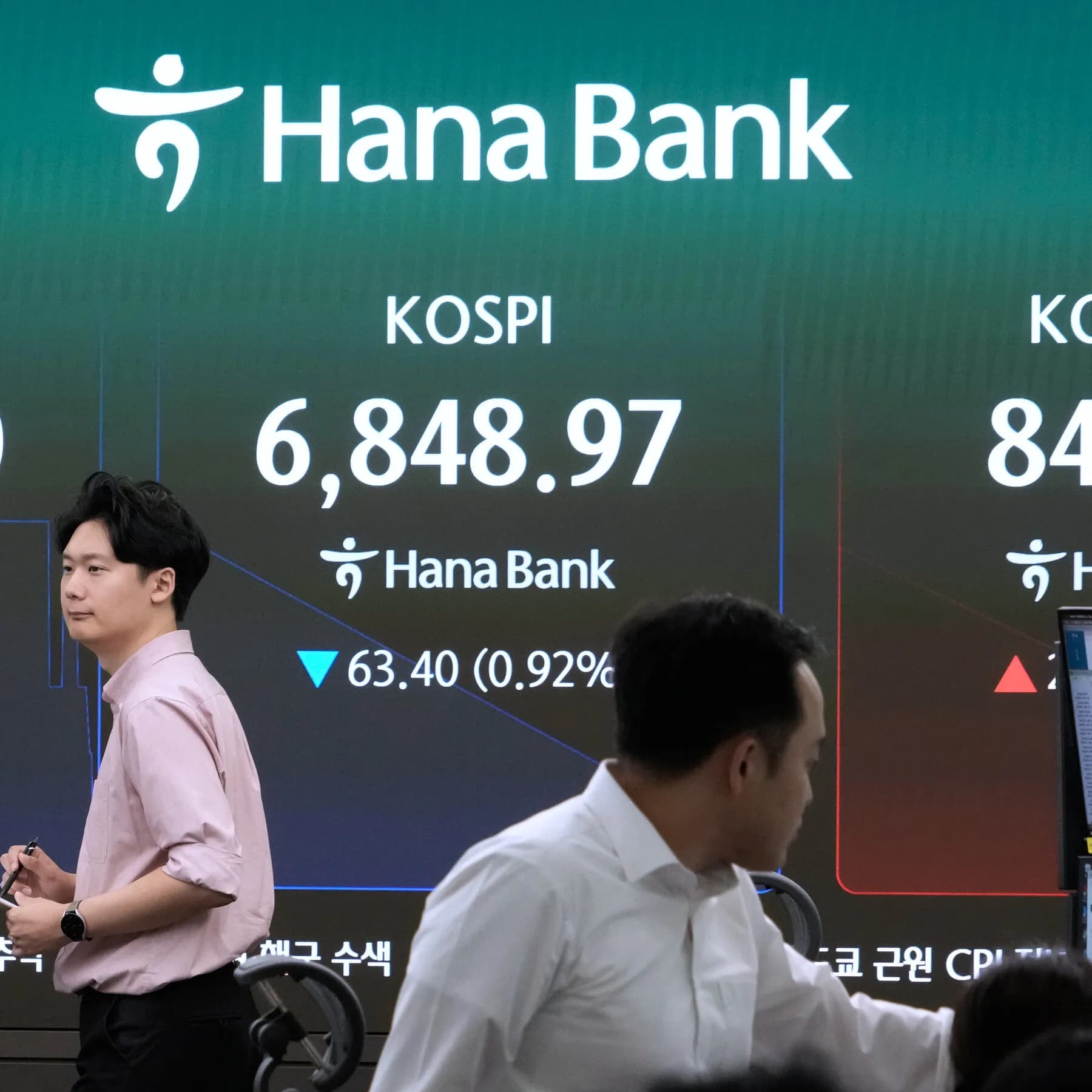
South Korean President Lee Jae Myung stated that he believes artificial intelligence models were utilized in recent hacks targeting several commercial banks, including Hana Bank, KB Kookmin Bank, and Shinhan. He called for a thorough investigation du...
Latest AI/ML research news and breakthroughs.
"Aggregated research highlights across institutions."
— A47 Editor
South Korea warns of possible AI use in banking hacks
South Korea's president has warned that artificial intelligence may have been utilized in a series of cyberattacks targeting the financial sector, prompting police to initiate an investigation into the incidents.
Global political, business, and cultural coverage from WSJ international desks.
"The Wall Street Journal offers extensive international reporting with a reputation for financial insight and a center-right editorial stance."
— A47 Editor
Hackers Use Chinese AI Tool to Hit South Korean Banks, Exposing New Risk
Hackers have utilized a Chinese AI tool to launch attacks on South Korean banks, underscoring the growing vulnerability of even well-protected financial institutions to cyber threats. These incidents highlight the ease with which malicious actors can...
Tech industry coverage with AI angles.
"Mainstream tech news intersecting with AI policy and culture."
— A47 Editor
South Korea Investigates Possible Use of A.I. in Hackings on Its Banks
South Korea is investigating the potential use of artificial intelligence in recent cyberattacks on its banks, including Hana Bank, which has been affected by breaches involving customer data. The president indicated that there are signs suggesting A...
Markets, economy, and company analysis from NYT’s business desk.
"The New York Times is a globally recognized newspaper offering authoritative reporting with a center-left editorial stance."
— A47 Editor
South Korea Investigates Possible Use of A.I. in Hackings on Its Banks
South Korea is investigating the potential use of artificial intelligence in recent cyberattacks on its banks, including Hana Bank, which has been affected by breaches involving customer data. The president indicated that there are signs suggesting A...
Tech policy, trends, and innovation news.
"The New York Times is a globally recognized newspaper offering authoritative reporting with a center-left editorial stance."
— A47 Editor
South Korea Investigates Possible Use of A.I. in Hackings on Its Banks
South Korea is investigating the potential use of artificial intelligence in recent cyberattacks on its banks, including Hana Bank, which has been affected by breaches involving customer data. The president indicated that there are signs suggesting A...