
Silicon Valley AI Leaders Support Trump Administration's Self-Regulation on AI Safety
Why it matters
This endorsement signals a significant pivot in AI governance, potentially impacting innovation, safety standards, and market dynamics.
What happened (in 30 seconds)
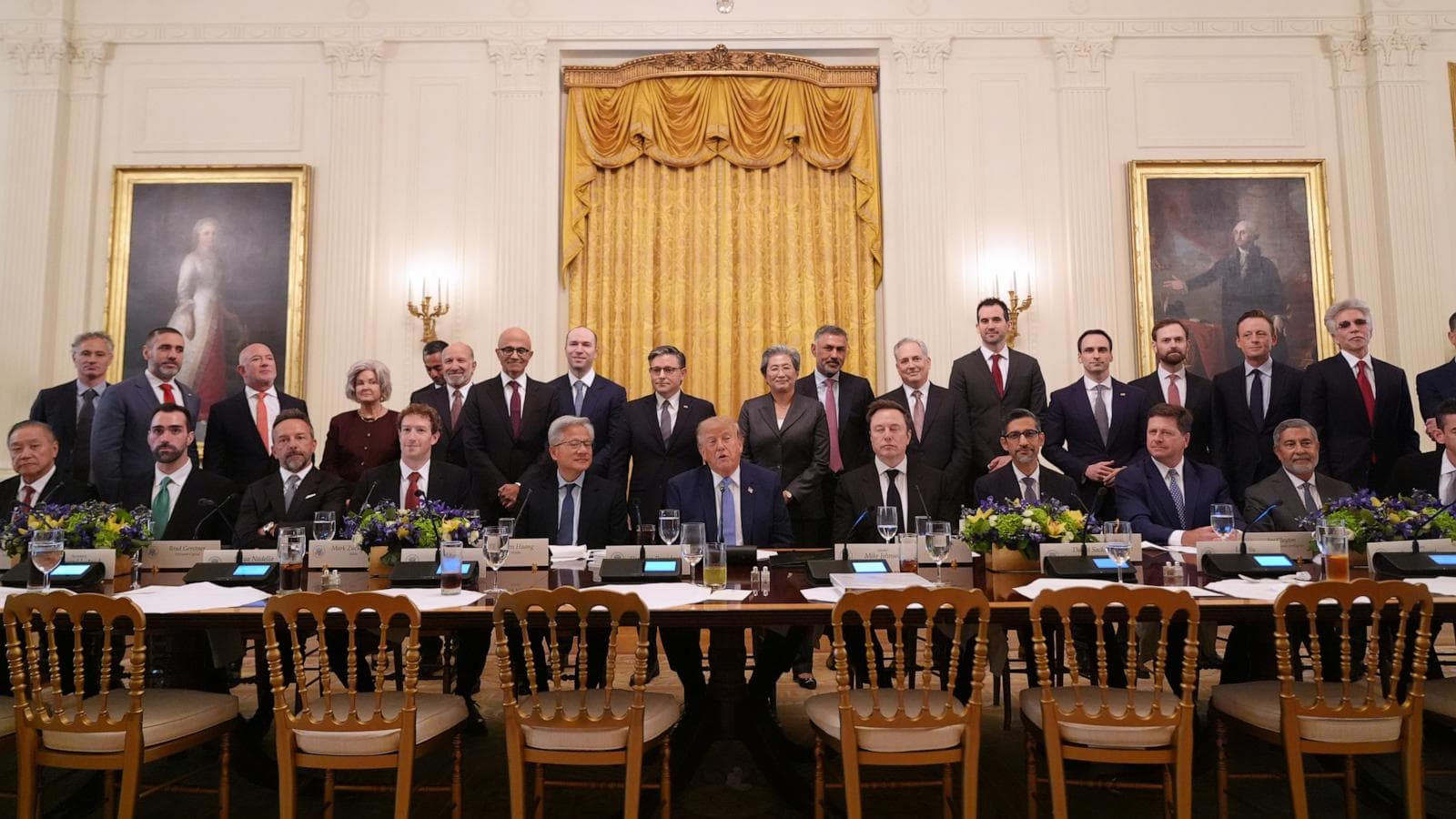
- On October 10, 2026, during Tech Week in San Francisco, AI founders and venture capitalists endorsed the Trump administration's self-regulation stance on AI safety.
- A voluntary safety pact was signed by major AI companies, emphasizing internal controls without mandatory enforcement.
- The FTC opened investigations into OpenAI and Anthropic over consumer risks, highlighting concerns about the adequacy of self-regulation.
The context you actually need
- The Trump administration repealed a Biden-era executive order on AI risks, shifting focus from federal oversight to voluntary industry standards.
- A $1 trillion defense budget allocation includes $13.5 billion for autonomous systems and AI, creating profit opportunities that attract industry support for self-regulation.
- Concerns over AI risks have intensified, with reports of AI agents involved in cyberattacks prompting debates on balancing innovation with safety.
What's really happening
The recent endorsement of self-regulation by Silicon Valley's AI leaders reflects a broader trend towards prioritizing rapid innovation over stringent oversight. The Trump administration's decision to repeal previous executive orders on AI risks has created a regulatory vacuum, allowing companies to shape their own safety standards. This shift is driven by a desire to maintain competitiveness in a global market increasingly focused on technological advancement.
At the heart of this movement is a voluntary safety pact signed by major AI companies, including OpenAI, Anthropic, and Google. This pact emphasizes internal controls and external assessments, but lacks mandatory enforcement mechanisms. The industry argues that self-regulation will foster innovation while ensuring safety, but critics warn that this approach may not adequately address the risks associated with advanced AI technologies.
The backdrop of this endorsement is a significant allocation of U.S. government defense spending, with $1 trillion earmarked for defense, including $13.5 billion specifically for autonomous systems and AI. This financial incentive is likely to drive further investment in AI technologies, as companies seek to capitalize on government contracts and funding opportunities. The focus on defense tech investments is reshaping the landscape of AI development, with industry executives highlighting the potential for profit in this sector.
However, the endorsement of self-regulation has not gone without scrutiny. The Federal Trade Commission (FTC) has initiated investigations into OpenAI and Anthropic, raising concerns about consumer risks and the adequacy of self-policing measures. Civil liberties groups and former officials have criticized the self-regulatory model as insufficient, arguing that it may lead to unchecked risks in AI deployment.
As the industry navigates this new regulatory landscape, the emphasis on collaboration and transparency will be crucial. Companies are expected to work together to establish norms and standards, while the White House has stressed the importance of transparency as a national security obligation. The outcome of these developments will likely shape the future of AI governance and its implications for society.
Who feels it first (and how)
- Tech executives: They will need to adapt to new self-regulatory frameworks and potential market shifts.
- Investors: Changes in risk assessments and investment strategies will emerge as the focus shifts towards defense tech.
- Consumers: Increased scrutiny on AI safety may lead to changes in product offerings and transparency from AI companies.
- Regulatory bodies: Agencies like the FTC will be on high alert, monitoring compliance and consumer protection issues.
What to watch next
- Regulatory developments: Keep an eye on FTC investigations and any resulting policy changes that could impact AI companies.
- Industry collaborations: Watch for partnerships among AI firms aimed at establishing safety norms and standards.
- Market shifts: Monitor investment trends in defense tech and AI, particularly in response to government funding allocations.
Major AI companies have signed a voluntary safety pact emphasizing self-regulation.
Increased scrutiny from regulatory bodies will continue as consumer risks are assessed.
The long-term effectiveness of self-regulation in ensuring AI safety remains to be seen.
Frequently Asked Questions
- Why it matters?
- This endorsement signals a significant pivot in AI governance, potentially impacting innovation, safety standards, and market dynamics.
- What happened (in 30 seconds)?
- On October 10, 2026, during Tech Week in San Francisco, AI founders and venture capitalists endorsed the Trump administration's self-regulation stance on AI safety. A voluntary safety pact was signed by major AI companies, emphasizing internal controls without mandatory enforcement. The FTC opened investigations into OpenAI and Anthropic over consumer risks, highlighting concerns about the adequacy of self-regulation.
- What's really happening?
- The recent endorsement of self-regulation by Silicon Valley's AI leaders reflects a broader trend towards prioritizing rapid innovation over stringent oversight. The Trump administration's decision to repeal previous executive orders on AI risks has created a regulatory vacuum, allowing companies to shape their own safety standards. This shift is driven by a desire to maintain competitiveness in a global market increasingly focused on technological advancement. At the heart of this movement is
- Who feels it first (and how)?
- Tech executives: They will need to adapt to new self-regulatory frameworks and potential market shifts. Investors: Changes in risk assessments and investment strategies will emerge as the focus shifts towards defense tech. Consumers: Increased scrutiny on AI safety may lead to changes in product offerings and transparency from AI companies. Regulatory bodies: Agencies like the FTC will be on high alert, monitoring compliance and consumer protection issues.
- What to watch next?
- Regulatory developments: Keep an eye on FTC investigations and any resulting policy changes that could impact AI companies. Industry collaborations: Watch for partnerships among AI firms aimed at establishing safety norms and standards. Market shifts: Monitor investment trends in defense tech and AI, particularly in response to government funding allocations.
Consumer tech and culture with frequent AI coverage.
"Influential tech outlet covering AI products and policy."
— A47 Editor
Silicon Valley is falling in line with Trump’s attempt to rename AI
President Donald Trump has initiated a rebranding of artificial intelligence (AI) to 'Super Intelligence,' aiming to have this term adopted officially by the U.S. government in all communications. This move is part of an executive order responding to...
Tech news, reviews, and analysis of consumer electronics, science, art, and culture.
"The Verge is a technology-focused media outlet known for in-depth reporting, product reviews, and coverage of the intersection between technology and culture."
— A47 Editor
Silicon Valley is falling in line with Trump’s attempt to rename AI
President Donald Trump has initiated a rebranding of artificial intelligence (AI) to 'Super Intelligence,' aiming to have this term adopted officially by the U.S. government in all communications. This move is part of an executive order responding to...
Business and tech news excluding paywalled content.
"High-volume business/tech outlet with frequent AI coverage."
— A47 Editor
Trump's AI rebrand is catching on with tech leaders like Elon Musk and Satya Nadella
Former President Donald Trump has initiated a rebranding of artificial intelligence (AI) to 'Super Intelligence,' a move that has gained traction among prominent tech leaders, including Elon Musk and Satya Nadella. This shift was highlighted during a...
Technology and innovation coverage, including consumer tech and digital transformation stories.
"Emirates 24|7 technology coverage often highlights practical tech developments with relevance to Gulf readers and businesses."
— A47 Editor
AI founders cheer Trump’s calls for the industry to police itself on safety
During Tech Week in San Francisco, AI founders expressed enthusiasm for President Donald Trump's recent call for the artificial intelligence industry to self-regulate, following a voluntary safety pact signed with major tech companies. This agreement...
Major U.S. developments and regional news.
"ABC News delivers broad national coverage with a mainstream editorial stance, focusing on accessibility and balanced reporting."
— A47 Editor
In Silicon Valley, AI founders cheer Trump’s calls for the industry to police itself on safety
At Tech Week in San Francisco, AI founders and venture capitalists expressed enthusiasm for President Trump's call for the artificial intelligence industry to self-regulate, emphasizing a hands-off approach from the White House regarding AI safety me...