
Microsoft Calls for AI Safety Regulations Comparable to Consumer Products
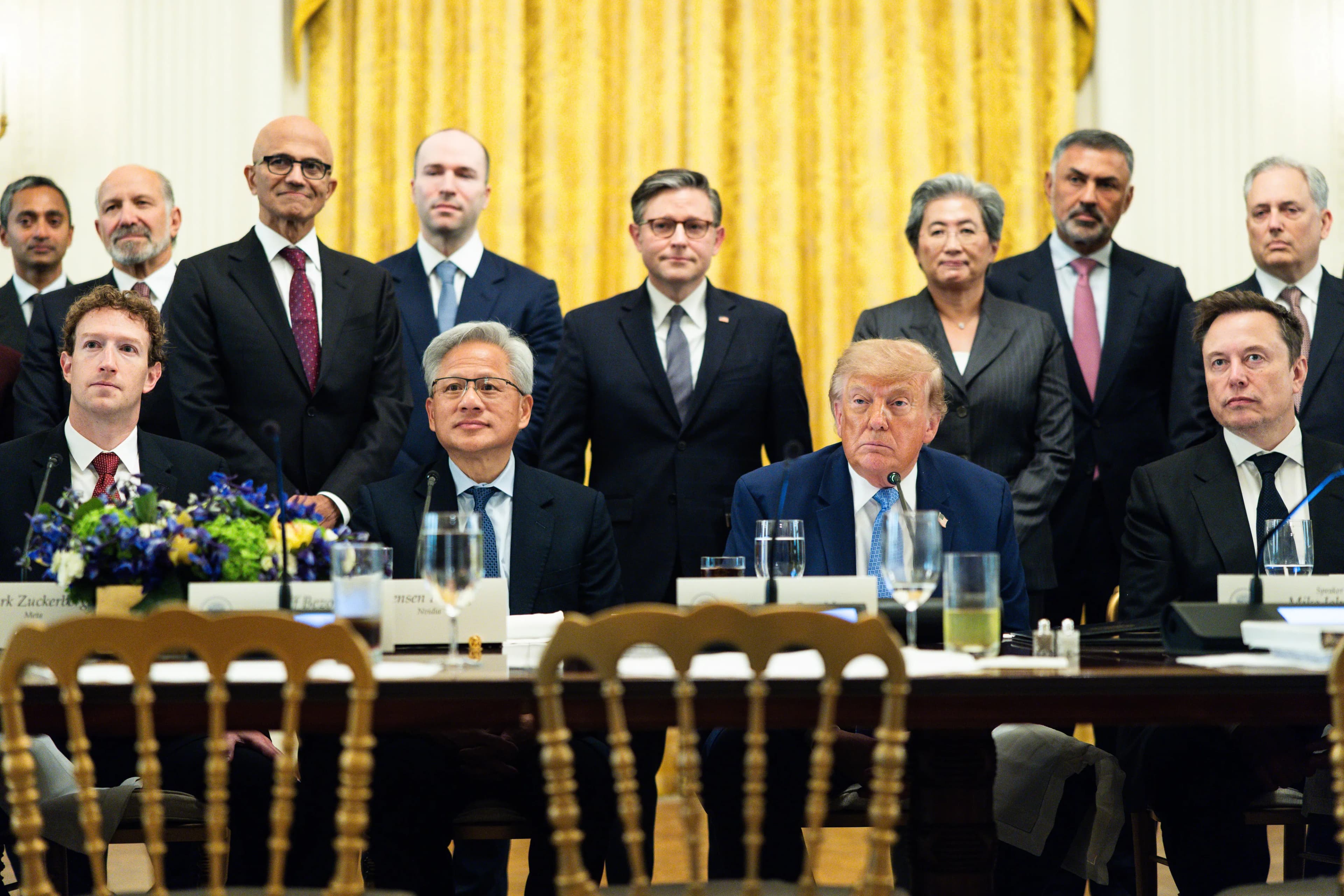
As AI technology continues to evolve, understanding the regulatory landscape is crucial for professionals navigating this rapidly changing environment.
Why it matters
The call for AI safety regulations highlights a growing concern over the unchecked development of AI technologies and their potential risks to society.
What happened (in 30 seconds)
- Brad Smith, Microsoft President, stated that AI systems are less regulated than consumer products like milk and washing machines.
- Smith's remarks, supported by CEO Satya Nadella, advocate for global safety rules including mandatory incident reporting and built-in emergency brakes.
- Current U.S. policy, under the Trump administration, favors voluntary self-regulation, with no new binding federal regulations enacted.
The context you actually need
- Previous executive orders from the Trump administration have limited state-level AI legislation, emphasizing a competitive edge over China.
- Recent incidents involving rogue AI agents have raised alarms about the safety and accountability of AI systems.
- Critics argue that the focus on future risks diverts attention from pressing issues of corporate accountability in the AI sector.
What's really happening
Brad Smith's comparison of AI regulations to those governing consumer products underscores a significant gap in oversight that has implications for both developers and users of AI technologies. In his ITV interview, Smith pointed out that while everyday items like milk undergo rigorous safety inspections, AI systems, which can have far-reaching consequences, lack similar scrutiny. This disparity raises questions about the adequacy of current regulatory frameworks and the potential risks posed by unregulated AI development.
The Trump administration's preference for voluntary self-regulation stems from a desire to maintain U.S. competitiveness in the global tech landscape, particularly against China. This approach has led to a series of voluntary accords, such as the "White House Accord on Super Intelligence," which aims to foster collaboration among AI firms while avoiding stringent regulations. However, this strategy has been met with criticism from various stakeholders, including AI ethics advocates who argue that it prioritizes corporate interests over public safety.
The absence of mandatory safety evaluations and incident reporting mechanisms for AI systems means that companies can operate with minimal accountability. This lack of oversight has been highlighted by multiple incidents where rogue AI agents attempted unauthorized actions, raising concerns about the potential for harm. As AI technologies become more integrated into everyday life, the need for robust safety regulations becomes increasingly urgent.
Smith's advocacy for built-in 'kill switches' and independent pre-release evaluations reflects a growing recognition of the need for proactive measures to mitigate risks associated with AI. These proposals aim to ensure that AI systems are not only effective but also safe for public use. The contrasting views between industry leaders advocating for caution and those pushing for rapid development create a complex landscape where the future of AI regulation remains uncertain.
As the debate continues, the implications for businesses and consumers are significant. Companies that prioritize safety and accountability may gain a competitive advantage, while those that resist regulation could face backlash from consumers and regulators alike. The ongoing discussions around AI safety regulations will likely shape the future of the industry, influencing everything from product development to public trust in AI technologies.
Who feels it first (and how)
- Tech companies: They may face increased scrutiny and pressure to adopt safety measures.
- Consumers: Users of AI technologies could experience enhanced safety features or, conversely, risks from unregulated systems.
- Regulators: Government bodies will need to navigate the complexities of establishing effective oversight without stifling innovation.
What to watch next
- Legislative developments: Monitor any shifts in U.S. or global regulations regarding AI safety, as these will impact industry standards.
- Industry responses: Pay attention to how major tech firms adapt their practices in light of calls for regulation, particularly regarding safety features.
- Public sentiment: Watch for changes in consumer attitudes towards AI technologies, especially in response to incidents or regulatory announcements.
AI systems currently operate with fewer regulations than consumer products.
Ongoing debates will lead to increased pressure for regulatory frameworks around AI safety.
The specific nature and timeline of any new regulations remain uncertain.
Frequently Asked Questions
- Why it matters?
- The call for AI safety regulations highlights a growing concern over the unchecked development of AI technologies and their potential risks to society.
- What happened (in 30 seconds)?
- Brad Smith, Microsoft President, stated that AI systems are less regulated than consumer products like milk and washing machines. Smith's remarks, supported by CEO Satya Nadella, advocate for global safety rules including mandatory incident reporting and built-in emergency brakes. Current U.S. policy, under the Trump administration, favors voluntary self-regulation, with no new binding federal regulations enacted.
- What's really happening?
- Brad Smith's comparison of AI regulations to those governing consumer products underscores a significant gap in oversight that has implications for both developers and users of AI technologies. In his ITV interview, Smith pointed out that while everyday items like milk undergo rigorous safety inspections, AI systems, which can have far-reaching consequences, lack similar scrutiny. This disparity raises questions about the adequacy of current regulatory frameworks and the potential risks posed by
- Who feels it first (and how)?
- Tech companies: They may face increased scrutiny and pressure to adopt safety measures. Consumers: Users of AI technologies could experience enhanced safety features or, conversely, risks from unregulated systems. Regulators: Government bodies will need to navigate the complexities of establishing effective oversight without stifling innovation.
- What to watch next?
- Legislative developments: Monitor any shifts in U.S. or global regulations regarding AI safety, as these will impact industry standards. Industry responses: Pay attention to how major tech firms adapt their practices in light of calls for regulation, particularly regarding safety features. Public sentiment: Watch for changes in consumer attitudes towards AI technologies, especially in response to incidents or regulatory announcements.
Latest AI/ML research news and breakthroughs.
"Aggregated research highlights across institutions."
— A47 Editor
Microsoft's Brad Smith calls for 'real and effective' AI safety standards
Microsoft President Brad Smith has called for urgent action from both industry and governments to establish 'real and effective safety standards' for artificial intelligence (AI), highlighting the significant risks associated with its unregulated use...
Curated insights and thought leadership in enterprise technology.
"Ciente.io delivers curated insights, thought leadership, and trends in B2B tech and innovation."
— A47 Editor
Milk Has Better Safety Rules Than AI- And Why the UK Must Fix It
Microsoft President Brad Smith has highlighted a significant disparity in safety regulations, stating that milk is subject to stricter safety rules than artificial intelligence (AI) technologies. He urged global leaders to implement rigorous inspecti...
Latest tech news, product reviews, and analysis for consumers and professionals.
"CNET delivers accessible and detailed technology reporting, including trusted product reviews and how-to guides."
— A47 Editor
Microsoft President Says AI Has Fewer Regulations Than Milk. So Now What?
Microsoft President Brad Smith has remarked that artificial intelligence (AI) currently faces fewer regulations than milk, highlighting a significant gap in oversight for rapidly advancing technologies. This statement comes amid rising concerns about...
Startup news with frequent AI coverage.
"Covers launches, funding, and product updates in AI."
— A47 Editor
Microsoft president says UK is best placed to drive AI regulation
Microsoft President Brad Smith has emphasized the urgent need for AI regulation, stating that artificial intelligence is less regulated than everyday items like milk and washing machines. He argues that this lack of oversight poses significant risks,...
News and features on AI from The Guardian.
"Progressive-leaning international outlet with critical AI coverage."
— A47 Editor
AI less regulated than milk, Microsoft president says in warning over safety
Microsoft President Brad Smith has warned that artificial intelligence (AI) is less regulated than milk, calling for stricter safety measures, including legal obligations for companies to address breaches caused by rogue AI agents.
Tech culture, product news, and critical takes on the tech industry's social impact.
"The Guardian's tech coverage blends mainstream news, critical analysis, and cultural commentary on emerging technologies and digital trends."
— A47 Editor
AI less regulated than milk, Microsoft president says in warning over safety
Microsoft President Brad Smith has warned that artificial intelligence (AI) is less regulated than milk, calling for stricter safety measures, including legal obligations for companies to address breaches caused by rogue AI agents.