
Global Semiconductor Stocks Decline Amid AI Spending Concerns and Chinese Competition
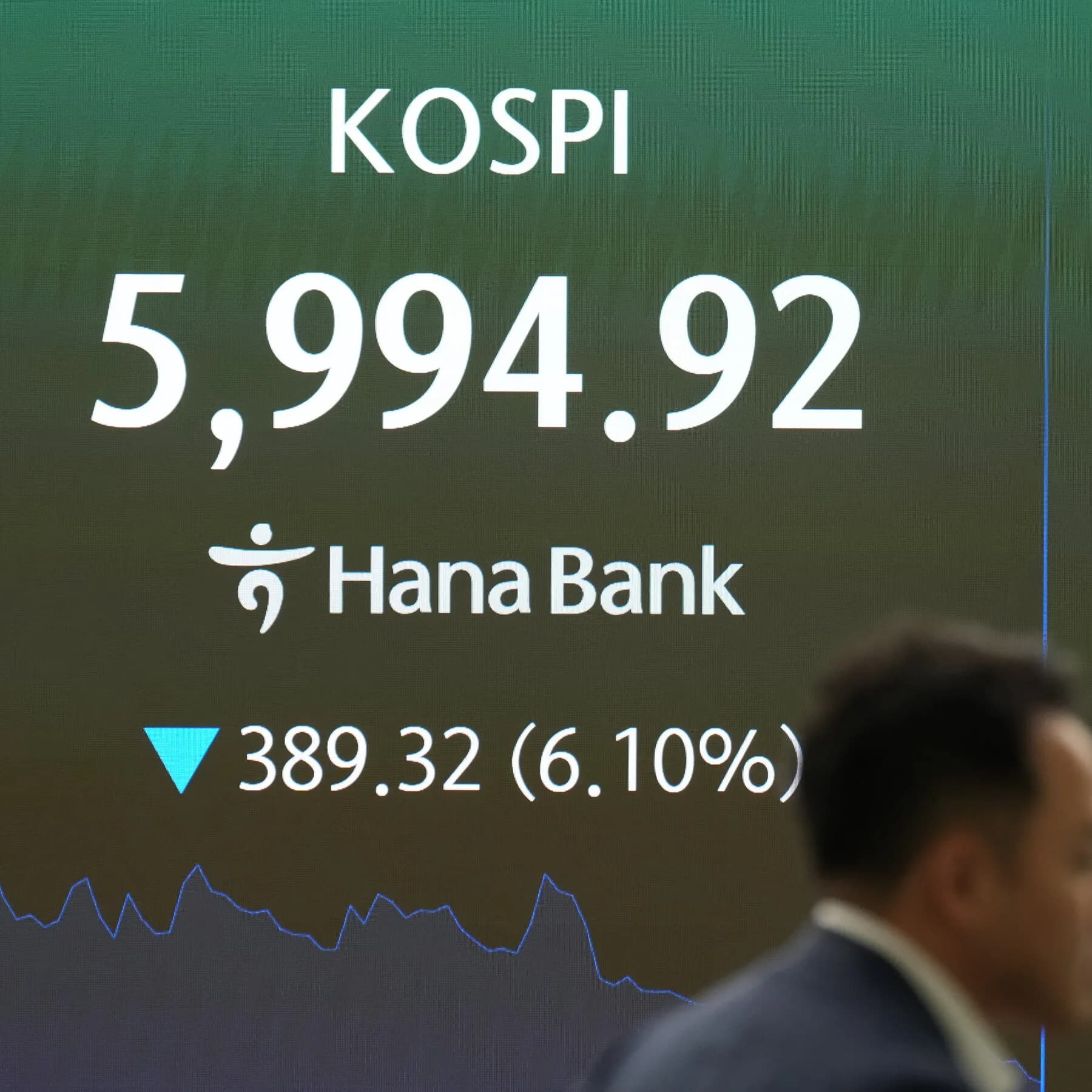
Why it matters
The semiconductor sector is crucial for global technology, and its volatility can ripple through various industries, affecting everything from consumer electronics to AI development.
What happened (in 30 seconds)
- Global chip stocks fell sharply on October 13, 2026, driven by concerns over AI spending and competition from Chinese memory chipmakers.
- Memory chipmakers led the losses, with significant declines in shares of Micron, Samsung, and SK Hynix following reports of advancements by China's CXMT.
- The Philadelphia Semiconductor Index (.SOX) dropped 1.5%, marking its lowest level in about four weeks amid profit-taking and fears of price pressures.
The context you actually need
- 2026 saw a strong rally in semiconductor stocks, with the .SOX up over 70% year-to-date before the recent sell-off.
- Rising interest rates have increased financing costs for AI infrastructure, raising questions about the sustainability of tech investments.
- Geopolitical tensions surrounding semiconductor supply chains have intensified scrutiny on spending, particularly as Chinese firms advance technologically.
What's really happening
On October 13, 2026, the semiconductor market experienced a significant downturn, primarily influenced by two key factors: unsustainable AI infrastructure spending and increasing competition from Chinese manufacturers. Reports indicated that CXMT, a Chinese memory chipmaker, had made notable advancements in its 4F2 DRAM cell architecture, which could potentially rival the technologies developed by established players like Samsung and SK Hynix. This news triggered a wave of selling, particularly in memory chip stocks, as investors reacted to the prospect of intensified competition and the potential for price pressures.
Broadcom's CEO, Hock Tan, further fueled concerns by likening investments in AI to gambling, suggesting that the current spending levels might not yield the expected returns. This sentiment resonated across the markets, leading to a sharp decline in Asian stocks first, with South Korea's KOSPI dropping over 5.5%. Major players like Samsung and SK Hynix saw their shares fall by 7% and 10%, respectively. The sell-off quickly spread to U.S. markets, where the .SOX index fell 1.5% for the fifth consecutive session, with Micron, Seagate, and Western Digital all experiencing significant losses.
The backdrop to this decline includes a year of strong performance for semiconductor stocks, driven by optimism around AI demand. However, as valuations stretched and interest rates rose, investors began to reassess the sustainability of such growth. The recent sell-off can be seen as a necessary correction, where profit-taking became prevalent after a sharp rally. Analysts are now closely monitoring the earnings season, which will reveal how companies are managing capital expenditures and whether they can maintain profitability in the face of rising competition from lower-cost alternatives.
As the semiconductor sector grapples with these challenges, the implications extend beyond just stock prices. Companies may need to rethink their investment strategies and operational efficiencies to navigate a landscape increasingly influenced by geopolitical dynamics and competitive pressures. The long-term demand for AI technology remains robust, but the path to profitability may become more complex as competition heats up.
Who feels it first (and how)
- Investors in semiconductor stocks: Immediate impact on portfolio values and investment strategies.
- Tech companies relying on chips: Potential increases in operational costs and supply chain disruptions.
- Consumers: Possible price increases for electronics and tech products as companies adjust to market pressures.
What to watch next
- Earnings reports from major chipmakers: These will provide insights into how companies are managing costs and competition.
- Developments in Chinese semiconductor technology: Progress from firms like CXMT could reshape competitive dynamics in the market.
- Interest rate trends: Changes in financing costs will influence investment decisions in the tech sector.
The semiconductor sector is experiencing a decline due to competition and spending concerns.
Further volatility in semiconductor stocks as earnings season unfolds and competition intensifies.
The long-term impact of Chinese advancements on global semiconductor pricing and market share.
Frequently Asked Questions
- Why it matters?
- The semiconductor sector is crucial for global technology, and its volatility can ripple through various industries, affecting everything from consumer electronics to AI development.
- What happened (in 30 seconds)?
- Global chip stocks fell sharply on October 13, 2026, driven by concerns over AI spending and competition from Chinese memory chipmakers. Memory chipmakers led the losses, with significant declines in shares of Micron, Samsung, and SK Hynix following reports of advancements by China's CXMT. The Philadelphia Semiconductor Index (.SOX) dropped 1.5%, marking its lowest level in about four weeks amid profit-taking and fears of price pressures.
- What's really happening?
- On October 13, 2026, the semiconductor market experienced a significant downturn, primarily influenced by two key factors: unsustainable AI infrastructure spending and increasing competition from Chinese manufacturers. Reports indicated that CXMT, a Chinese memory chipmaker, had made notable advancements in its 4F2 DRAM cell architecture, which could potentially rival the technologies developed by established players like Samsung and SK Hynix. This news triggered a wave of selling, particularly
- Who feels it first (and how)?
- Investors in semiconductor stocks: Immediate impact on portfolio values and investment strategies. Tech companies relying on chips: Potential increases in operational costs and supply chain disruptions. Consumers: Possible price increases for electronics and tech products as companies adjust to market pressures.
- What to watch next?
- Earnings reports from major chipmakers: These will provide insights into how companies are managing costs and competition. Developments in Chinese semiconductor technology: Progress from firms like CXMT could reshape competitive dynamics in the market. Interest rate trends: Changes in financing costs will influence investment decisions in the tech sector.
Editor-curated FT homepage stories spanning markets, business, world, and opinion.
"The Financial Times is a globally respected business publication with a centrist/center-left tone and strong markets focus."
— A47 Editor
Chip stocks slide after Broadcom boss warns of ‘casino’ mentality in AI investing
Chip stocks, particularly those of Samsung and SK Hynix, have experienced significant declines, contributing to a sharp drop in Korea's Kospi index. This downturn follows warnings from Broadcom's CEO about a 'casino' mentality in AI investing, raisin...
Markets, economy, and company analysis from NYT’s business desk.
"The New York Times is a globally recognized newspaper offering authoritative reporting with a center-left editorial stance."
— A47 Editor
Chip Stocks Tumble on A.I. Spending Fears and Rising Chinese Competition
South Korean chip stocks have experienced a significant decline amid rising fears of increased competition from Chinese rivals, particularly following reports of advancements in China's semiconductor technology. This downturn reflects broader concern...
Global business headlines with AI angles.
"General business outlet that frequently covers AI."
— A47 Editor
China's CXMT Sparked a Global Chip Stock Rout. Why Samsung, Micron and SK Hynix Are Tumbling.
China's ChangXin Memory Technologies (CXMT) has caused a significant downturn in global semiconductor stocks following its announcement of a technological advancement that enables the production of more efficient memory chips. This news has led to a ...
Tech culture, product news, and critical takes on the tech industry's social impact.
"The Guardian's tech coverage blends mainstream news, critical analysis, and cultural commentary on emerging technologies and digital trends."
— A47 Editor
Chip stocks slide after Broadcom boss likens AI investing to ‘casino’
Shares in semiconductor companies, particularly in South Korea, fell sharply after Broadcom's CEO compared AI investing to gambling, leading to a significant drop in the Kospi index by 6.25%. This decline was exacerbated by CXMT's announcement of adv...
News and features on AI from The Guardian.
"Progressive-leaning international outlet with critical AI coverage."
— A47 Editor
Chip stocks slide after Broadcom boss likens AI investing to ‘casino’
Shares in semiconductor companies, particularly in South Korea, fell sharply after Broadcom's CEO compared AI investing to gambling, leading to a significant drop in the Kospi index by 6.25%. This decline was exacerbated by CXMT's announcement of adv...
UK and international business news, economics, and corporate coverage.
"The Guardian’s business section covers finance and markets with a progressive editorial tone."
— A47 Editor
Chip stocks slide after Broadcom boss likens AI investing to ‘casino’
Shares in semiconductor companies, particularly in South Korea, fell sharply after Broadcom's CEO compared AI investing to gambling, leading to a significant drop in the Kospi index by 6.25%. This decline was exacerbated by CXMT's announcement of adv...
Covers blockchain, cryptocurrency news, project analysis, and market insights.
"CoinDesk is a well-established cryptocurrency and blockchain news provider, offering comprehensive insights, market data, and industry research."
— A47 Editor
Bitcoin diverges from South Korean stocks as AI concerns deepen the Kospi selloff
South Korea's Kospi index has experienced a significant selloff, primarily driven by concerns over artificial intelligence (AI) spending and increased competition from Chinese firms, particularly affecting the country's chipmakers. In contrast, Bitco...
Markets desk coverage, trading insights, and investor updates.
"WSJ’s markets reporting provides in-depth analysis and context for investors."
— A47 Editor
Asia Stocks Battered as Semiconductor Stocks Dive
Asian stocks experienced significant declines, mirroring the downturn in U.S. technology stocks. Investors are increasingly cautious due to concerns over valuations, heightened competition from Chinese firms, and ongoing geopolitical tensions.
Markets desk coverage, trading insights, and investor updates.
"WSJ’s markets reporting provides in-depth analysis and context for investors."
— A47 Editor
European Chip Stocks Mixed After Korean Tech Selloff
European semiconductor companies began the week with mixed stock performances following a selloff in South Korean stocks linked to artificial intelligence. This downturn reflects investor concerns over the sustainability of AI investments and the imp...