
AI-Driven Expansion of Gigawatt-Scale Data Centers Begins in the US
Why it matters
The rapid expansion of gigawatt-scale data centers reflects a significant shift in energy consumption patterns and economic development strategies.
What happened (in 30 seconds)
- AI demand surged: Major tech companies are investing heavily in data centers to support AI training and inference.
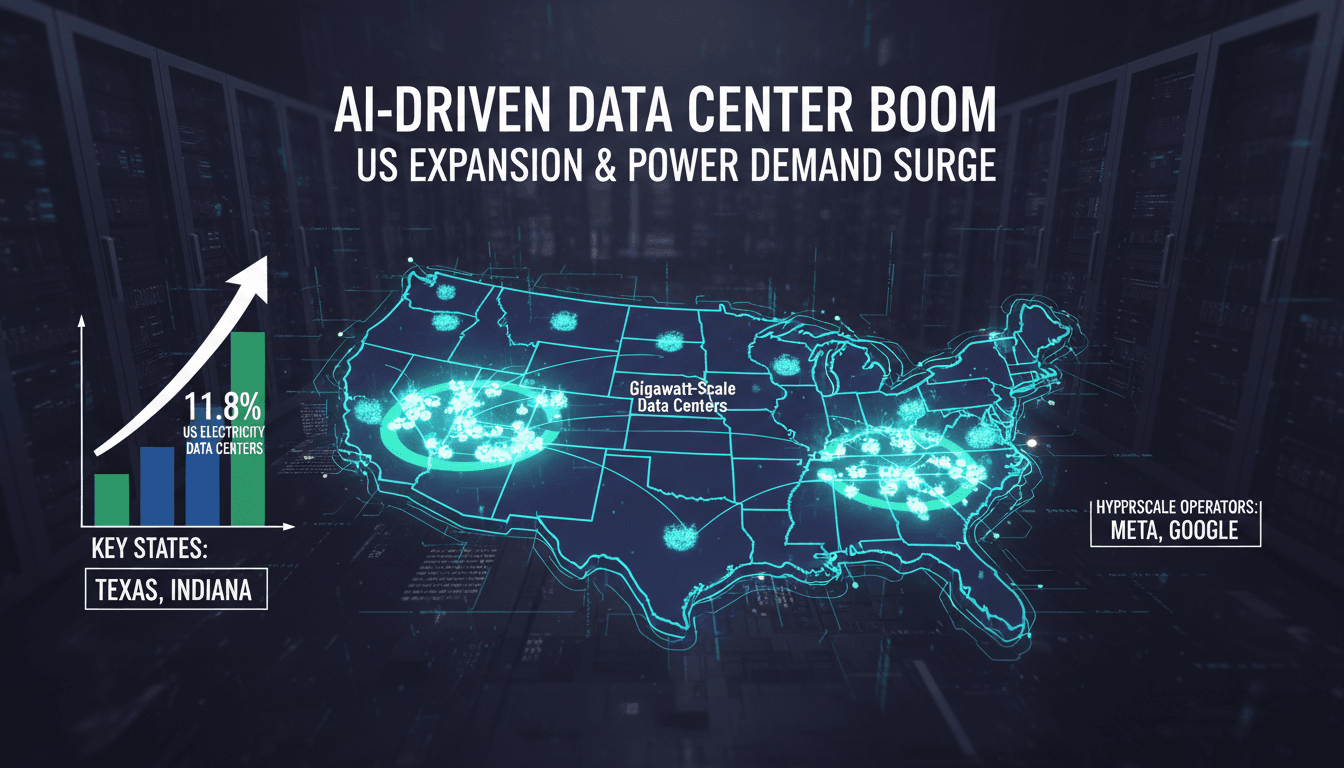
- Gigawatt-scale projects: Multiple facilities with capacities exceeding 1 GW are under construction, primarily in states like Texas and Indiana.
- Community concerns: Local populations are raising alarms about environmental impacts, including noise and water usage, leading to protests and regulatory discussions.
The context you actually need
- Electricity consumption: US data centers consumed 313 terawatt-hours in 2025, accounting for nearly 40% of global data-center electricity use.
- Economic incentives: States are offering tax incentives and infrastructure support to attract data center investments, particularly in rural areas.
- Industry shift: The focus is moving from general cloud services to specialized AI-optimized facilities, reflecting the evolving needs of tech giants.
What's really happening
The construction of gigawatt-scale data centers is a direct response to the escalating demands of AI technologies, which require specialized computing infrastructure. Since 2023, the rapid development of AI models has intensified the need for high-density training clusters, prompting hyperscale operators like Meta, Google, and OpenAI to invest in dedicated facilities.
These data centers are not just about storage; they are designed to handle the immense computational power required for AI tasks, which are projected to consume a significant portion of the US's electricity supply. By 2030, data centers are expected to account for 11.8% of total electricity consumption in the US, a staggering increase that underscores the urgency of this expansion.
The geographical concentration of these projects in states such as Texas, Indiana, Ohio, and Tennessee is no coincidence. These regions offer a combination of favorable factors: ample land availability, existing power infrastructure, and attractive tax incentives. For instance, Texas has become a hotspot for data center construction due to its deregulated energy market and abundant renewable energy sources, making it an appealing choice for companies looking to minimize operational costs while maximizing efficiency.
However, this rapid expansion is not without its challenges. Local communities are increasingly voicing concerns about the environmental impact of these facilities. Issues such as noise pollution, excessive water usage, and potential strain on local power grids have led to protests and legal actions in several states. For example, New York has implemented a temporary moratorium on new large-scale AI data centers, reflecting growing apprehension about the sustainability of such developments.
As the market responds to these pressures, we are likely to see increased utility planning for dedicated power generation and joint ventures among infrastructure funds to support the growing demand for energy. The balance between technological advancement and community impact will be crucial in shaping the future landscape of data center development.
Who feels it first (and how)
- Local communities: Residents near data center sites are experiencing noise and environmental concerns.
- Energy providers: Utility companies must adapt to increased demand and potential grid strain.
- Tech companies: Firms like Meta and Google are investing heavily, impacting their operational costs and strategies.
- State governments: Legislators are facing pressure to regulate and manage the implications of rapid data center growth.
What to watch next
- Regulatory changes: Monitor state-level discussions on data center regulations and moratoriums, as these will influence future construction and operational guidelines.
- Energy consumption trends: Keep an eye on electricity consumption statistics to gauge the impact of data centers on local and national energy grids.
- Community responses: Watch for emerging protests or legal actions from local communities, which could shape the future of data center projects.
- Major tech companies are investing in gigawatt-scale data centers.
- Increased regulatory scrutiny and community pushback will shape future developments.
- The long-term sustainability of energy consumption patterns driven by AI data centers remains uncertain.
Frequently Asked Questions
- Why it matters?
- The rapid expansion of gigawatt-scale data centers reflects a significant shift in energy consumption patterns and economic development strategies.
- What happened (in 30 seconds)?
- AI demand surged: Major tech companies are investing heavily in data centers to support AI training and inference. Gigawatt-scale projects: Multiple facilities with capacities exceeding 1 GW are under construction, primarily in states like Texas and Indiana. Community concerns: Local populations are raising alarms about environmental impacts, including noise and water usage, leading to protests and regulatory discussions.
- What's really happening?
- The construction of gigawatt-scale data centers is a direct response to the escalating demands of AI technologies, which require specialized computing infrastructure. Since 2023, the rapid development of AI models has intensified the need for high-density training clusters, prompting hyperscale operators like Meta, Google, and OpenAI to invest in dedicated facilities. These data centers are not just about storage; they are designed to handle the immense computational power required for AI task
- Who feels it first (and how)?
- Local communities: Residents near data center sites are experiencing noise and environmental concerns. Energy providers: Utility companies must adapt to increased demand and potential grid strain. Tech companies: Firms like Meta and Google are investing heavily, impacting their operational costs and strategies. State governments: Legislators are facing pressure to regulate and manage the implications of rapid data center growth.
- What to watch next?
- Regulatory changes: Monitor state-level discussions on data center regulations and moratoriums, as these will influence future construction and operational guidelines. Energy consumption trends: Keep an eye on electricity consumption statistics to gauge the impact of data centers on local and national energy grids. Community responses: Watch for emerging protests or legal actions from local communities, which could shape the future of data center projects.
Business and tech news excluding paywalled content.
"High-volume business/tech outlet with frequent AI coverage."
— A47 Editor
AI is driving a data-center power boom. These are some of the biggest US projects being built.
The demand for data centers is surging, prompting SpaceX to incentivize its employees with pay increases to assist in construction efforts. This reflects the growing importance of data infrastructure in the age of artificial intelligence.
U.S. business news, corporate developments, and economy.
"The Wall Street Journal is respected for deep financial and economic reporting with a center-right editorial perspective."
— A47 Editor
Carrier Plans $600 Million Texas Plant to Make Cooling Gear for AI Data Centers
Carrier has announced plans to invest $600 million in a new plant in Texas, which will produce cooling equipment specifically designed for AI data centers. This investment marks Carrier's largest commitment to date and comes in response to a signific...
Tech business coverage, major deals, product launches, and Silicon Valley trends.
"WSJ’s tech section offers authoritative reporting on the intersection of technology and business, including exclusive industry analysis."
— A47 Editor
Carrier Plans $600 Million Texas Plant to Make Cooling Gear for AI Data Centers
Carrier has announced plans to invest $600 million in a new plant in Texas dedicated to manufacturing cooling equipment for AI data centers, marking its largest investment to date amid rising demand from data center clients.