
Microsoft replaces OpenAI and Anthropic AI models with proprietary solutions
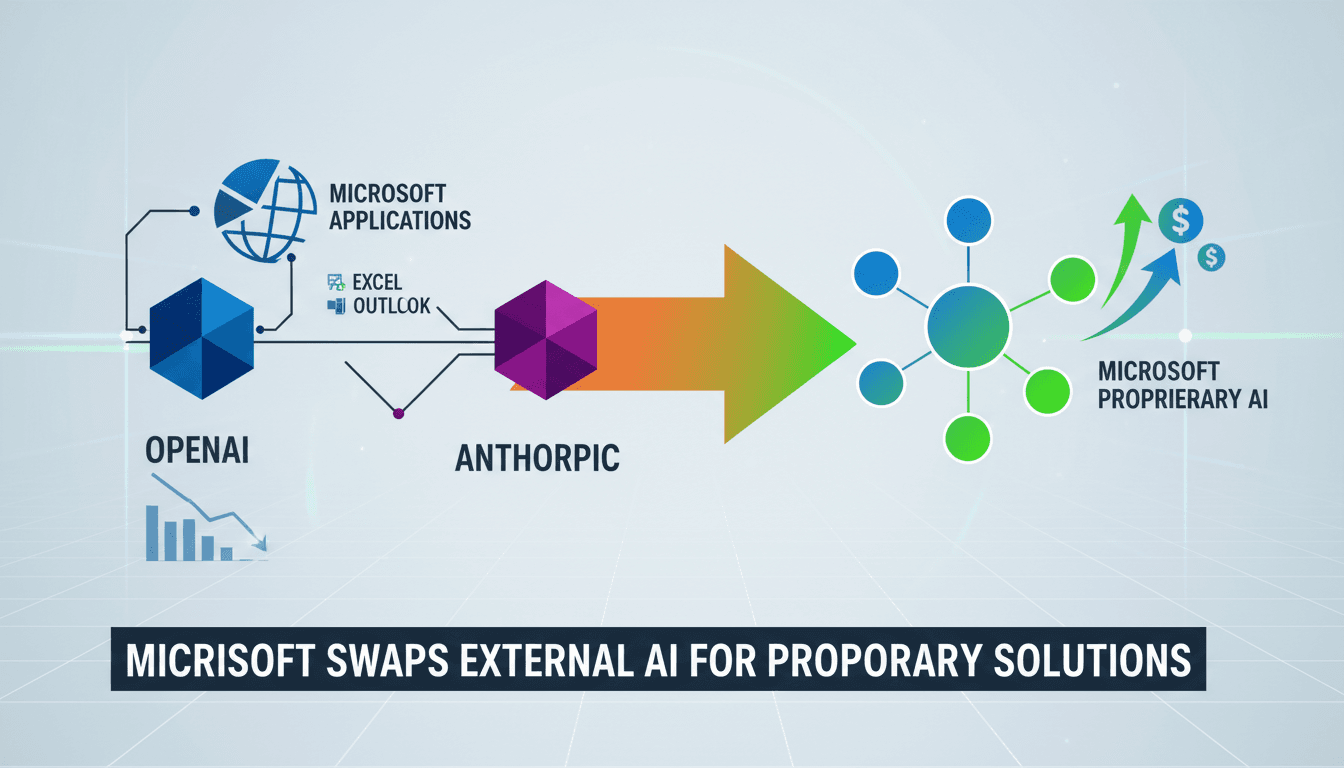
Here's what it means for you.
Microsoft's shift to proprietary AI models signifies a strategic pivot that could reshape its offerings in applications like Excel and Outlook. This move is indicative of a broader trend in the tech industry, where companies are increasingly focused on managing costs associated with generative AI technologies. As Microsoft develops its own capabilities, users may experience changes in functionality and performance that could impact their workflows. The implications of this transition extend beyond immediate cost savings, potentially enhancing Microsoft's competitive edge in the AI software market. Stakeholders will be closely monitoring how these changes affect user satisfaction and product performance in the coming months.
What happened
Microsoft has announced that it will replace AI models developed by OpenAI and Anthropic with its own proprietary models across various software products, including Excel and Outlook. This decision is part of a broader strategy to reduce costs associated with generative AI technologies. The transition is expected to affect tens of thousands of users as Microsoft implements its in-house solutions.
The move reflects a growing trend among tech companies to manage and reduce operational costs related to AI. As Microsoft phases out external models, the impact on features like Copilot remains to be seen, raising questions about the performance of its AI capabilities.
The Context
Microsoft has been a significant investor in AI technologies, heavily relying on external models from OpenAI and Anthropic. This reliance has come under scrutiny as financial pressures mount, prompting the company to explore more sustainable options. The shift to proprietary models is not only a cost-cutting measure but also a strategic effort to enhance its position in the competitive landscape of AI software.
As the tech industry evolves, companies are increasingly prioritizing in-house solutions to maintain control over their technologies and reduce dependency on external partners. This transition could have lasting implications for Microsoft's product offerings and its relationships with AI model providers.
Takeaway
As Microsoft continues to develop its own AI capabilities, the company may be better positioned to compete in the AI software market. Observers should monitor how this shift affects the performance of Microsoft products, particularly in terms of user experience and functionality. Additionally, responses from OpenAI and Anthropic regarding their partnerships with Microsoft will be crucial in understanding the broader implications of this transition.
The coming months will reveal whether Microsoft's proprietary models can deliver the expected performance improvements while also achieving cost efficiencies. Stakeholders will be keen to see how this strategic pivot influences the company's future in the rapidly evolving AI landscape.
English-language digital publication covering business, politics, technology, and current affairs.
"The Arabian Post mixes original and syndicated-style coverage with a broad regional and global business-news orientation."
— A47 Editor
Microsoft shifts AI workload to cut model costs
Microsoft Corp. is transitioning more of its artificial intelligence workload to its internal systems, replacing some models from OpenAI and Anthropic in applications like Excel and Outlook. This shift is driven by the need to reduce the costs associ...
Startup news with frequent AI coverage.
"Covers launches, funding, and product updates in AI."
— A47 Editor
Microsoft joins AI cost-cutting trend by relying more on its own models
Microsoft has joined the trend of cost-cutting in artificial intelligence (AI) by increasingly relying on its own models rather than those developed by external companies like OpenAI and Anthropic. This shift comes amid a broader reduction in AI spen...
Daily AI news: models, tools, and policy.
"Independent outlet tracking the fast pace of AI."
— A47 Editor
Copilot goes cheap as Microsoft phases out OpenAI and Anthropic models to cut costs
Microsoft is transitioning from using AI models developed by OpenAI and Anthropic to its own MAI models in products like Excel and Outlook, aiming to reduce costs associated with external models. This shift is expected to impact the performance of Co...
Curated tech headlines including AI stories.
"Influential aggregator surfacing the day’s top tech/AI links."
— A47 Editor
Sources: Microsoft, looking to reduce AI costs, is starting to replace models from OpenAI and Anthropic with its MAI models in products like Excel and Outlook (Brody Ford/Bloomberg)
Microsoft has begun replacing AI models from OpenAI and Anthropic with its proprietary MAI models in applications such as Excel and Outlook, aiming to reduce costs associated with third-party AI services. This shift reflects a broader trend within th...
Technology business and AI-related headlines.
"Data-driven tech newsroom with global scope."
— A47 Editor
Microsoft Replaces OpenAI, Anthropic With Own AI in Some Apps
Microsoft Corp. has begun replacing AI models from OpenAI and Anthropic with its own proprietary models in applications such as Excel and Outlook, aiming to cut costs associated with third-party AI services. This shift marks a significant change in M...
Technology business news, market impacts, and innovation trends.
"Bloomberg is a premier financial and tech news provider, respected for its in-depth reporting and analytical rigor."
— A47 Editor
Microsoft Replaces OpenAI, Anthropic With Own AI in Some Apps
Microsoft Corp. has begun replacing AI models from OpenAI and Anthropic with its own proprietary models in applications such as Excel and Outlook, aiming to cut costs associated with third-party AI services. This shift marks a significant change in M...