
Oil tankers increase traffic through Strait of Hormuz amid Iranian threats
Here's what it means for you.
The recent increase in oil tanker traffic through the Strait of Hormuz signals a potential stabilization in oil prices, which have returned to pre-Iran war levels. This development is crucial for global markets, as it reflects a shift in shipping dynamics amid geopolitical tensions. Stakeholders in the oil industry should monitor these changes closely, as continued safe passage could further influence pricing and supply stability.
What happened
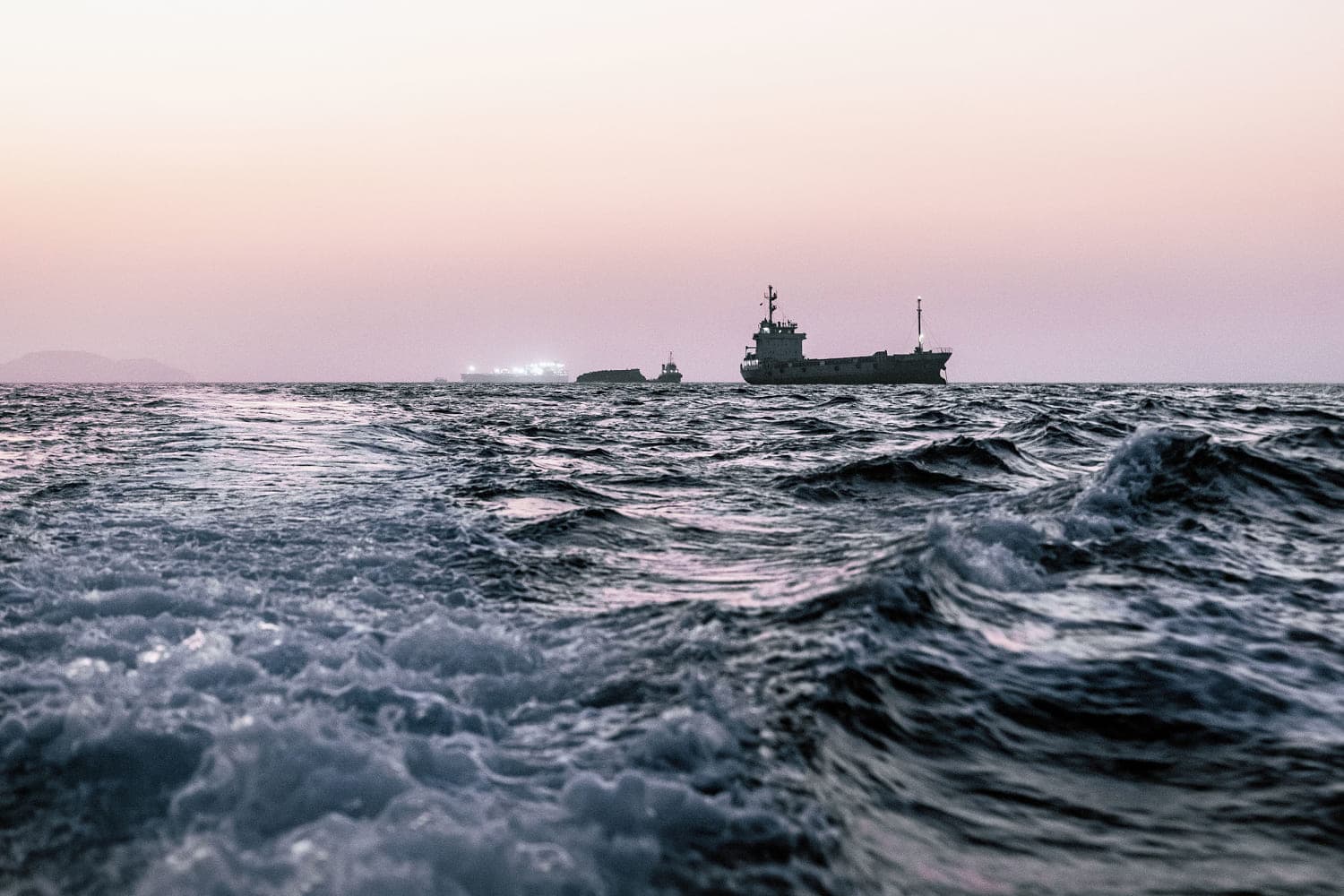
Several oil tankers have successfully navigated the Strait of Hormuz despite ongoing threats from Iran's Revolutionary Guard. This surge in shipping traffic is attributed to the adoption of a U.N.-recommended route that enhances safety for vessels. Notably, a Liberian-flagged oil tanker named Stoic Warrior passed through the Strait recently, marking a significant moment in the current maritime landscape.
As shipping traffic resumes, oil prices have fallen back to levels seen before the escalation of the Iran conflict. This decline in prices reflects the market's response to the increased shipping activity and the perceived safety of the new route. The situation remains dynamic, with the potential for further developments as more tankers traverse this critical passage.
The Context
The Strait of Hormuz is a vital chokepoint for global oil transportation, with Iran's Revolutionary Guard recently issuing threats against vessels not adhering to approved routes. The U.N. maritime agency's promotion of a new route close to Oman’s shore aims to mitigate risks for shipping traffic in this tense region. The geopolitical landscape surrounding Iran continues to influence market dynamics, making this situation particularly significant for oil prices.
As oil prices have returned to pre-Iran war levels, the implications for global markets are profound. The interplay between Iranian threats and shipping safety will be crucial in determining future price stability. Stakeholders must remain vigilant as the situation evolves, given the potential for disruptions.
Takeaway
The ongoing situation in the Strait of Hormuz is critical to watch, as the increased shipping traffic could lead to a stabilization of oil prices in the near future. However, any escalation in threats from Iran could disrupt this trend and impact global oil markets. Monitoring further Iranian threats and their effects on shipping routes will be essential for understanding the broader implications for the industry.
As shipping traffic continues to increase, fluctuations in oil prices are likely to occur. Stakeholders should prepare for potential volatility while remaining informed about developments in this strategically important region.
Global political, business, and cultural coverage from WSJ international desks.
"The Wall Street Journal offers extensive international reporting with a reputation for financial insight and a center-right editorial stance."
— A47 Editor
Oil Prices Make a Stunning Retreat to Prewar Levels. Where Do We Go From Here?
Oil prices have retreated to prewar levels, largely due to a surge in tanker traffic through the Strait of Hormuz following a peace deal between the U.S. and Iran. This reopening of the vital shipping route has contributed to a significant decline in...
Oil, metals, and agriculture: supply/demand headlines, OPEC chatter, inventories, and price action.
"Solid tape for energy and metals traders tracking macro and micro catalysts."
— A47 Editor
Oil rebounds from pre-Iran war lows after Hormuz ship attack, wrangling over tolls
Oil prices have rebounded from their lowest levels since the onset of the Iran war following an attack on a ship in the Strait of Hormuz, which has disrupted shipping routes. This incident has raised concerns about the stability of oil supplies, prom...
International coverage of politics, culture, and current affairs.
"BBC News is widely regarded as a reputable international news organization, known for its impartial tone and public service mandate."
— A47 Editor
Oil price falls back to pre-Iran war levels
Oil prices have fallen back to pre-Iran war levels, primarily due to signs of resuming traffic through the key Strait of Hormuz, a vital maritime route for global oil shipments. This decline in prices reflects a significant shift in market dynamics f...
Corporate news, economic trends, and markets with UK and global scope.
"BBC News is widely regarded as reputable and impartial, with a public service mandate."
— A47 Editor
Oil price falls back to pre-Iran war levels
Oil prices have fallen back to pre-Iran war levels, primarily due to signs of resuming traffic through the key Strait of Hormuz, a vital maritime route for global oil shipments. This decline in prices reflects a significant shift in market dynamics f...
National headlines across the United States including breaking stories and societal issues.
"NBC News is a mainstream media outlet known for comprehensive national and international news coverage with a centrist to slightly left-leaning editorial tone."
— A47 Editor
Oil tankers pass the Strait of Hormuz despite Iran threats as traffic slowly picks up and oil prices fall
A number of oil tankers, including the Liberian-flagged Stoic Warrior, successfully navigated the Strait of Hormuz on Thursday, adhering to a U.N.-recommended route despite threats from Iran regarding maritime safety. This development comes amid risi...
Comprehensive coverage of global events, politics, and international issues.
"NBC News is a mainstream outlet known for comprehensive national and international coverage with a centrist to slightly left-leaning editorial tone."
— A47 Editor
U.N. agency pauses Strait of Hormuz evacuation effort as ship is struck off Oman
The United Nations has paused its evacuation efforts for sailors in the Strait of Hormuz following a projectile attack on a cargo ship near Oman, raising concerns about maritime safety in this crucial shipping route. Iran has warned that any vessel n...
Breaking news, politics, business, and entertainment from the U.S. and around the world.
"The New York Post is a tabloid-format newspaper known for its sensationalist headlines and conservative-leaning editorial tone."
— A47 Editor
An oil tanker navigates the Strait of Hormuz despite threats from Iran’s Revolutionary Guard
A Liberian oil tanker successfully navigated the Strait of Hormuz on Thursday, utilizing a new route near Oman’s shore, despite threats from Iran’s Revolutionary Guard aimed at disrupting maritime shipping in the region. This maneuver highlights the ...