
Increased Maritime Traffic Through Strait of Hormuz Following US-Iran Agreement
Here's what it means for you.
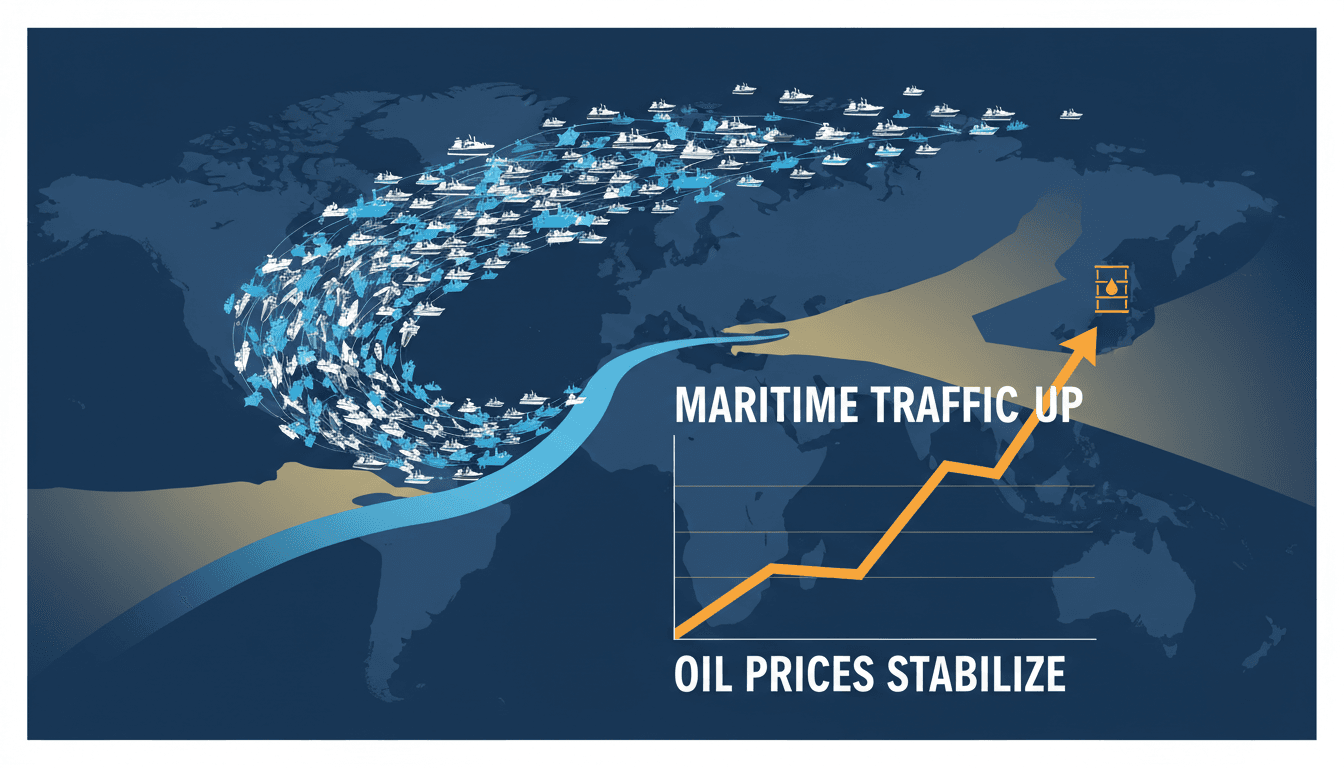
The recent US-Iran agreement has led to a significant increase in maritime traffic through the Strait of Hormuz, a crucial route for global oil shipments. This development is expected to enhance market confidence among traders and shipowners, potentially stabilizing oil prices in the long run. As shipping activity resumes, consumers may eventually feel the positive effects of these changes, although it may take time for the full impact to materialize. The uptick in traffic, marked by 42 ships crossing the strait in a single day, signals a shift towards normalization in the region. This could have broader implications for international trade and energy markets, making it essential for stakeholders to monitor ongoing developments closely.
What happened
The US and Iran recently signed a deal that has resulted in a notable increase in maritime traffic through the Strait of Hormuz. Following this agreement, reports indicate that 42 ships crossed the strait in just one day, showcasing a significant uptick in activity. This surge in shipping is contributing to a decrease in oil prices as the market responds to the renewed confidence among traders.
As shipping resumes, the implications for global oil prices are becoming evident. The agreement aims to reduce tensions in the region, which has historically been a critical chokepoint for oil shipments. Increased ship traffic reflects a growing sense of security among maritime stakeholders.
The Context
The Strait of Hormuz is a vital passage for approximately one-fifth of the world's oil supply, making it a focal point for global energy security. The recent agreement between the US and Iran is designed to address ongoing conflicts and foster stability in the region. This development is particularly significant given the historical volatility associated with US-Iran relations.
Increased maritime traffic indicates a shift in sentiment among traders and shipowners, who are now more willing to navigate this crucial waterway. The timing of this agreement comes at a moment when global oil prices are sensitive to geopolitical developments, making the situation in the Strait of Hormuz even more critical for international markets.
Takeaway
As tensions ease in the region, the shipping industry may experience further normalization, which could lead to more stable oil prices. Stakeholders should monitor developments in US-Iran relations closely, as any shifts could impact maritime traffic and market dynamics. Additionally, the ongoing increase in shipping activity may provide insights into broader trends in global trade.
The situation in the Strait of Hormuz appears to be stabilizing, but vigilance is necessary to understand the long-term impacts on oil prices and international trade. Observers should also watch for changes in consumer behavior as the effects of these developments begin to unfold.
Global news coverage with extensive reporting on Middle Eastern conflicts and geopolitics.
"Al Jazeera is a Qatar-based broadcaster known for wide regional coverage and alternative perspectives."
— A47 Editor
Has the worst of the Hormuz crisis passed?
The Strait of Hormuz has reopened for commercial shipping after a period of heightened tensions and closures, allowing ships to navigate once again, which has contributed to a decline in oil prices. This reopening follows a peace deal between the Uni...
Comprehensive coverage of Middle Eastern and global issues.
"Al Jazeera is a prominent voice from the Global South, especially the Middle East, with an emphasis on underreported stories."
— A47 Editor
Has the worst of the Hormuz crisis passed?
The Strait of Hormuz has reopened for commercial shipping after a period of heightened tensions and closures, allowing ships to navigate once again, which has contributed to a decline in oil prices. This reopening follows a peace deal between the Uni...
International coverage of politics, culture, and current affairs.
"BBC News is widely regarded as a reputable international news organization, known for its impartial tone and public service mandate."
— A47 Editor
Dozens of ships head through Strait of Hormuz after US-Iran deal
Traffic through the Strait of Hormuz has surged following a recent agreement between the United States and Iran aimed at de-escalating tensions, with 42 ships reported passing through the waterway on Saturday alone. This increase in maritime activity...
Global markets, investing, and macroeconomics from a premier financial newsroom.
"Bloomberg is respected for in-depth financial reporting and data-driven analysis."
— A47 Editor
Hormuz Traffic Picks Up as More Tankers Cross With Open Signals
Traffic through the Strait of Hormuz has increased as more tankers are openly signaling their intentions to cross, indicating a growing confidence among shipowners and traders as regional tensions ease. This uptick follows recent agreements aimed at ...