
China secures majority of Iran's oil exports amid US-Israel conflict
Why it matters
The ongoing conflict has disrupted oil supplies, impacting global energy prices and trade dynamics.
What happened (in 30 seconds)
- February 28, 2026: US-Israel airstrikes assassinate Iranian Supreme Leader Ali Khamenei, escalating tensions.
- Iran retaliates by closing the Strait of Hormuz, disrupting 20% of global oil transit and triggering a spike in oil prices.
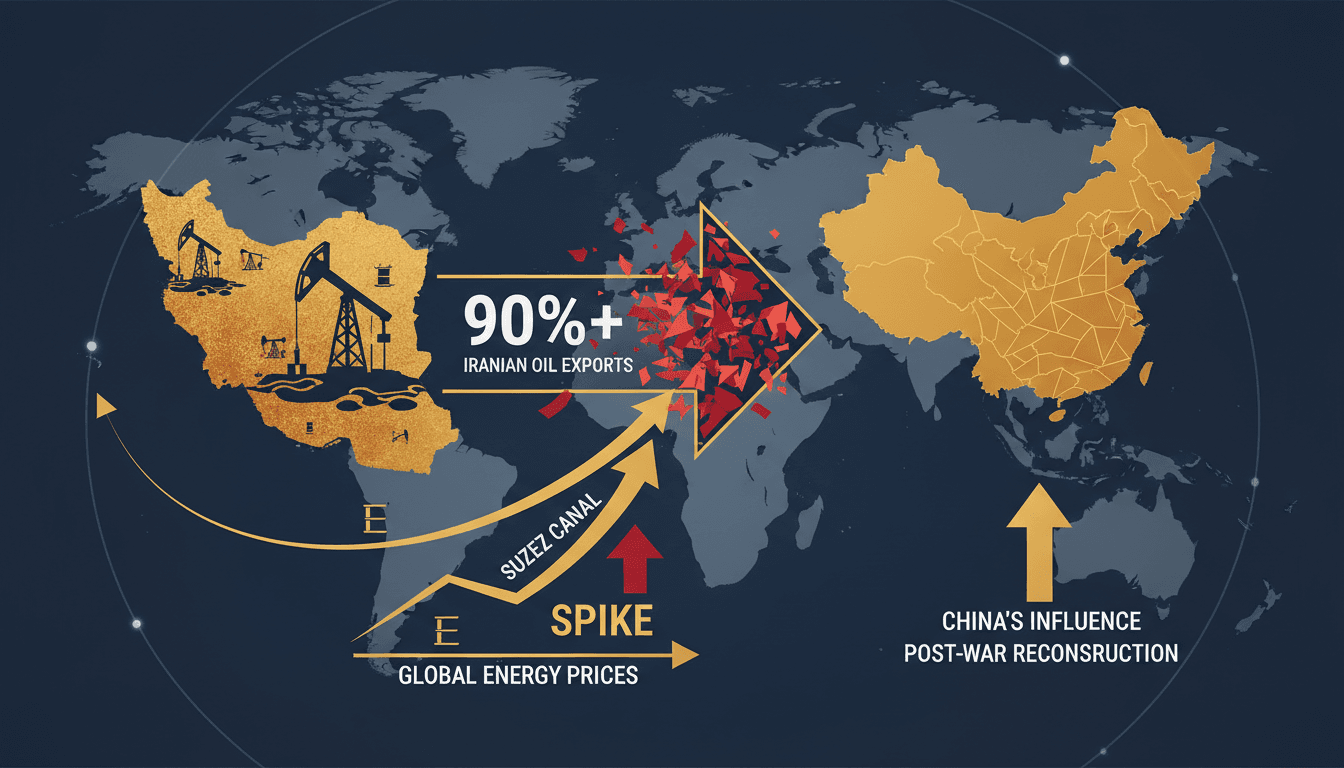
- China emerges as a key beneficiary, securing over 90% of Iran's discounted oil exports and enhancing its global influence through diplomatic mediation.
The context you actually need
- Pre-existing tensions between the US and Iran stemmed from Iran's nuclear advancements and proxy activities, leading to stalled negotiations.
- China's neutrality in the conflict has allowed it to capitalize on the situation, securing energy supplies and increasing its geopolitical leverage.
- The UAE and Gulf states are now facing heightened security concerns and economic disruptions due to Iranian strikes on their infrastructure.
What's really happening
The US-Israel war on Iran, which began with targeted airstrikes on February 28, 2026, has escalated into a complex geopolitical crisis with far-reaching implications. The assassination of Supreme Leader Ali Khamenei marked a pivotal moment, prompting Iran to retaliate aggressively by closing the Strait of Hormuz, a critical chokepoint for global oil transit. This closure has disrupted approximately 20% of the world's oil supply, leading to a surge in oil prices that peaked at $139 per barrel.
In this chaotic environment, China has positioned itself as a strategic beneficiary. By maintaining a neutral stance, China has secured over 90% of Iran's discounted oil exports, which now constitute 13% of its total imports. This acquisition not only ensures a steady supply of energy amid sanctions and disruptions but also strengthens China's economic ties with Iran, bolstered by a 25-year, $400 billion cooperation agreement.
Moreover, China's role as a mediator in the conflict has enhanced its global influence. The recent diplomatic engagement, highlighted by Iranian Foreign Minister Abbas Araghchi's visit to Beijing, underscores China's growing clout in Middle Eastern affairs. As the US and Iran engage in negotiations, China's call for a complete cessation of hostilities and the reopening of the Strait of Hormuz reflects its strategic interests in stabilizing the region.
The conflict has also triggered significant shifts in global energy markets. With the US military's focus diverted and munitions depleted, the balance of power is shifting. China's exports of electric vehicles, solar panels, and batteries have surged, capitalizing on the global energy disruptions caused by the war. This shift not only positions China favorably in the renewable energy sector but also signals a potential transition in global energy dynamics.
As the situation evolves, the implications for businesses and consumers are profound. Rising oil prices could lead to increased costs for transportation and goods, while opportunities may arise for companies engaged in renewable energy and alternative supply chains.
Who feels it first (and how)
- Energy sector professionals: Increased volatility in oil prices affects profitability and operational costs.
- Logistics and transportation companies: Rising fuel costs may lead to higher shipping rates and operational adjustments.
- Consumers: Higher energy prices could translate to increased costs for goods and services.
- Investors: Shifts in market dynamics may create new investment opportunities or risks, particularly in energy and technology sectors.
- Middle Eastern nations: Heightened security concerns and economic instability could impact tourism and foreign investments.
What to watch next
- Oil price fluctuations: Monitor how ongoing negotiations and military actions affect global oil prices, which could impact your business costs.
- China's diplomatic moves: Watch for further developments in China's role as a mediator, which could reshape alliances and trade agreements in the region.
- UAE's security measures: Increased defense spending and security protocols in the Gulf states may influence regional stability and economic conditions.
The US-Israel war on Iran has disrupted global oil supplies and escalated tensions in the region.
China will continue to strengthen its economic ties with Iran and expand its influence in the Middle East.
The long-term implications of the conflict on global energy markets and geopolitical alliances remain uncertain.
Frequently Asked Questions
- Why it matters?
- The ongoing conflict has disrupted oil supplies, impacting global energy prices and trade dynamics.
- What happened (in 30 seconds)?
- February 28, 2026: US-Israel airstrikes assassinate Iranian Supreme Leader Ali Khamenei, escalating tensions. Iran retaliates by closing the Strait of Hormuz, disrupting 20% of global oil transit and triggering a spike in oil prices. China emerges as a key beneficiary, securing over 90% of Iran's discounted oil exports and enhancing its global influence through diplomatic mediation.
- What's really happening?
- The US-Israel war on Iran, which began with targeted airstrikes on February 28, 2026, has escalated into a complex geopolitical crisis with far-reaching implications. The assassination of Supreme Leader Ali Khamenei marked a pivotal moment, prompting Iran to retaliate aggressively by closing the Strait of Hormuz, a critical chokepoint for global oil transit. This closure has disrupted approximately 20% of the world's oil supply, leading to a surge in oil prices that peaked at $139 per barrel. I
- Who feels it first (and how)?
- Energy sector professionals: Increased volatility in oil prices affects profitability and operational costs. Logistics and transportation companies: Rising fuel costs may lead to higher shipping rates and operational adjustments. Consumers: Higher energy prices could translate to increased costs for goods and services. Investors: Shifts in market dynamics may create new investment opportunities or risks, particularly in energy and technology sectors. Middle Eastern nations: Heightened se
- What to watch next?
- Oil price fluctuations: Monitor how ongoing negotiations and military actions affect global oil prices, which could impact your business costs. China's diplomatic moves: Watch for further developments in China's role as a mediator, which could reshape alliances and trade agreements in the region. UAE's security measures: Increased defense spending and security protocols in the Gulf states may influence regional stability and economic conditions.
Comprehensive coverage of Middle Eastern and global issues.
"Al Jazeera is a prominent voice from the Global South, especially the Middle East, with an emphasis on underreported stories."
— A47 Editor
What are China’s surprise gains in the war on Iran?
Iranian Foreign Minister Abbas Araghchi is currently in Beijing seeking support for a deal with the United States amid ongoing tensions in the region. His discussions with Chinese officials, including Foreign Minister Wang Yi, highlight the strategic...
Global news coverage with extensive reporting on Middle Eastern conflicts and geopolitics.
"Al Jazeera is a Qatar-based broadcaster known for wide regional coverage and alternative perspectives."
— A47 Editor
What are China’s surprise gains in the war on Iran?
Iranian Foreign Minister Abbas Araghchi is currently in Beijing seeking support for a deal with the United States amid ongoing tensions in the region. His discussions with Chinese officials, including Foreign Minister Wang Yi, highlight the strategic...
Comprehensive coverage of Middle Eastern and global issues.
"Al Jazeera is a prominent voice from the Global South, especially the Middle East, with an emphasis on underreported stories."
— A47 Editor
Araghchi in Beijing: How China could shape the direction of the US-Iran war
Iranian Foreign Minister Abbas Araghchi recently met with China's Foreign Minister Wang Yi in Beijing, emphasizing the potential for China to influence the ongoing US-Iran conflict, particularly regarding the reopening of the strategically significan...
Global news coverage with extensive reporting on Middle Eastern conflicts and geopolitics.
"Al Jazeera is a Qatar-based broadcaster known for wide regional coverage and alternative perspectives."
— A47 Editor
Araghchi in Beijing: How China could shape the direction of the US-Iran war
Iranian Foreign Minister Abbas Araghchi recently met with China's Foreign Minister Wang Yi in Beijing, emphasizing the potential for China to influence the ongoing US-Iran conflict, particularly regarding the reopening of the strategically significan...
Regional coverage and analysis focused on politics, diplomacy, and business across the Middle East.
"Al-Monitor is known for analytical reporting on Middle East politics and policy developments."
— A47 Editor
Iran foreign minister meets Chinese counterpart a week before Trump's Beijing trip
Iranian Foreign Minister Abbas Araqchi met with China's Foreign Minister Wang Yi in Beijing, highlighting the strong diplomatic ties between Iran and China just a week before U.S. President Donald Trump's scheduled visit to China. This meeting comes ...
Global news coverage with extensive reporting on Middle Eastern conflicts and geopolitics.
"Al Jazeera is a Qatar-based broadcaster known for wide regional coverage and alternative perspectives."
— A47 Editor
Iran’s Araghchi holds talks with China’s Wang Yi in Beijing
Iran's Foreign Minister Abbas Araghchi met with China's Foreign Minister Wang Yi in Beijing, just one week before President Donald Trump's scheduled visit to China. This meeting underscores the ongoing diplomatic engagement between Iran and China ami...
Comprehensive coverage of Middle Eastern and global issues.
"Al Jazeera is a prominent voice from the Global South, especially the Middle East, with an emphasis on underreported stories."
— A47 Editor
Iran’s Araghchi holds talks with China’s Wang Yi in Beijing
Iran's Foreign Minister Abbas Araghchi met with China's Foreign Minister Wang Yi in Beijing, just one week before President Donald Trump's scheduled visit to China. This meeting underscores the ongoing diplomatic engagement between Iran and China ami...
Regional coverage and analysis focused on politics, diplomacy, and business across the Middle East.
"Al-Monitor is known for analytical reporting on Middle East politics and policy developments."
— A47 Editor
Iran’s Araghchi heads to China as US presses Beijing over Hormuz: What to know
Iran's Deputy Foreign Minister Abbas Araghchi is visiting China amid rising tensions in the Strait of Hormuz, as the U.S. pressures Beijing to take a firmer stance against Tehran. This visit occurs just before President Donald Trump's anticipated tri...
Arabic-language political and world news coverage for UAE readers.
"Emarat Al Youm world coverage usually presents international developments through a UAE and Arab audience lens."
— A47 Editor
وزير الخارجية الإيراني يزور بكين لإجراء محادثات مع نظيره الصيني وزير الخارجية الإيراني يزور بكين لإجراء محادثات مع نظيره الصيني
Iranian Foreign Minister Abbas Araqchi is set to travel to China today for discussions with his Chinese counterpart. The official media reports indicate that the talks will focus on various diplomatic matters between the two nations.
Conservative-leaning political and national coverage.
"The Washington Times is a conservative-leaning newspaper known for its political coverage and advocacy of right-of-center viewpoints."
— A47 Editor
Iran's foreign minister to travel to China as Strait of Hormuz tensions simmer
Iranian Foreign Minister Abbas Araghchi is scheduled to travel to Beijing for discussions with his Chinese counterpart, marking his first meeting since the escalation of tensions involving the U.S. and Israel. This visit comes amid ongoing geopolitic...