
Oil prices rise amid escalating U.S.-Iran tensions
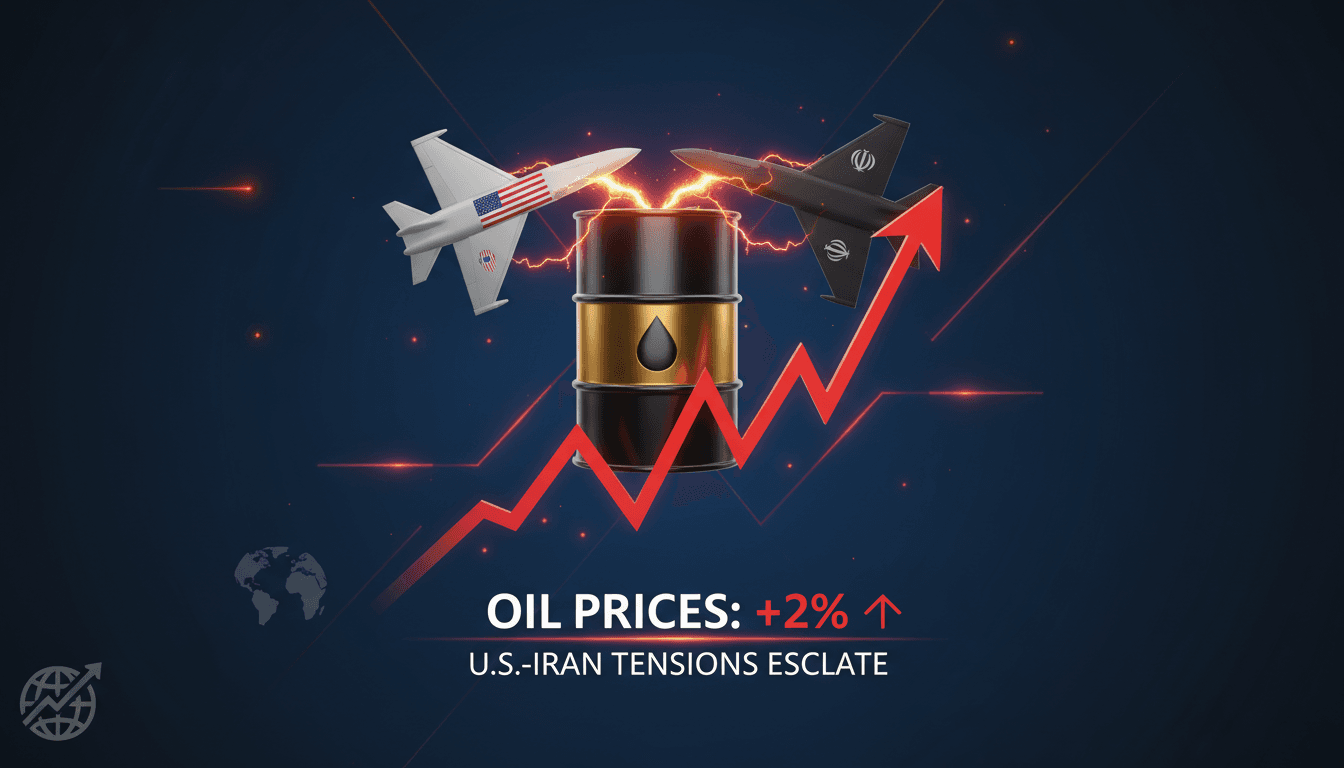
Here's what it means for you.
The recent rise in oil prices signals heightened market sensitivity to geopolitical tensions, particularly between the U.S. and Iran. Investors are increasingly concerned about potential disruptions to oil supply, which could have broader implications for global energy markets. As military actions escalate, stakeholders in the oil industry must prepare for continued volatility and potential price fluctuations. The ongoing conflict underscores the importance of monitoring geopolitical developments, as they can significantly impact oil prices and market stability. Companies and policymakers should remain vigilant in assessing the situation to mitigate risks associated with supply chain disruptions.
What happened
Oil prices surged by approximately 2% amid escalating tensions and military actions between the United States and Iran. This increase was primarily driven by ongoing U.S. airstrikes targeting Iranian positions, which have raised fears of potential supply disruptions. As a result, Brent crude futures reached $89.70 per barrel during trading on July 21, 2026.
The market's reaction reflects heightened investor concern over the stability of oil supplies in light of these geopolitical developments. The situation remains fluid, with further military actions or threats likely to influence oil prices in the near future.
The Context
The backdrop to this price increase involves a series of military confrontations between the U.S. and Iran, which have implications for regional maritime security. Iran has issued threats that could affect oil transportation routes, particularly those involving Saudi Arabia. Ongoing mediation efforts between the two nations are crucial, as they may determine the trajectory of the conflict and its impact on global oil dynamics.
As tensions rise, the oil market is closely monitoring developments that could lead to either escalation or resolution. The interplay of military actions and diplomatic efforts will be pivotal in shaping the future landscape of oil supply and pricing.
Takeaway
Looking ahead, the oil market is expected to remain volatile as the potential for further military actions looms. Stakeholders should closely monitor the outcomes of U.S.-Iran mediation efforts, as these could significantly influence market stability. Any new military actions or threats could lead to rapid changes in oil prices, making it essential for industry players to stay informed.
The situation is dynamic, and the ongoing conflict will likely continue to affect global oil supply and market conditions. Investors and policymakers must remain agile in their strategies to navigate this uncertain environment.
Arabic-language coverage of international news and geopolitics.
"RT Arabic is a Russian state-funded outlet often criticized for promoting Kremlin-aligned narratives."
— A47 Editor
النفط يرتفع مع استمرار الضربات الأمريكية لإيران
Oil prices have risen today amid increasing concerns over supply disruptions following ongoing U.S. strikes against Iran. The situation has heightened fears in the market regarding potential impacts on oil production and distribution.
Jordanian news and regional updates.
"Roya News is a Jordanian outlet focused on breaking news and local affairs."
— A47 Editor
أسعار النفط تقفز بنحو 2% مع تصاعد الضربات المتبادلة بين واشنطن وطهران
Oil prices surged by approximately 2% during trading on Tuesday, following an escalation in reciprocal strikes between Washington and Tehran. This increase reflects market reactions to geopolitical tensions that can significantly impact oil supply an...
Pan-Arab political news and analysis.
"Al-Quds Al-Arabi is a London-based Arabic newspaper known for political coverage."
— A47 Editor
النفط يرتفع وسط تجدد الهجمات وجهود الوساطة بين أمريكا وإيران
Oil prices rose on Tuesday as markets assessed reports of mediation efforts between the United States and Iran, alongside renewed exchanges of attacks and threats from Houthi forces in Yemen regarding a potential maritime blockade on Saudi Arabia. By...