
EU Agrees on New Sanctions Package Against Russia Amid Ongoing Ukraine Conflict
Here's what it means for you.
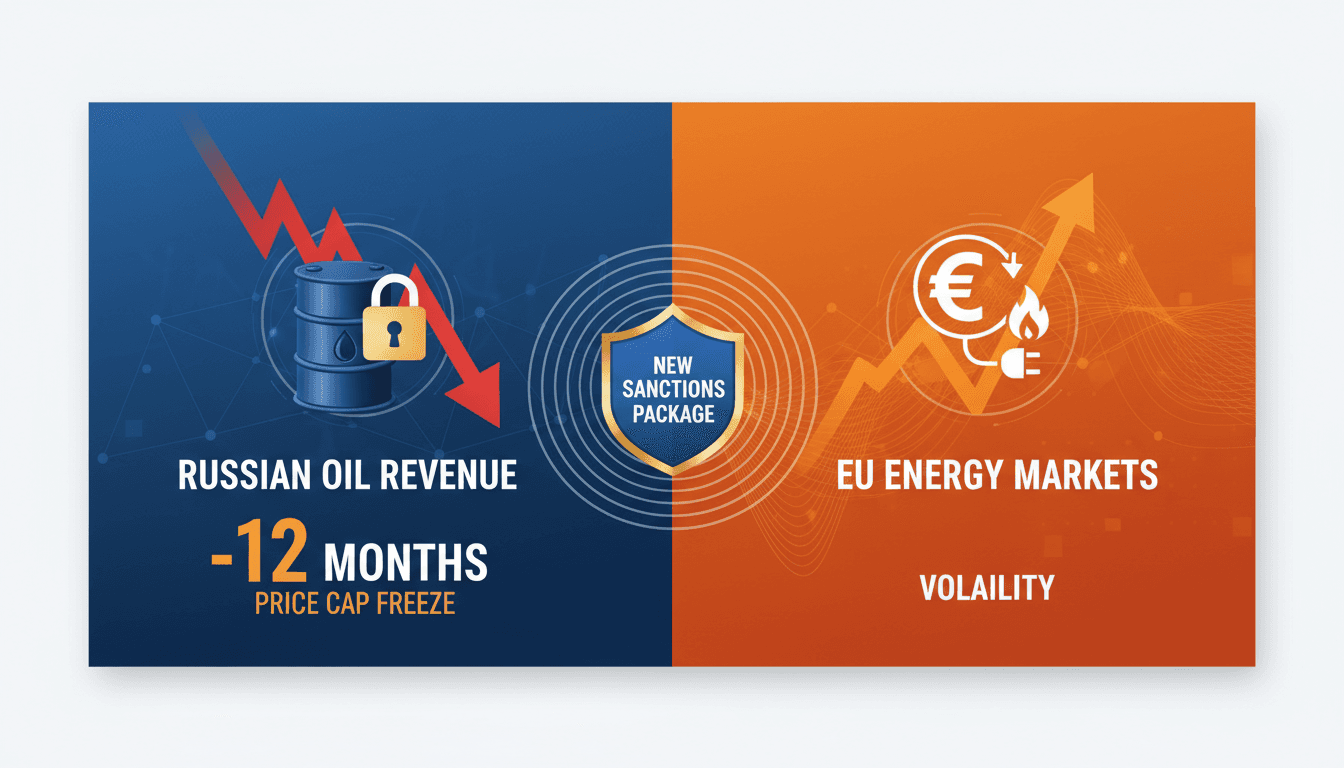
The European Union's latest sanctions package against Russia signals a robust commitment to countering the ongoing aggression in Ukraine. By implementing a 12-month freeze on the oil price cap, the EU aims to limit Russia's financial gains from oil exports, which could have significant implications for European energy markets. This decision reflects the EU's strategic approach to maintaining pressure on Russia while navigating internal challenges. As the conflict continues, businesses and policymakers should prepare for potential shifts in energy pricing and international relations. The evolving sanctions landscape may also influence diplomatic efforts to support Ukraine in the long term.
What happened
EU ambassadors have reached a political agreement on a new sanctions package against Russia, marking the 21st such initiative in response to the ongoing conflict in Ukraine. This package includes a significant 12-month freeze on the price cap for Russian oil, aimed at curbing Russia's revenue from oil exports amidst rising global prices. The decision comes after previous attempts to finalize sanctions faced challenges, highlighting the complexities within the EU.
The oil price cap is set to remain at $44 per barrel for the next year, a move designed to stabilize the market while limiting Russia's financial benefits. This agreement underscores the EU's determination to respond effectively to Russia's actions in Ukraine.
The Context
The sanctions are part of the EU's ongoing strategy to address Russia's aggression in Ukraine, which has prompted a series of economic measures aimed at reducing the Kremlin's financial leverage. The decision to freeze the oil price cap reflects a broader commitment to countering Russian influence, even as the EU grapples with internal disagreements over cultural funding related to Russia's participation in international events, such as the Venice Biennale.
The Venice Biennale's withdrawal of funding for a Russian pavilion has sparked controversy, illustrating the cultural ramifications of the conflict. As the EU navigates these complexities, the implications of the sanctions extend beyond economics, affecting diplomatic relations and public sentiment across member states.
Takeaway
The EU's continued sanctions against Russia indicate a long-term commitment to countering aggression in Ukraine, with potential implications for both European energy markets and international relations. Observers should watch for Russia's reactions to these new measures, as they may influence future diplomatic engagements.
Further developments in the EU's efforts to support Ukraine will also be critical, as the situation evolves. The sanctions package serves as a reminder of the EU's resolve to maintain pressure on Russia while addressing the multifaceted challenges posed by the ongoing conflict.
Pan-Arab news coverage spanning politics, business, sports, and regional affairs.
"Asharq Al-Awsat reflects a broad Arab editorial perspective with strong attention to regional geopolitics."
— A47 Editor
رزمة عقوبات أوروبية جديدة على روسيا
European Union ambassadors are working to reach an agreement to freeze the cap on Russian oil exports at $44 per barrel, aiming to prevent Russia from benefiting from rising oil prices. This move reflects ongoing tensions between the EU and Russia am...
European current affairs, EU politics, and regional developments.
"France 24 is viewed as a globally focused outlet with balanced coverage and a European perspective."
— A47 Editor
War in Ukraine: EU agrees 21st round of sanctions on Russia
EU ambassadors have reached a political agreement on a 21st round of sanctions against Russia in response to the ongoing war in Ukraine, which includes a 12-month freeze on the Russian oil price cap. This decision reflects the EU's commitment to exer...
Regional and international reporting focused on Middle Eastern politics, diplomacy, and economics.
"Asharq Al-Awsat is a Saudi-owned international newspaper reflecting mainstream Gulf political perspectives."
— A47 Editor
EU Ambassadors Agree 21st Sanctions Package against Russia
EU ambassadors have reached an agreement on the 21st sanctions package against Russia, reflecting ongoing tensions stemming from Russia's military actions in Ukraine and its broader geopolitical maneuvers. This package is part of the EU's sustained e...
International coverage from The Guardian's global desks.
"The Guardian is known for its progressive editorial stance and in-depth analysis."
— A47 Editor
New Ukraine army chief vows to step up counteroffensive as EU bids to finalise fresh Russia sanctions – as it happened
The new chief of the Ukrainian army has pledged to intensify counteroffensive operations against Russian forces as discussions in Brussels aim to finalize a 21st package of sanctions against Russia. This comes amid ongoing military aggression from Ru...