
Sanctions
Latest news, analysis, and updates on Sanctions from A47 News.
29 stories in World · Updated live
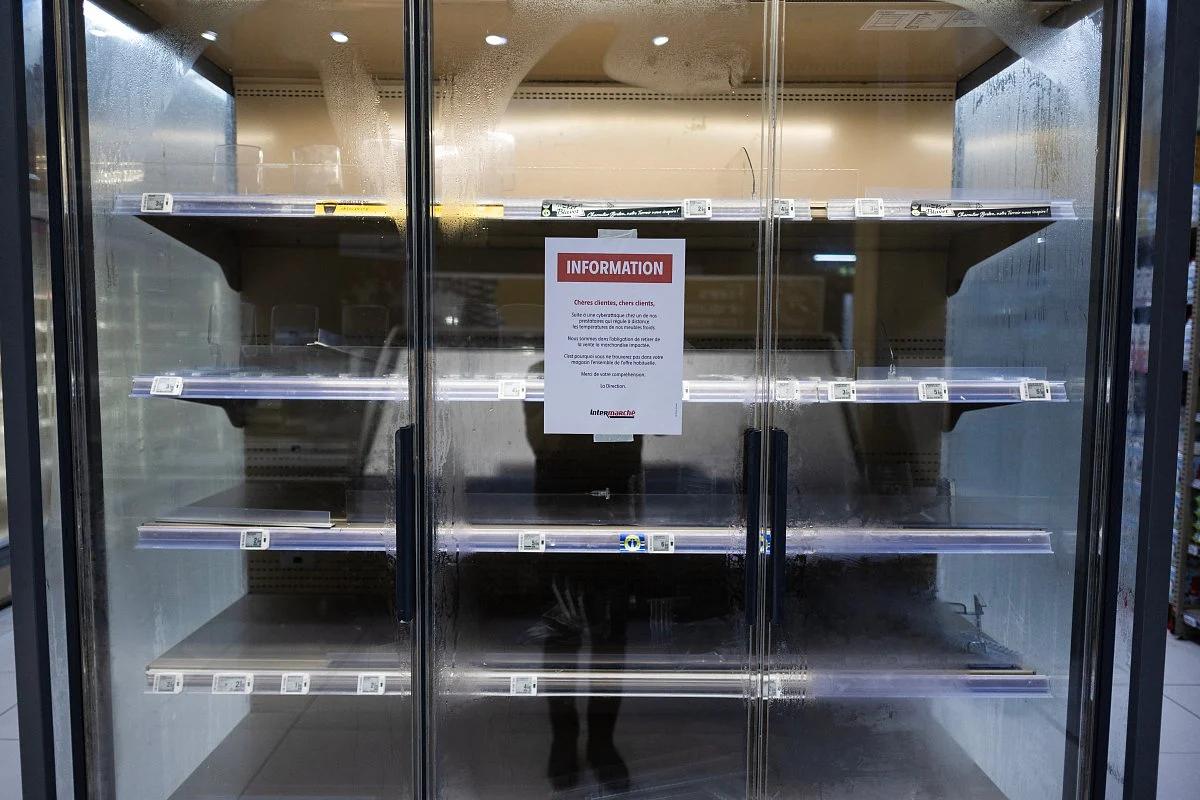
France Attributes Supermarket Refrigeration Cyberattacks to IRGC Unit as Iran Rejects Accusations
France has attributed hacking of refrigeration controllers at roughly 700 French retail sites in October 2026 to the IRGC-linked cyber unit Shahid Kaveh, and Iran has categorically denied involvement. The attribution followed forensic findings on Farsi traces, IP addresses and infrastructure patterns, prompting a summons of Iran's ambassador, judicial arrest warrants and calls for EU sanctions. The dispute is likely to harden Europe-Iran diplomatic hostility and push the EU toward a coordinated sanctions and cyber-deterrence framework.
US Treasury Secretary Bessent Relocated to Military Base Over Iranian Threats
US Treasury Secretary Scott Bessent has relocated from his Washington DC-area residence to a US military base after intelligence assessments identified Iranian plotting against him. The move follows US intelligence findings that Iranian threats against American officials had reached advanced stages, linked to Bessent's leadership of the sanctions campaign against Iran during the ongoing US-Israeli conflict that began February 28 2026. The Treasury has confirmed the relocation while maintaining that the sanctions pressure campaign will continue, and Bessent is the third Trump Cabinet member after Rubio and Hegseth to take such protective measures, signalling sustained security risk for senior officials enforcing the Iran sanctions regime.
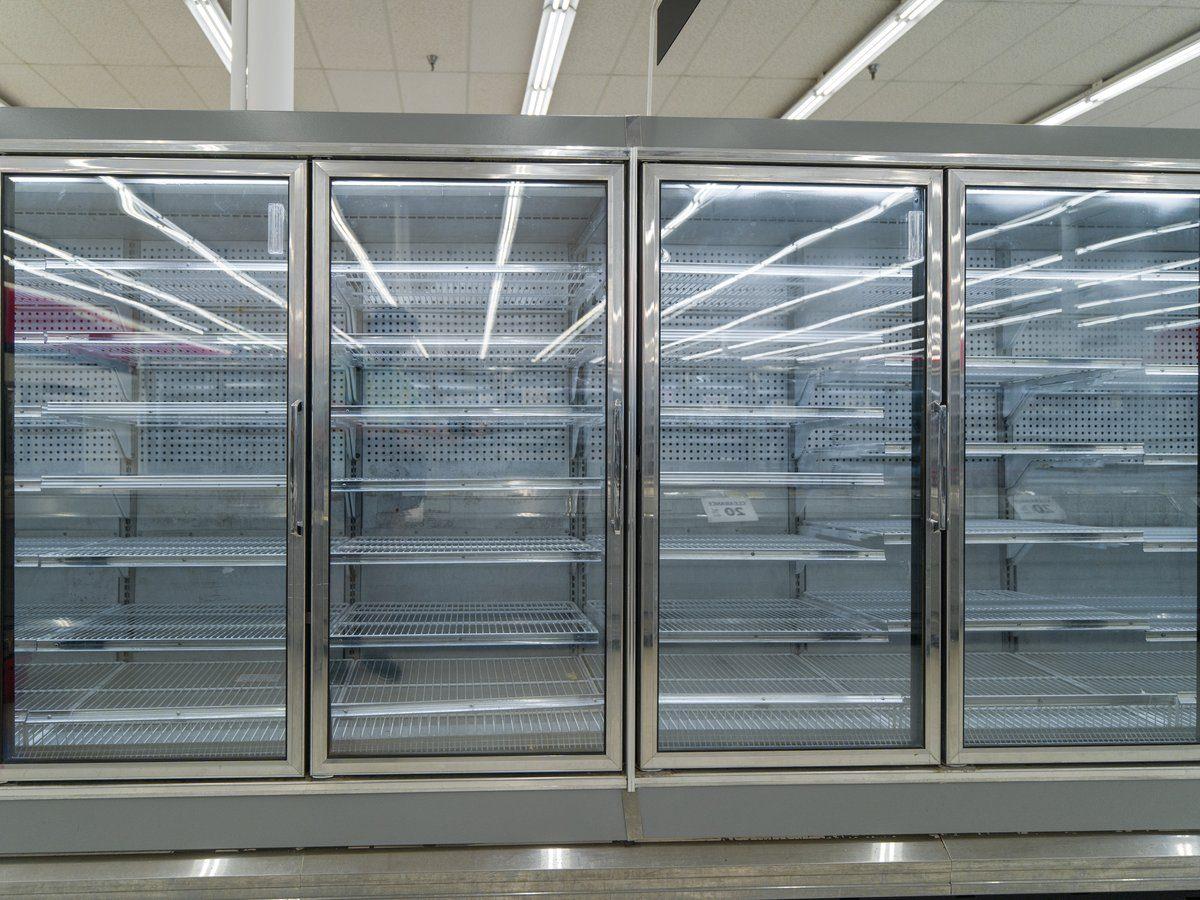
France Attributes October Supermarket Refrigeration Sabotage to IRGC-Linked Shahid Kaveh Group
French authorities have publicly attributed a cyberattack that remotely overheated refrigeration systems at roughly 700 supermarkets to the Iranian cyber unit Shahid Kaveh, an IRGC affiliate. The attribution followed the October 11-12, 2026 operation, which caused food spoilage, equipment damage and fires, and was linked to Iran via reused infrastructure, Farsi artifacts and Iranian IP traces. The incident is likely to drive EU sanctions, international arrest warrant requests and a broader European push to harden critical retail and cold-chain infrastructure against state-linked sabotage.
Joshua Wong Sentenced to 10 Years in Prison for Foreign Collusion Under Hong Kong National Security Law
On November 5, 2026, Hong Kong's High Court sentenced pro-democracy activist Joshua Wong to 10 years in prison for conspiring with exiled activist Nathan Law to urge foreign sanctions against China and Hong Kong. The sentence follows Wong's September guilty plea and a 13-year starting point reduced for mitigation, with the term running largely concurrently with his existing subversion sentence and extending his detention beyond the previously expected January 2027 release. This second conviction under the national security law signals continued Beijing-backed enforcement against opposition figures and is likely to reinforce international criticism and Western diplomatic pressure on Hong Kong's human rights record.
Latest Stories
US Treasury Secretary Bessent Relocated to Military Base Over Iranian Threats
US Treasury Secretary Scott Bessent has relocated from his Washington DC-area residence to a US military base after intelligence assessments identified Iranian plotting against him. The move follows US intelligence findings that Iranian threats against American officials had reached advanced stages, linked to Bessent's leadership of the sanctions campaign against Iran during the ongoing US-Israeli conflict that began February 28 2026. The Treasury has confirmed the relocation while maintaining that the sanctions pressure campaign will continue, and Bessent is the third Trump Cabinet member after Rubio and Hegseth to take such protective measures, signalling sustained security risk for senior officials enforcing the Iran sanctions regime.
US Expands Land and Maritime Pressure on Iran as Qatar Mediates Strait of Hormuz Reopening
On November 9, 2026, the United States expanded economic and military pressure on Iran through Task Force Iron Gate targeting land and Caspian supply routes while Qatar intensified mediation over the Strait of Hormuz. Iran maintained preconditions of halting strikes and lifting the port blockade before resuming nuclear talks, following reported US strikes on Qeshm Island and a Washington meeting between Donald Trump and Qatar's Prime Minister. The mediation is likely to remain contingent on reciprocal sanctions relief and IAEA access, with Hormuz traffic and oil prices serving as the principal measures of whether a sequenced de-escalation can take hold.
US Commerce Delays Entity List Additions Leaving Megaspeed Off Blacklist Despite Multi-Agency Advocacy
On November 10, 2026, the US Commerce Department deferred new Entity List additions for two months, leaving Singapore-based Megaspeed unlisted despite advocacy from the State, Energy, Treasury, and Defense departments over suspected diversion of Nvidia chips to China. The delay follows more than a year without any Entity List additions, the longest such gap in 18 years, and comes while the DOJ and Singapore police continue separate criminal inquiries and Nvidia's voluntary sales block remains in place. The horizon points to continued inter-agency friction over export enforcement, with data center operators reassessing exposure to Megaspeed and pressure mounting for a resolution that either lists the company or clarifies the Commerce review criteria.
US Prioritizes Sanctions and Naval Blockade Over Military Action Against Iran as Mediation Advances
On November 10, 2026, US Secretary of State Marco Rubio stated that economic sanctions and a naval blockade have made large-scale military operations against Iran unnecessary. The statement followed President Trump's November 9 remarks citing positive momentum in negotiations to end the eight-month conflict and Qatari mediation efforts after the February 2026 US-Israeli strikes. Washington is likely to sustain economic pressure while keeping military options open for contingencies, with diplomatic channels through Qatar and Gulf partners shaping whether the conflict moves toward de-escalation or renewed escalation.