
Progress in Strait of Hormuz Navigation Talks Amid Rising Tensions
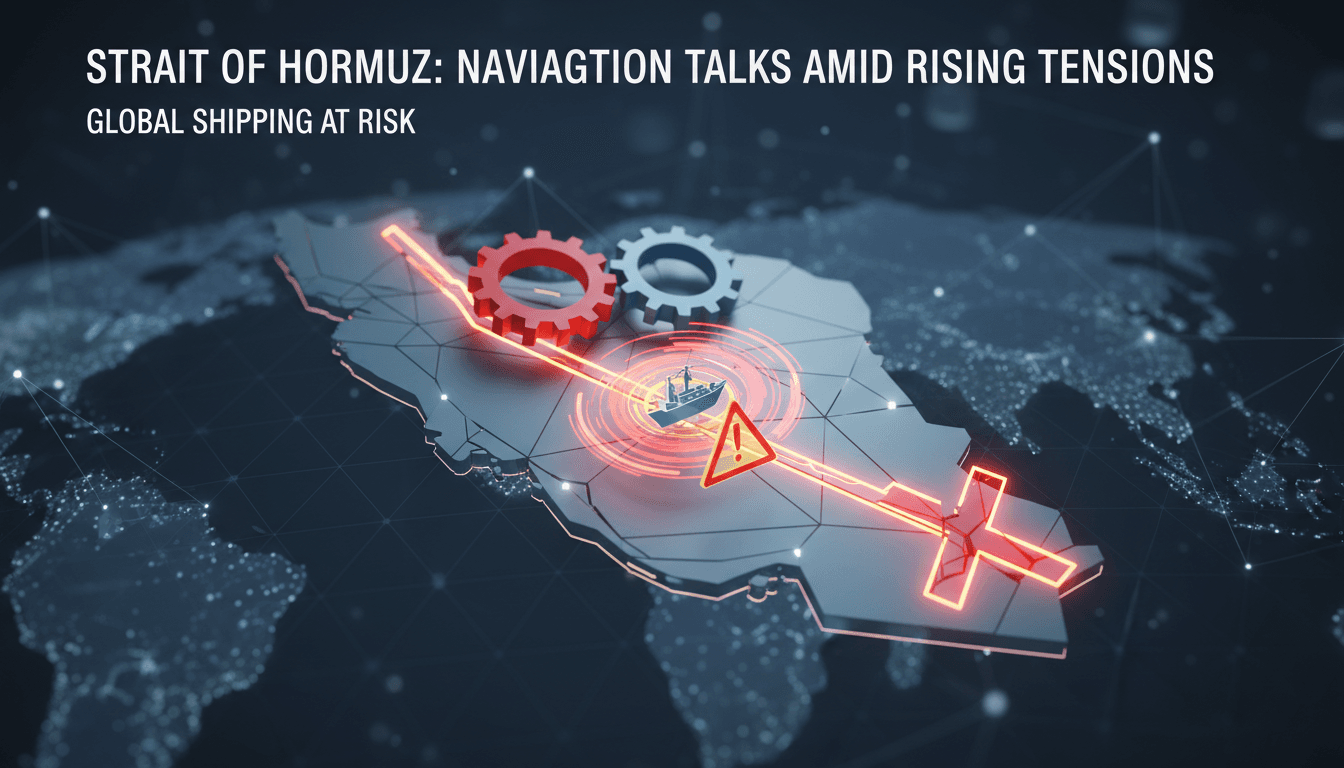
What happened
Recent consultations on navigation arrangements in the Strait of Hormuz have shown progress, despite Iran's firm refusal to keep the southern route open. The U.S. has criticized Iran for what it describes as exaggerated demands, complicating the negotiation process. Reports indicate that Iranian vessels are actively blocking maritime traffic, further heightening tensions in the region.
This standoff has drawn attention to the strategic importance of the Strait of Hormuz, a critical passage for global oil shipments. As discussions continue, the potential for maritime confrontations remains a pressing concern.
The Context
The Strait of Hormuz is a vital maritime route, with one of the world's most significant oil shipping passages passing through it. Iran's refusal to keep the southern route open is a direct challenge to U.S. maritime policies, which aim to ensure free navigation. The U.S. has expressed concerns over Iran's demands, framing them as exaggerated and detrimental to regional stability.
The backdrop of these negotiations is marked by a history of confrontations between Iranian and U.S. forces in the region. As both sides maintain their positions, the implications for international shipping and regional security are profound, making this a critical issue for global markets.
Takeaway
As negotiations progress, the likelihood of increased maritime tensions remains high. Both Iran and the U.S. appear committed to their current stances, which could lead to further confrontations in the Strait of Hormuz. Stakeholders should prepare for potential disruptions in shipping routes, as the situation continues to evolve.
Future developments in U.S.-Iran negotiations regarding maritime security will be crucial to watch. The outcome of these discussions will significantly impact not only regional stability but also global shipping dynamics.
Pan-Arab news coverage spanning politics, business, sports, and regional affairs.
"Asharq Al-Awsat reflects a broad Arab editorial perspective with strong attention to regional geopolitics."
— A47 Editor
تقدم «مشاورات هرمز» وسط تشدد إيراني
Regional consultations regarding navigation arrangements in the Strait of Hormuz have made progress, despite Tehran's firm stance against keeping the southern route open and its warning of potential new American sanctions.
Jordanian news and regional updates.
"Roya News is a Jordanian outlet focused on breaking news and local affairs."
— A47 Editor
مسؤول أمريكي: إيران تبالغ بمطالبها بشأن هرمز.. والاتفاق يقتصر على التنسيق
A U.S. official has stated that Iran is exaggerating its demands regarding the Strait of Hormuz, indicating that any agreement will be limited to coordination efforts. This comment highlights ongoing tensions between the U.S. and Iran concerning mari...
Arabic-language coverage of international news and geopolitics.
"RT Arabic is a Russian state-funded outlet often criticized for promoting Kremlin-aligned narratives."
— A47 Editor
طوابير من سفن تصطف قرب مضيق هرمز وسط قيود إيرانية وحصار بحري أمريكي
Iranian news agency Fars reported on Monday that numerous ships are anchored near the Strait of Hormuz, awaiting permission from Iran to transit the strategic waterway. This situation highlights the ongoing tensions in the region, influenced by Irani...