
China Negotiates with Houthis for Safe Passage of Oil Tankers in Red Sea
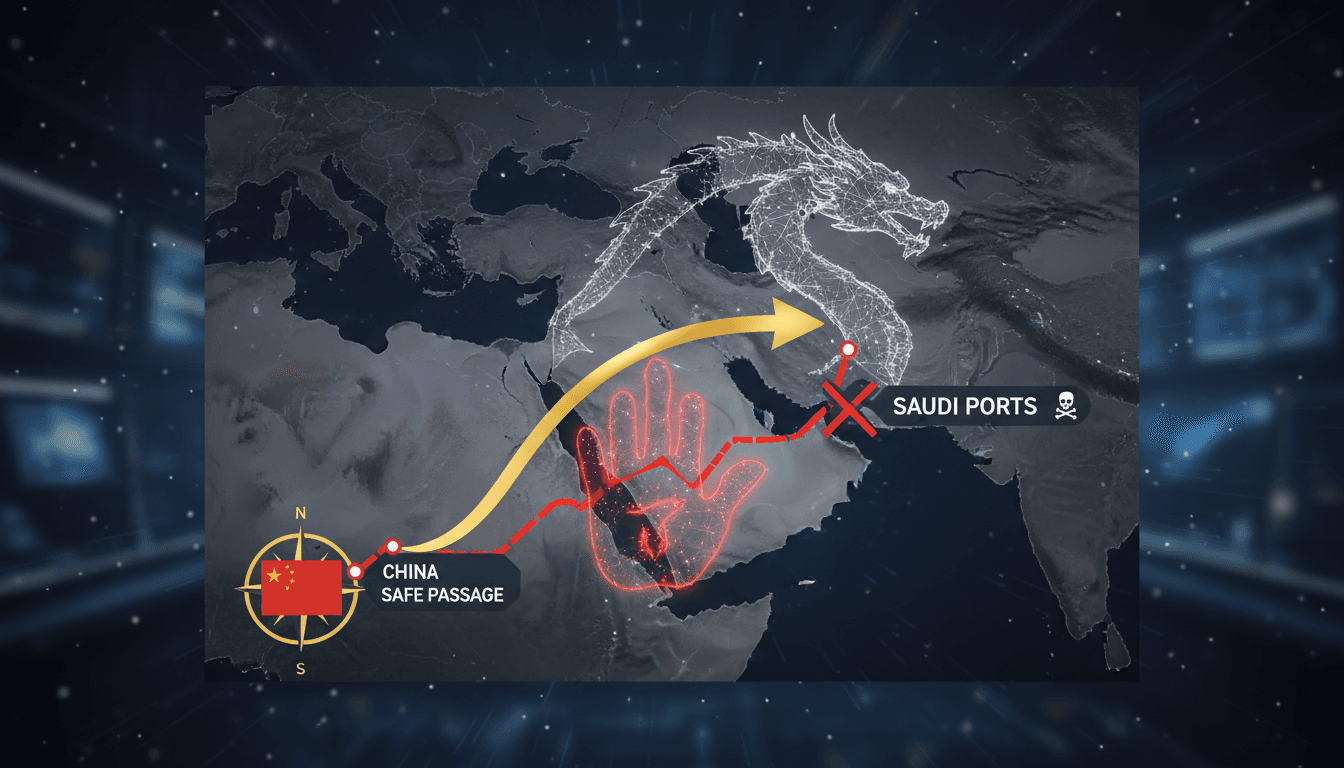
Here's what it means for you.
China's negotiations with the Houthi movement signal a strategic pivot in maritime security, particularly for energy supply routes. As tensions rise in the Red Sea, the implications for global shipping and regional stability are significant. Stakeholders in energy markets should closely monitor these developments, as they could reshape shipping dynamics and geopolitical relations.
What happened
China has engaged in direct negotiations with Yemen's Houthi movement to secure safe passage for its oil tankers through the southern Red Sea. This initiative follows the Houthis' pledge to restrict access to Saudi ports, raising concerns about maritime security in the region. Reports indicate that six sources, including a senior Iranian official, have confirmed the ongoing discussions.
The negotiations reflect China's proactive approach to ensuring the safety of its maritime routes, which are crucial for its energy supply. As the situation evolves, the outcome of these talks could have far-reaching implications for shipping operations in the area.
The Context
The Houthis, aligned with Iran, have threatened to block access to Saudi ports, which adds a layer of complexity to the negotiations. China's interest in securing these maritime routes is vital for maintaining its energy security, especially amid rising geopolitical tensions. This development underscores China's growing involvement in Middle Eastern geopolitics and its efforts to navigate the intricate dynamics of the region.
The timing of these negotiations is critical, as they come at a moment when regional stability is increasingly uncertain. The potential for altered shipping routes could have significant repercussions for international trade and energy markets.
Takeaway
The outcome of China's negotiations with the Houthis could significantly impact shipping routes and regional stability in the Red Sea. Stakeholders should monitor further developments in China-Houthi relations, as well as potential responses from Saudi Arabia and other regional players. The implications of these talks may reshape maritime dynamics and influence broader geopolitical relations in the area.
As China seeks to bolster its energy security, the international community will be watching closely to see how these negotiations unfold and what they mean for the future of maritime trade in the region.
Arabic-language coverage of international news and geopolitics.
"RT Arabic is a Russian state-funded outlet often criticized for promoting Kremlin-aligned narratives."
— A47 Editor
رويترز: الصين تتفق مع الحوثيين على عبور ناقلات النفط إلى البحر الأحمر
Reuters reported that China has engaged in direct talks with the Houthis in Yemen to ensure the safe passage of its oil tankers through the southern Red Sea, according to six informed sources, including a senior Iranian official.
Regional coverage and analysis focused on politics, diplomacy, and business across the Middle East.
"Al-Monitor is known for analytical reporting on Middle East politics and policy developments."
— A47 Editor
China in touch with Yemen's Houthis to allow ships to sail through Red Sea, sources say
China has engaged in direct discussions with Yemen's Houthi movement to facilitate the safe passage of its tankers through the southern Red Sea, following the Houthis' commitment to prevent access to Saudi ports. This development comes amid rising te...
Oil, metals, and agriculture: supply/demand headlines, OPEC chatter, inventories, and price action.
"Solid tape for energy and metals traders tracking macro and micro catalysts."
— A47 Editor
China in touch with Yemen’s Houthis to allow ships to sail through Red Sea, sources say
China is reportedly in contact with Yemen's Houthi rebels to facilitate the safe passage of ships through the Red Sea, a critical maritime route. This development comes amid heightened tensions in the region, particularly following the Houthis' recen...