
Iran and U.S. Maintain Indirect Communication Amid Rising Military Tensions
What happened
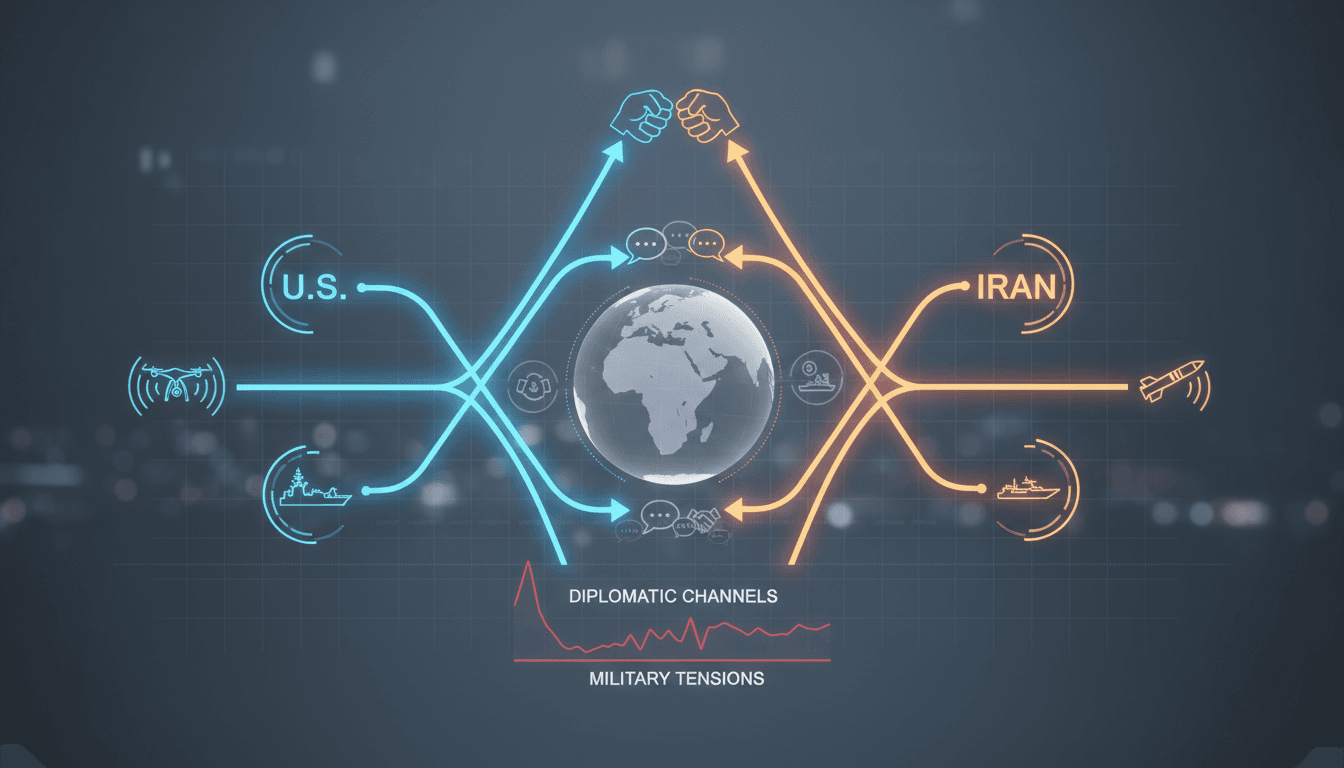
Iran has confirmed that it continues to exchange messages with the United States through intermediaries amid escalating military tensions. This communication underscores Iran's commitment to defending its sovereignty, particularly concerning the strategic Strait of Hormuz. Despite the ongoing military posturing, Iranian officials assert their dedication to pursuing diplomatic solutions.
The U.S. has conducted military operations targeting Iranian sites to ensure maritime security, further complicating the situation. Iran's Foreign Ministry spokesperson emphasized that national defense takes precedence over negotiations, indicating a firm stance against U.S. influence in the region. Currently, there are no formal negotiations between the two nations.
The Context
The backdrop of this situation involves Iran's insistence on its right to defend its sovereignty against perceived U.S. dominance. The Strait of Hormuz is a critical point for international shipping and security, making it a focal point of contention. Recent military actions by the U.S. have heightened tensions, prompting Iran to engage in discussions with intermediaries, including Oman, which have been described as positive.
As military operations continue, the dynamics between the U.S. and Iran remain fluid. The lack of formal negotiations indicates a reliance on indirect communication channels, which may shape future interactions. The ongoing military posturing and diplomatic efforts will be crucial in determining the trajectory of U.S.-Iran relations.
Takeaway
Looking ahead, the situation remains tense, with both sides prioritizing their national interests while maintaining indirect communication. Potential developments may arise from continued exchanges through intermediaries, which could influence future diplomatic engagements. Observers should also be aware of the possibility of further military actions by the U.S. in the region, which could escalate tensions further.
The focus on diplomatic channels amidst military posturing suggests that regional stability will remain a critical concern. Stakeholders should stay informed about any shifts in communication or military strategy that could impact international shipping routes and broader geopolitical dynamics.
Arabic-language coverage of political affairs and current events.
"Okaz political coverage typically follows mainstream Saudi framing on national and regional affairs."
— A47 Editor
طهران: مستمرون في تبادل الرسائل مع واشنطن عبر الوسطاء
Iran has confirmed that it continues to exchange messages with the United States through intermediaries, emphasizing its commitment to diplomatic solutions and asserting that it will not allow Washington to dominate the Strait of Hormuz. Iranian Fore...
Pan-Arab political news and analysis.
"Al-Quds Al-Arabi is a London-based Arabic newspaper known for political coverage."
— A47 Editor
طهران: الأمريكيون يواصلون تبادل الرسائل لكن أولويتنا الدفاع عن إيران
In a recent statement, Iranian Foreign Ministry spokesman Ismail Baqaei indicated that while Americans continue to exchange messages, Iran's priority remains its self-defense. This remark reflects ongoing tensions and the complexities of diplomatic c...
Arabic-language coverage of international news and geopolitics.
"RT Arabic is a Russian state-funded outlet often criticized for promoting Kremlin-aligned narratives."
— A47 Editor
الخارجية الإيرانية: مازلنا نتبادل الرسائل مع أمريكا والوسطاء يقومون بمهمتهم
The Iranian Foreign Ministry spokesperson, Ismail Baqaei, confirmed that the United States and Iran are still exchanging messages through intermediaries, emphasizing that Tehran's priority remains the defense of its sovereignty.