
Iran Closes Strait of Hormuz Amid Rising U.S. Tensions
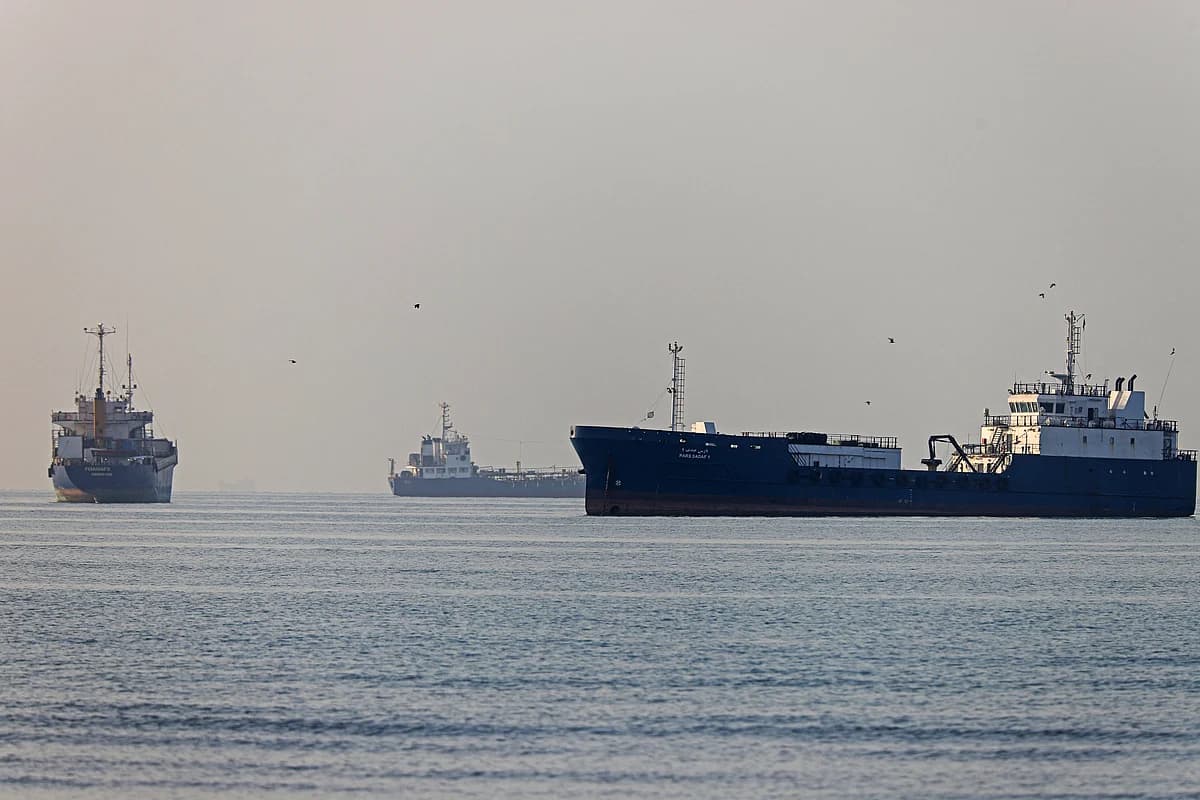
Here's what it means for you.
If you rely on oil or shipping logistics, prepare for potential disruptions and increased costs.
Why it matters
The Strait of Hormuz is a critical chokepoint for global oil supply, impacting prices and trade routes.
What happened (in 30 seconds)
- Iran's IRGC declared the Strait of Hormuz "completely closed" to all maritime traffic following strikes on two vessels.
- The U.S. Central Command countered, asserting that commercial shipping continues without interruption.
- Tensions have escalated significantly since early 2026, with ongoing military actions from both Iran and the U.S.
The context you actually need
- 20% of the world's oil supply transits through the Strait of Hormuz, making it vital for global energy security.
- Military engagements between Iran and the U.S. have increased, threatening the fragile ceasefire established in April 2026.
- Recent incidents, including the downing of a U.S. military helicopter, have heightened fears of a broader conflict.
What's really happening
On June 10, 2026, the Islamic Revolutionary Guard Corps (IRGC) of Iran announced a significant escalation in its military posture by declaring the Strait of Hormuz closed to all maritime traffic. This declaration followed reported strikes on two vessels that the IRGC claimed were attempting to transit the strait illegally. The IRGC's warning that any vessel attempting to pass would be fired upon underscores the seriousness of the situation. In stark contrast, the U.S. Central Command has maintained that the strait remains open and that commercial shipping continues without incident. This conflicting information highlights the ongoing tensions and the potential for military escalation in the region.
The Strait of Hormuz is not just a regional concern; it is a global economic artery. Approximately 20% of the world's oil supply passes through this narrow waterway, making any disruption a matter of international significance. The IRGC's aggressive stance is a response to a series of military engagements and retaliatory strikes that have characterized U.S.-Iran relations since early 2026. The fragile ceasefire established in April has been increasingly threatened by ongoing military actions, leading to heightened fears of a broader conflict that could disrupt global oil supplies.
The U.S. has responded to Iran's provocations with additional military strikes against Iranian targets, further complicating the situation. As tensions rise, oil markets have reacted swiftly, with prices spiking following Iran's announcement. This volatility is likely to continue as the situation develops, impacting not only oil prices but also shipping routes and logistics, particularly for countries reliant on oil imports.
The implications of this conflict extend beyond immediate military concerns. The potential for a broader conflict could lead to significant disruptions in global oil supply chains, affecting everything from fuel prices at the pump to the cost of goods and services that rely on oil for transportation. As the situation evolves, stakeholders across various sectors must remain vigilant and prepared for potential disruptions.
Who feels it first (and how)
- Oil companies: Increased prices and potential supply chain disruptions.
- Shipping industries: Altered routes and increased insurance costs.
- Consumers: Higher fuel prices and costs for goods reliant on oil.
- Middle Eastern countries: Economic instability and potential conflict spillover.
What to watch next
- Oil price fluctuations: Watch for spikes in oil prices as tensions escalate, which could affect global markets.
- Military engagements: Monitor any further military actions from both Iran and the U.S., as these could lead to broader conflict.
- International diplomatic responses: Observe how other nations react, as their involvement could influence the situation's trajectory.
The Strait of Hormuz is critical for global oil supply, with 20% of the world's oil transiting through it.
Oil prices will continue to rise as tensions escalate and military actions increase.
The long-term implications of this conflict on global trade and energy security remain uncertain.
Frequently Asked Questions
- Why it matters?
- The Strait of Hormuz is a critical chokepoint for global oil supply, impacting prices and trade routes.
- What happened (in 30 seconds)?
- Iran's IRGC declared the Strait of Hormuz "completely closed" to all maritime traffic following strikes on two vessels. The U.S. Central Command countered, asserting that commercial shipping continues without interruption. Tensions have escalated significantly since early 2026, with ongoing military actions from both Iran and the U.S.
- What's really happening?
- On June 10, 2026, the Islamic Revolutionary Guard Corps (IRGC) of Iran announced a significant escalation in its military posture by declaring the Strait of Hormuz closed to all maritime traffic. This declaration followed reported strikes on two vessels that the IRGC claimed were attempting to transit the strait illegally. The IRGC's warning that any vessel attempting to pass would be fired upon underscores the seriousness of the situation. In stark contrast, the U.S. Central Command has maintai
- Who feels it first (and how)?
- Oil companies: Increased prices and potential supply chain disruptions. Shipping industries: Altered routes and increased insurance costs. Consumers: Higher fuel prices and costs for goods reliant on oil. Middle Eastern countries: Economic instability and potential conflict spillover.
- What to watch next?
- Oil price fluctuations: Watch for spikes in oil prices as tensions escalate, which could affect global markets. Military engagements: Monitor any further military actions from both Iran and the U.S., as these could lead to broader conflict. International diplomatic responses: Observe how other nations react, as their involvement could influence the situation's trajectory.
Regional and international reporting focused on Middle Eastern politics, diplomacy, and economics.
"Asharq Al-Awsat is a Saudi-owned international newspaper reflecting mainstream Gulf political perspectives."
— A47 Editor
US Attacks Iran for Second Day, Denies Strait of Hormuz Closed
The United States has launched attacks on Iran for a second consecutive day, amidst escalating tensions in the region. The U.S. government has denied claims that the Strait of Hormuz is closed, a vital shipping route for global oil supplies. This mil...
UAE-based English-language newspaper covering regional politics, economics, and global affairs.
"The National reflects Emirati policy perspectives while maintaining international editorial standards."
— A47 Editor
What we know: US strikes Iran again as Tehran claims Strait of Hormuz closure
The United States has conducted military strikes against Iran for the second consecutive day, following the downing of a U.S. Apache helicopter attributed to Iranian forces near the strategically vital Strait of Hormuz. In response, Iran has declared...
Breaking news and analysis from the UAE and Gulf region.
"Khaleej Times is a long-running UAE publication with broad regional coverage."
— A47 Editor
Iran declares Strait of Hormuz 'completely closed'; US says ships continue to transit
Iran has declared the Strait of Hormuz 'completely closed' following military escalations, including the reported targeting of two ships by the IRGC navy, which Iranian media claims were attempting to pass illegally through the strait. This closure c...
UAE-based newspaper covering Gulf politics, society, and international developments.
"Gulf News is one of the UAE’s most prominent English-language publications."
— A47 Editor
US renews attacks amid Hormuz and Oman flashpoints; Trump vows 'very hard' strike and Kharg Island seizure, then cancels and touts Europe peace deal signing
The United States has intensified military actions in the Middle East, renewing airstrikes against Iranian positions amid escalating tensions in the Strait of Hormuz and Oman. President Trump initially threatened a significant strike and the seizure ...
A curated Gulf News feed featuring major stories across news, business, opinion, and lifestyle.
"Gulf News is a major UAE newspaper whose featured stories feed reflects a broad editorial mix shaped for a Gulf audience."
— A47 Editor
US renews attacks amid Hormuz and Oman flashpoints; Trump vows 'very hard' strike and Kharg Island seizure, then cancels and touts Europe peace deal signing
The United States has intensified military actions in the Middle East, renewing airstrikes against Iranian positions amid escalating tensions in the Strait of Hormuz and Oman. President Trump initially threatened a significant strike and the seizure ...
Comprehensive coverage of Middle Eastern and global issues.
"Al Jazeera is a prominent voice from the Global South, especially the Middle East, with an emphasis on underreported stories."
— A47 Editor
Iran announces closure of Strait of Hormuz following US strikes
Iranian officials have announced the closure of the Strait of Hormuz in response to recent U.S. airstrikes targeting Iranian facilities. This strategic waterway is crucial for global oil transportation, and its closure raises significant concerns abo...
Research, news, and analysis on blockchain startups, DeFi, and regulations.
"Crypto Briefing provides research, news, and analysis on blockchain startups, DeFi, and crypto regulations with investor-focused coverage."
— A47 Editor
Iran closes Strait of Hormuz and launches missile attacks as US-Iran conflict reshapes crypto markets
Iran has closed the Strait of Hormuz and launched missile attacks, escalating tensions with the United States and impacting global oil dynamics. This closure, coupled with military actions, signals a significant shift in geopolitical stability in the...
European coverage of Middle East politics and security issues.
"France 24 offers international reporting with a European editorial perspective."
— A47 Editor
Iran has not reached decision on US deal, denying Trump's claims
Iran has stated that it has not made a final decision regarding a deal with the United States, contradicting President Donald Trump's claims of a significant settlement to end ongoing hostilities. Trump had announced that he would refrain from furthe...
Coverage of current events and conflicts in the Middle East.
"France 24 is viewed as a globally focused outlet with balanced coverage and a European perspective."
— A47 Editor
Iran has not reached decision on US deal, denying Trump's claims
Iran has stated that it has not made a final decision regarding a deal with the United States, contradicting President Donald Trump's claims of a significant settlement to end ongoing hostilities. Trump had announced that he would refrain from furthe...
Global markets, investing, and macroeconomics from a premier financial newsroom.
"Bloomberg is respected for in-depth financial reporting and data-driven analysis."
— A47 Editor
Oil Tumbles as Trump Signals US Drawing Closer to Deal With Iran
Oil prices have dropped to their lowest levels since April following comments from US President Donald Trump, who indicated that a peace deal with Iran could be finalized as early as the weekend. This announcement has led to speculation about a poten...