
Qatari LNG tanker attacked in Strait of Hormuz prompting emergency gas imports from the U.S.
What happened
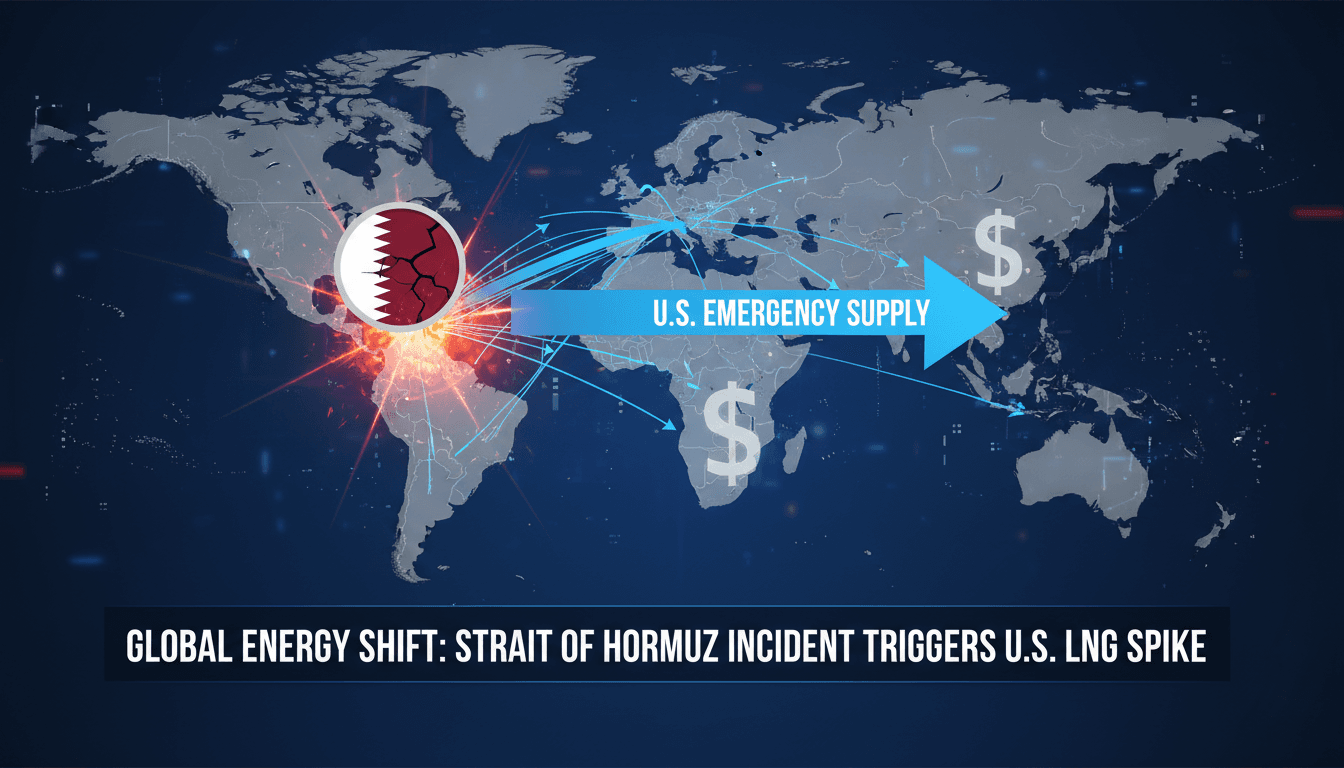
A Qatari LNG tanker was struck by a projectile while transiting the Strait of Hormuz, raising alarms over potential energy supply disruptions. In response to this incident, Qatar has sought alternative gas supplies, resulting in significant emergency spending on U.S. LNG imports. Following the attack, Qatar successfully dispatched its first LNG shipment through the Strait since the incident, indicating a swift recovery effort.
The attack occurred on August 1, 2026, and has since prompted Qatar to reassess its energy sourcing strategies. The urgency of the situation is underscored by the financial commitment of approximately $1 billion towards securing U.S. LNG.
The Context
The Strait of Hormuz is a critical waterway for global energy supplies, making it a focal point for geopolitical conflicts. The ongoing tensions in the region have increasingly affected LNG trade dynamics, with Qatar's reliance on U.S. gas imports surging due to supply disruptions. This incident not only highlights the vulnerability of energy supply routes but also the shifting landscape of global energy sourcing.
As geopolitical conflicts evolve, the implications for energy markets become more pronounced. Stakeholders must navigate these complexities as they seek to ensure stable energy supplies amidst uncertainty.
Takeaway
The ongoing geopolitical tensions may lead to further shifts in global LNG trade patterns, with increased reliance on alternative suppliers becoming a necessity. The situation warrants close attention, particularly regarding the potential escalation of conflicts in the Gulf region and its impact on global LNG prices.
As Qatar continues to adapt to these challenges, the energy sector should prepare for potential volatility in supply chains and pricing structures. The long-term implications of this incident could reshape how countries approach their energy security strategies.
Global markets, investing, and macroeconomics from a premier financial newsroom.
"Bloomberg is respected for in-depth financial reporting and data-driven analysis."
— A47 Editor
Tanker Carrying Qatari LNG Struck While Transiting Hormuz
A liquefied natural gas tanker carrying a shipment from Qatar was struck by a projectile while transiting the Strait of Hormuz, raising significant concerns about the safety of maritime navigation in this critical waterway. The incident, confirmed by...
Global business headlines with AI angles.
"General business outlet that frequently covers AI."
— A47 Editor
Qatar Turned To U.S. Gas As Hormuz Closed. Emergency LNG Purchases Reached About $1 Billion
QatarEnergy has made emergency liquefied natural gas (LNG) purchases totaling approximately $1 billion as geopolitical tensions have led to the closure of the Strait of Hormuz, a critical route for energy shipments. This shift underscores the changin...
UAE-based English-language newspaper covering regional politics, economics, and global affairs.
"The National reflects Emirati policy perspectives while maintaining international editorial standards."
— A47 Editor
Qatar sends first LNG shipment through Strait of Hormuz since tanker attack
Qatar has successfully sent its first liquefied natural gas (LNG) shipment through the Strait of Hormuz since a recent attack on one of its tankers in the waterway over three weeks ago. This marks a significant step in resuming normal maritime operat...