
Discovery of ancient smallpox DNA in Chilean mummies confirms European introduction of the virus to the Americas
Here's what it means for you.
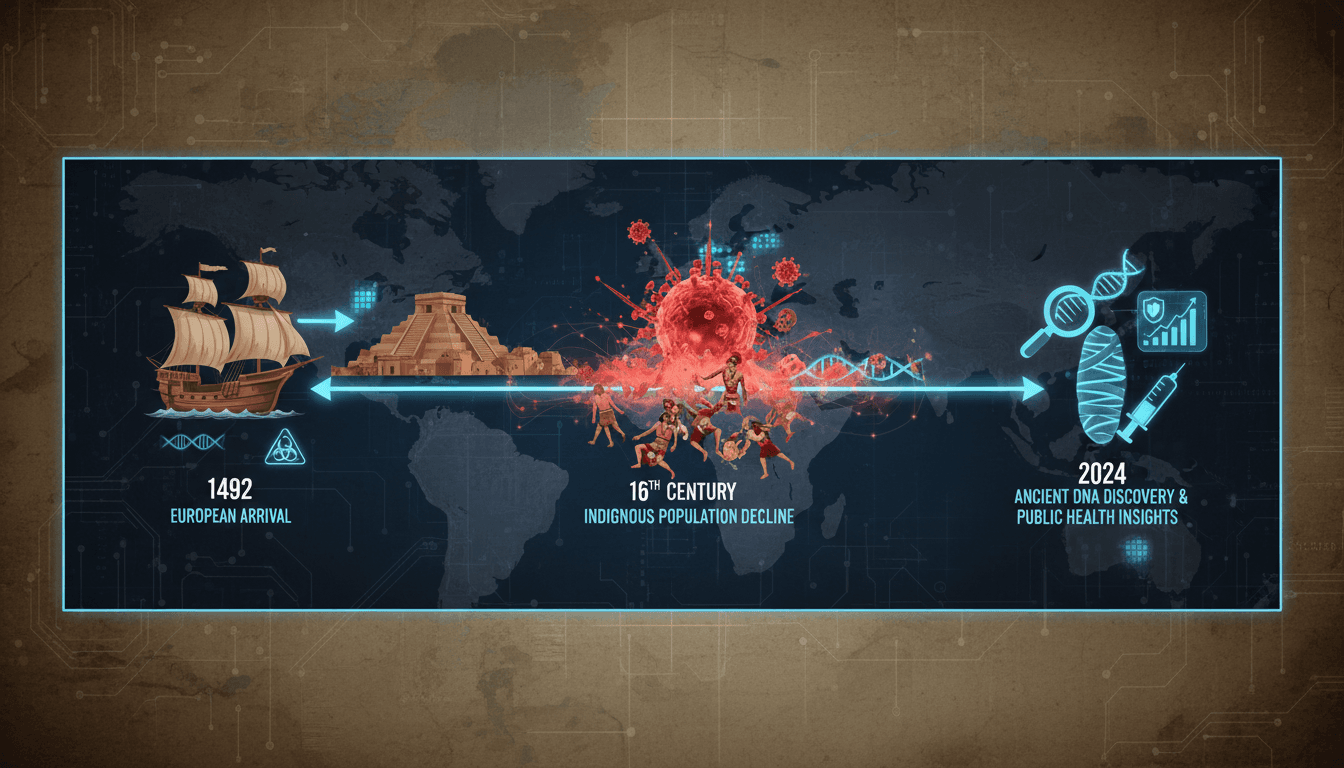
The recent discovery of ancient smallpox DNA in Chilean mummies underscores the profound impact of European colonization on Indigenous populations in the Americas. This research not only reveals historical truths but also emphasizes the importance of understanding infectious diseases in shaping public health policies today. Insights from this study could inform current vaccination strategies and enhance our preparedness for future pandemics. The catastrophic decline of Indigenous populations due to smallpox highlights the need for ongoing research into the historical effects of infectious diseases. By examining the past, we can better navigate the complexities of modern public health challenges.
What happened
Scientists have successfully recovered the oldest known smallpox DNA from 500-year-old mummies in Chile, providing compelling evidence that European colonizers introduced the virus to the Americas. This groundbreaking research reveals that smallpox had devastating effects on Indigenous populations following European contact. The findings suggest that the variola virus may have evolved significantly before it became a global epidemic.
The smallpox DNA was extracted from two naturally mummified individuals belonging to an Inca community, marking a significant milestone in the study of infectious diseases. The earliest documented smallpox outbreak in the Americas occurred in 1518, further emphasizing the timeline of the virus's introduction and its catastrophic consequences.
The Context
The discovery of smallpox DNA is the oldest ever found in the Americas, shedding light on the historical context of European colonization. The research indicates that smallpox caused an estimated 90% decline in Indigenous populations, leading to significant cultural upheaval and mortality rates. Understanding this historical impact is crucial for recognizing the long-term effects of European diseases on Indigenous cultures.
This study not only highlights the evolutionary history of the variola virus but also serves as a reminder of the importance of vaccination in preventing similar pandemics. The implications of this research extend beyond historical analysis, as it informs current public health strategies aimed at combating infectious diseases.
Takeaway
Looking ahead, further studies on the genetic evolution of smallpox post-introduction to the Americas are essential for understanding the virus's trajectory. Research into the long-term effects of European diseases on Indigenous cultures will also provide valuable insights into the resilience and adaptation of these communities.
The findings from this research may lead to a deeper understanding of how infectious diseases shape human history and the critical role of vaccination in preventing future outbreaks. As we reflect on the past, it becomes increasingly clear that lessons learned can guide our responses to contemporary public health challenges.
International news coverage curated for readers in the UAE and Gulf region.
"Emirates 24|7 world coverage presents global developments through a UAE-facing and Gulf-relevant editorial lens."
— A47 Editor
Smallpox DNA is recovered from Spanish conquest-era Chilean mummies
Researchers have recovered ancient smallpox DNA from the mummies of two individuals who lived during the early Spanish colonial period in northern Chile, providing direct molecular evidence of the disease brought by Spanish conquistadors. This discov...
Scientific research, space, environment, and health coverage.
"The New York Times is a globally recognized newspaper offering authoritative reporting with a center-left editorial stance."
— A47 Editor
‘This Is Very Strange’: Ancient Smallpox May Have Been Less Deadly
Recent research has uncovered smallpox viruses in the remains of individuals from Chile dating back approximately 500 years, suggesting that the virus may have evolved significantly before becoming a global threat. This finding provides insights into...
Scientific discoveries, health, technology, and natural phenomena.
"Live Science reports on scientific discoveries, health, technology, and natural phenomena with a popular science tone."
— A47 Editor
500-year-old Inca mummies prove that European colonists brought devastating smallpox to the Americas
Recent analysis of ancient DNA from 500-year-old Inca mummies in Chile has provided the first molecular evidence that European colonizers introduced smallpox to the Americas, leading to significant declines in Indigenous populations.
News in science and technology, with a focus on consumer and innovation stories.
"Popular Science simplifies complex scientific topics for general audiences and celebrates innovation."
— A47 Editor
Chilean mummies prove Europeans brought smallpox to the Americas
Recent analysis of 500-year-old DNA from Chilean mummies has revealed the oldest known traces of smallpox in the Americas, providing evidence that European colonizers introduced the disease to the continent. This finding is significant as it highligh...