
US and Iran to Begin Negotiations on Strait of Hormuz Security
What happened
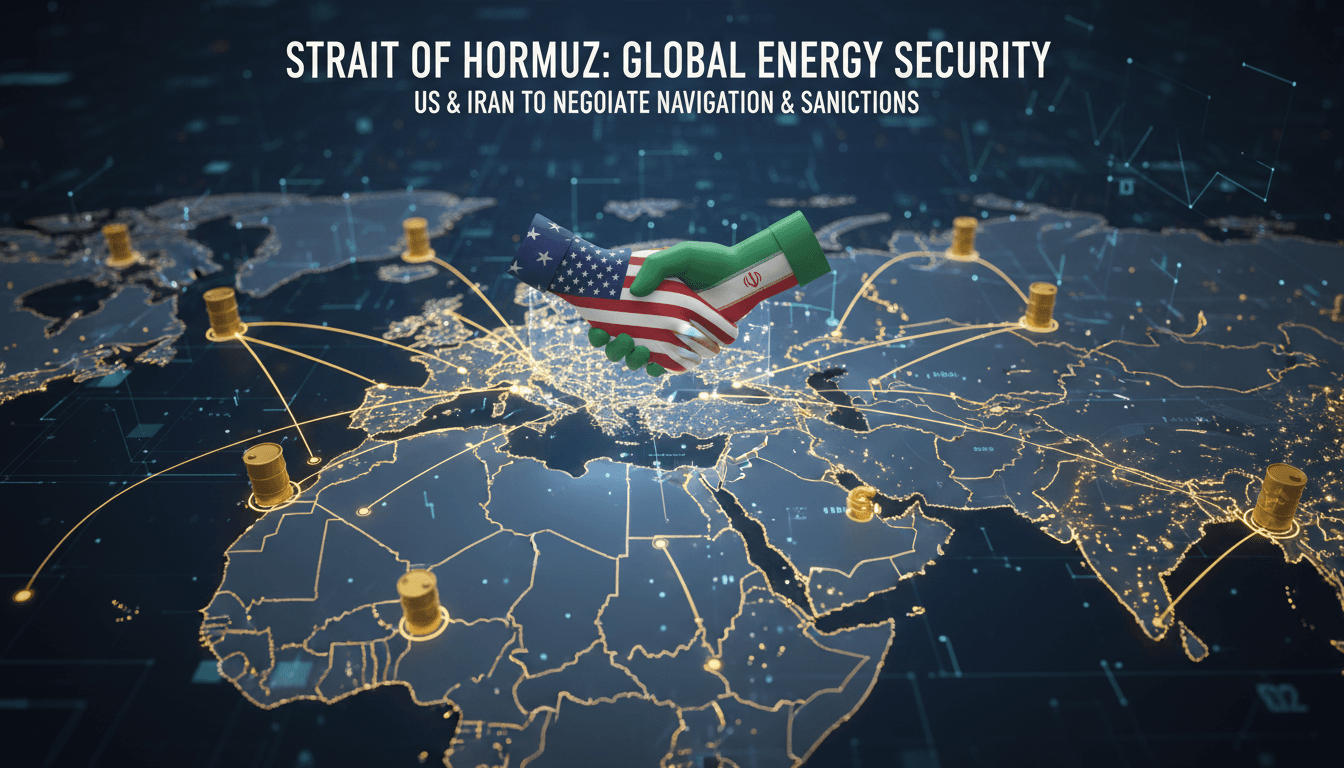
Negotiations between the United States and Iran are set to commence, focusing on securing navigation through the Strait of Hormuz and potentially lifting the U.S. blockade on Iranian ports. President Trump has expressed a willingness to suspend military action to facilitate a swift agreement. However, Iranian officials have denied engaging in direct negotiations with the U.S., claiming they are instead in talks with Oman.
The discussions aim to address escalating tensions in the region, which have been fueled by military actions and threats from both sides. The Strait of Hormuz remains a critical passage for global oil and gas shipments, making the outcome of these negotiations particularly significant.
The Context
The Strait of Hormuz is a strategic chokepoint for global energy supplies, with 20% of the world's oil and gas transiting through it. Recent military actions and threats have heightened tensions between the U.S. and Iran, prompting the need for dialogue to ensure maritime security. Iran's assertion that it is negotiating with Oman rather than the U.S. complicates the situation, indicating potential challenges in reaching a consensus.
The timing of these negotiations is crucial, as they come amid rising energy costs and concerns over Iran's nuclear ambitions. The U.S. aims to prevent Iran from acquiring nuclear weapons while addressing the economic implications of its sanctions.
Takeaway
The success of the upcoming negotiations will hinge on both parties' willingness to compromise and the influence of regional mediators. Observers should monitor developments closely, as any agreements could significantly impact global energy markets and regional stability. The reactions from other Middle Eastern countries involved in mediation efforts will also be critical in shaping the outcome of these discussions.
As the situation evolves, stakeholders should remain vigilant for potential agreements that could alter the geopolitical landscape in the Middle East.
Arabic-language coverage of Saudi, regional, and international affairs.
"Al Bilad offers mainstream Saudi newspaper coverage across domestic and broader Arab topics."
— A47 Editor
تشديد على وقف التصعيد الإقليمي.. مباحثات واشنطن وطهران تركز على هرمز
The upcoming negotiations between the United States and Iran, announced by President Donald Trump, are set to focus on securing navigation in the Strait of Hormuz and lifting the American blockade on Iranian ports. These discussions aim to reduce reg...
Arabic-language coverage of political affairs and current events.
"Okaz political coverage typically follows mainstream Saudi framing on national and regional affairs."
— A47 Editor
ترمب يؤكد وإيران تنفي.. جولة مفاوضات جديدة تركز على فتح هرمز ورفع الحصار
Negotiations between the United States and Iran are expected to commence today, focusing on resuming navigation through the Strait of Hormuz and lifting the U.S. blockade on Iranian ports, as announced by President Donald Trump. The discussions will ...
Pan-Arab news coverage spanning politics, business, sports, and regional affairs.
"Asharq Al-Awsat reflects a broad Arab editorial perspective with strong attention to regional geopolitics."
— A47 Editor
ترمب يعلن عن مفاوضات جديدة مع إيران... ولا موعد نهائياً للاتفاق
U.S. President Donald Trump announced that new negotiations with Iran will commence on Monday, following his decision to suspend military strikes contingent upon reaching a swift agreement.